I used to think that keeping a home pristine required a fleet of specialized cleaning gadgets and a rigid, military-grade schedule that left me feeling more like a drill sergeant than a human being. I’d spend my entire Saturday scrubbing baseboards, only to feel completely drained by Sunday night, staring at a mountain of laundry that felt like a personal failure. We’ve been sold this lie that learning how to keep your house tidy means achieving a sterile, showroom-ready perfection that is frankly unsustainable for anyone with a real life.
I’m not here to sell you on a lifestyle of constant scrubbing or expensive organizational bins that just end up hiding your clutter. Instead, I want to share how we can use a little bit of psychology to build intentional habits that actually stick. My goal is to show you how to create a living space that supports your mental clarity rather than draining your energy. We are going to focus on sustainable systems that work with your natural rhythm, ensuring your home becomes a sanctuary for your purpose rather than another item on your endless to-do list.
Table of Contents
- Mastering Decluttering Techniques for Beginners to Reclaim Focus
- Minimalist Home Organization Tips for a Purposeful Life
- The Psychology of Maintenance: 5 Micro-Habits to Protect Your Peace
- Finding Your Rhythm: The Heart of a Tidy Home
- ## The Psychology of Space
- Finding Your Rhythm in the Routine
- Frequently Asked Questions
Mastering Decluttering Techniques for Beginners to Reclaim Focus

When I first started my journey into productivity, I realized that my physical environment was a direct reflection of my mental state. If my desk was buried under old receipts and half-empty coffee mugs, my brain felt just as scattered. To combat this, I recommend starting with simple decluttering techniques for beginners like the “five-minute sweep.” Instead of looking at a mountain of chaos, pick one drawer or one corner. This small win triggers a dopamine hit that makes the next task feel much more manageable.
Once you’ve cleared the immediate surface tension, it’s time to look at how you actually live. I’m a big believer in intentional curation rather than just hiding things in bins. When you’re searching for effective storage solutions, don’t just buy pretty baskets; ask yourself if that item actually serves your current season of life. If you haven’t touched it in a year, it’s likely just taking up valuable mental real estate. By removing the excess, you aren’t just cleaning a room—you are actively reclaiming the cognitive space needed to focus on what truly matters.
Minimalist Home Organization Tips for a Purposeful Life
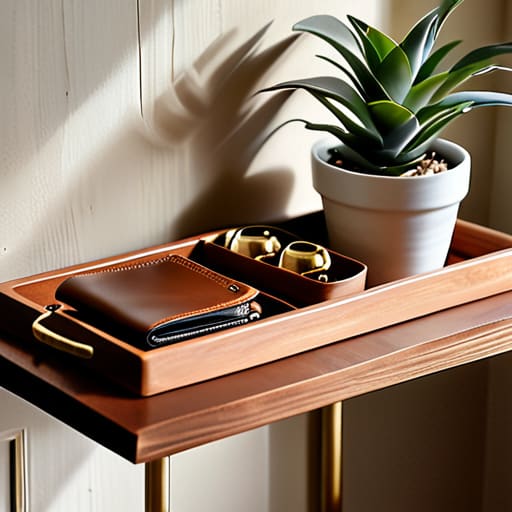
When we talk about minimalism, I think people often mistake it for living in a cold, empty white box. But through my psychology lens, I see minimalism as a tool for mental clarity. It’s about removing the physical “noise” that competes for your attention. To start, I recommend looking for effective storage solutions that prioritize accessibility over mere aesthetics. If you have to dig through three bins just to find your keys, that item isn’t serving you; it’s creating a micro-stressor. Try to give every essential object a “home” that is easy to reach, which significantly reduces the cognitive load of searching for things.
Another way to weave this into your lifestyle is by focusing on the intentionality of ownership. Before bringing something new into your sanctuary, ask yourself if it actually aligns with your current season of life. This mindset is one of the most powerful minimalist home organization tips because it tackles the problem at the source rather than just managing the symptoms. By curating your belongings to reflect your true values, you aren’t just organizing a room—you’re creating a space that actively supports your purpose.
The Psychology of Maintenance: 5 Micro-Habits to Protect Your Peace
- Embrace the “One-Touch Rule” to stop the accumulation of mental clutter; if a task takes less than two minutes—like hanging up your coat or putting a dish in the dishwasher—do it immediately so it doesn’t become a looming mental weight.
- Implement a “Reset Ritual” at the end of every evening, much like I do with my bullet journal, where you spend just ten minutes returning your high-traffic areas to their baseline state so you wake up to clarity rather than chaos.
- Designate “Home Bases” for your most frequently used items to reduce decision fatigue; when every essential has a specific, intuitive landing spot, you stop wasting precious cognitive energy hunting for your keys or remote.
- Practice “Intentional Transitioning” by using the small gaps in your day—like waiting for your coffee to brew or a timer to go off—to tackle one tiny tidying task, turning idle moments into productive micro-wins.
- Audit your belongings through the lens of your “Why”; instead of just cleaning for the sake of cleanliness, ask yourself if an object serves your current purpose or if it’s simply occupying space that could be used for something more meaningful.
Finding Your Rhythm: The Heart of a Tidy Home
Stop chasing perfection and start prioritizing intention; a tidy home isn’t about a showroom look, but about creating a sanctuary that reduces your cognitive load.
Leverage the psychology of small wins by implementing micro-habits—like the five-minute reset—to prevent clutter from ever reaching a breaking point.
View organization as a tool for mental clarity rather than a chore, ensuring every item you keep serves a functional purpose or brings genuine peace to your space.
## The Psychology of Space
“A tidy home isn’t about achieving a Pinterest-perfect showroom; it’s about reducing the visual noise that competes for your mental energy, allowing you to reclaim the headspace needed to focus on what truly matters.”
Ella Thompson
Finding Your Rhythm in the Routine
As we wrap up this journey toward a more intentional home, remember that keeping a tidy space isn’t about achieving a sterile, museum-like perfection. It’s about the practical application of what we’ve discussed: using beginner-friendly decluttering to clear your mental fog and adopting minimalist organization to ensure your environment actually serves your goals. When you stop fighting against your belongings and start creating systems that work with your natural psychology, you’ll find that tidying becomes less of a chore and more of a sustainable rhythm. By focusing on these small, intentional habits, you aren’t just cleaning a room; you are protecting your mental energy for the things that truly matter.
At the end of the day, your home should be a sanctuary that fuels your purpose, not a source of constant low-grade anxiety. I often turn to my vintage hourglasses when I feel overwhelmed by a messy desk, reminding myself that progress happens in small, measured increments. Don’t let the pressure to be “perfectly organized” paralyze you. Instead, embrace the beauty of a space that is lived-in yet intentional. You have the power to transform your surroundings into a launchpad for your best self. Trust the process, be kind to yourself on the messy days, and remember that true productivity starts with a clear space.
Frequently Asked Questions
How do I stop the cycle of cleaning the same mess every single day without feeling completely burnt out?
The secret isn’t a better vacuum; it’s changing your psychological relationship with “clean.” We burn out because we treat cleaning as a reactive battle against chaos rather than a proactive ritual. Instead of marathon cleaning sessions, I swear by “micro-habits”—five-minute resets that prevent the pile-up. When you stop viewing tidying as a chore to be conquered and start seeing it as a way to protect your mental clarity, the cycle finally breaks.
I struggle with "decision fatigue" when decluttering; how can I decide what to keep without spending hours agonizing over every item?
I completely hear you—decision fatigue is the ultimate productivity killer. When we’re staring at a single trinket for ten minutes, we’re draining the mental energy we need for the big stuff. I love using a “three-second rule” during my decluttering sessions: if you can’t immediately identify a practical use or a deep emotional connection, it goes. Don’t overthink it; trust your gut and keep moving. Your peace of mind is worth more than a “maybe” item.
Are there any psychological tricks to help me stay consistent with these habits when my motivation inevitably dips?
We’ve all been there—that moment when the initial excitement of a new routine evaporates. When my motivation dips, I lean on “habit stacking.” Instead of viewing cleaning as a daunting task, I anchor it to something I already do, like listening to a favorite podcast while folding laundry. I also use my vintage hourglasses to set micro-goals; telling myself I’ll only tidy for ten minutes lowers the psychological barrier to starting. Focus on momentum, not perfection.
