I was sitting at my desk last Tuesday, staring at a mountain of half-finished planners and old notebooks, feeling that familiar, heavy tightness in my chest. I reached for one of my vintage hourglasses just to catch my breath, but even the rhythmic trickle of sand couldn’t drown out the mental noise coming from the piles of “stuff” surrounding me. We’ve been sold this lie that tidying is a weekend project or a matter of buying the right aesthetic bins, but let’s be real: if you’re looking for a quick fix through shopping, you’re missing the point of how to reduce clutter for good. It isn’t about the containers; it’s about the psychological weight of the things we refuse to let go of.
I’m not here to sell you a lifestyle makeover or a subscription to a luxury organizing service. Instead, I want to share the actual, messy, and highly effective strategies I’ve developed through my background in psychology to help you reclaim your environment. We are going to dive into the root causes of your accumulation and build a sustainable system that works with your brain, not against it. My promise to you is simple: no fluff, just actionable steps to help you find your rhythm and finally clear the path for what truly matters.
Table of Contents
- Cultivating Minimalist Lifestyle Habits for Lasting Peace
- Decluttering Techniques for Beginners to Reclaim Focus
- The Psychology of Sustained Space: 5 Strategies to Break the Cycle
- The Core Shifts: Making Clutter Reduction Stick
- The Psychology of Space
- Reclaiming Your Space and Your Mind
- Frequently Asked Questions
Cultivating Minimalist Lifestyle Habits for Lasting Peace
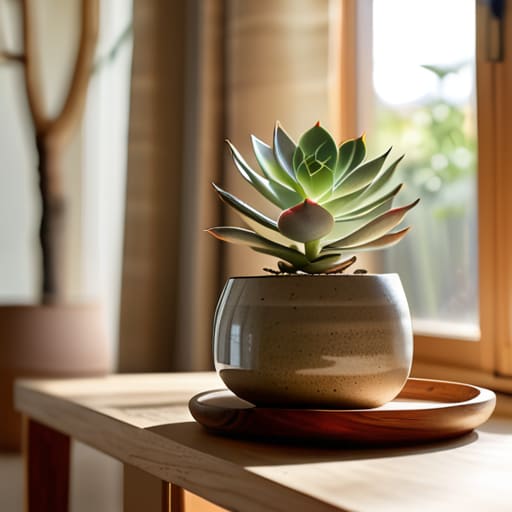
Once you’ve cleared the initial physical piles, the real work begins: moving from a one-time purge to a sustainable way of living. I’ve realized through my psychology studies that we often treat decluttering like a spring cleaning event, but lasting peace comes from decluttering mindset shifts rather than a single weekend of heavy lifting. It’s about changing your relationship with “stuff.” Instead of asking if you can fit something into your home, start asking if it actually serves your current rhythm. When we stop viewing every object as a potential necessity, we stop inviting chaos back through the front door.
To keep the momentum, I highly recommend building small, repeatable minimalist lifestyle habits into your daily flow. Think of it as a “one-in, one-out” rule or a five-minute evening reset to clear your surfaces. These tiny rituals act as a buffer, preventing clutter regrowth before it can ever take root. It’s not about living in a sterile, empty white box; it’s about creating a curated environment that supports your mental clarity rather than draining your energy.
Decluttering Techniques for Beginners to Reclaim Focus

If you’re feeling overwhelmed, the biggest mistake you can make is trying to tackle the entire house in a single weekend. That’s a recipe for burnout, not breakthroughs. Instead, I always recommend starting with decluttering room by room, focusing on one small, contained space like a junk drawer or a single bookshelf. When we limit our scope, we prevent that paralyzing “where do I even start?” sensation. I used to try and overhaul my entire apartment at once, only to end up sitting on the floor surrounded by piles of stuff, feeling more stressed than when I began.
As you move through these spaces, try implementing a few specific decluttering techniques for beginners, such as the “Three Box Method”: one for keep, one for donate, and one for trash. This creates a physical boundary for your decisions. However, the real magic happens when you pair these actions with intentional decision-making. Don’t just ask if an item is useful; ask if it actually serves the person you are becoming today. This shift turns a chore into a meaningful act of self-care.
The Psychology of Sustained Space: 5 Strategies to Break the Cycle
- Stop the “Just in Case” Trap: We often cling to objects because of a scarcity mindset—the fear that we won’t be able to replace them later. Next time you hesitate, ask yourself: “If I needed this in six months, would it be worth the mental tax of storing it today?” Most of the time, the answer is a resounding no.
- Implement the “One In, One Out” Rule: To prevent your space from slowly creeping back into chaos, create a strict boundary. For every new item that enters your home—be it a new sweater or a kitchen gadget—one existing item must be donated or recycled. This turns decluttering from a one-time event into a continuous, manageable rhythm.
- Curate Your Environment, Don’t Just Clean It: Instead of viewing decluttering as a chore, approach it like a curator in a museum. You aren’t just “getting rid of stuff”; you are intentionally selecting the pieces that serve your current life and values. If an object doesn’t align with the person you are becoming, it’s okay to let it go.
- Tackle the “Micro-Clutter” First: Big projects can feel paralyzing, which triggers our procrastination habits. Start small—your junk drawer, your bedside table, or even your digital desktop. These tiny wins release a hit of dopamine that builds the psychological momentum you need to tackle the bigger, more intimidating piles.
- Audit Your Emotional Attachments: We often keep clutter because we’ve tied our identity or memories to physical objects. I’ve learned that a photo of a sentimental heirloom can hold the memory just as well as the item itself. If an object is weighing you down emotionally rather than lifting you up, it’s time to honor the memory and release the physical burden.
The Core Shifts: Making Clutter Reduction Stick
Stop viewing decluttering as a one-time cleaning marathon and start seeing it as a psychological boundary; you aren’t just throwing away old papers, you’re deciding what deserves space in your mental landscape.
Focus on the “why” behind your accumulation habits—whether it’s decision fatigue or emotional attachment—because once you understand the trigger, you can stop the cycle of mindless collecting.
Prioritize quality of space over quantity of stuff by adopting a “one-in, one-out” rule, ensuring your environment remains a sanctuary for focus rather than a warehouse for things you no longer use.
The Psychology of Space
“We often treat decluttering like a chore to be finished, but it’s actually a psychological reset; you aren’t just clearing out a drawer, you’re reclaiming the mental bandwidth required to focus on the things that actually move the needle in your life.”
Ella Thompson
Reclaiming Your Space and Your Mind
As we wrap up this journey, I want you to remember that decluttering isn’t a one-time event or a grueling weekend marathon; it is a continuous practice of curation. We’ve talked about everything from implementing beginner-friendly sorting techniques to building those deep-seated minimalist habits that keep the chaos at bay. By shifting your focus from simply “cleaning up” to actively making room for what truly matters, you stop fighting against your environment and start working with it. Remember, the goal isn’t to live in a sterile, empty box, but to ensure that every item in your physical space serves a purpose or brings you genuine joy. When you manage your belongings with intention, you are actually managing your mental energy.
I often find myself staring at one of my vintage hourglasses when I feel overwhelmed, watching the sand slip away and reminding myself that our time is our most precious non-renewable resource. Don’t let yours be swallowed up by the constant maintenance of things you don’t even need. You deserve a home that acts as a sanctuary, not a source of stress. As you step away from your screen and toward your first decluttering task, do so with grace and patience. You are not just tidying a room; you are reclaiming your capacity to focus and creating the mental bandwidth necessary to pursue your wildest dreams. You’ve got this.
Frequently Asked Questions
How do I deal with the emotional attachment to sentimental items that keep me from letting go?
I completely hear you—this is where the psychology of productivity gets messy. We often mistake the object for the memory itself, fearing that letting go of a trinket means losing the moment it represents. Instead of trying to force a “purge,” try digitizing the sentiment. Take a high-quality photo of that heirloom and write down the story behind it in your journal. You aren’t discarding the memory; you’re simply freeing the physical space it’s currently crowding.
What should I do when I feel overwhelmed by the sheer volume of stuff I need to sort through?
When that wave of overwhelm hits, stop looking at the mountain and start looking at your feet. I used to stare at my overflowing closets and freeze, but I’ve learned that the brain panics when it sees “everything” at once. Grab one of my vintage hourglasses, set it for just ten minutes, and pick one tiny, contained area—like a single junk drawer. Once the sand runs out, you’re allowed to stop. Small wins build the momentum you need to keep going.
Once I’ve decluttered, how can I actually prevent the clutter from creeping back into my life?
The real secret isn’t a cleaning schedule; it’s about closing the loop on your consumption. I always tell my clients to implement a “one-in, one-out” rule—if a new sweater comes in, an old one must go. More importantly, pause before you buy. Ask yourself, “Does this serve my current rhythm?” When we stop treating every impulse purchase as a necessity, we stop feeding the cycle of excess that creates the noise in the first place.
