I remember sitting on the floor of my first studio apartment in San Francisco, surrounded by half-unpacked boxes and a crushing sense of mental fog. I had all these “aesthetic” acrylic bins I’d bought online, thinking they were the magic cure, but they just became expensive, transparent prisons for my clutter. I realized then that small space organization isn’t about buying more containers to hide the chaos; it’s about the psychological weight of every object we choose to keep. If your environment feels like it’s closing in on you, it’s not because your square footage is too low—it’s because your systems are working against your brain rather than with it.
In this guide, I’m stripping away the Pinterest-perfect illusions and getting down to the actual science of living well in tight quarters. I won’t waste your time with “life hacks” that require a degree in engineering or a massive budget. Instead, I’m sharing the intentional strategies I’ve developed through years of studying human behavior and my own trial and error. We are going to focus on how to curate a home that actually supports your focus, helping you reclaim your space so you can finally breathe easy and get back to what truly matters.
Table of Contents
- Decluttering Tiny Apartments to Reclaim Your Mental Clarity
- Minimalist Living Tips for a Purposeful Home
- Mastering the Micro-Environment: 5 Strategies to Reclaim Your Square Footage
- Finding Your Flow: My Top Three Lessons for Small-Space Living
- The Psychology of Space
- Finding Your Rhythm in a Compact World
- Frequently Asked Questions
Decluttering Tiny Apartments to Reclaim Your Mental Clarity
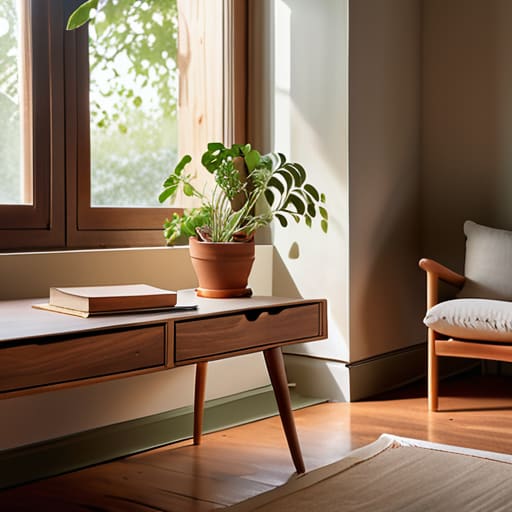
When I first moved into my studio in the city, I quickly realized that my physical surroundings were acting like a direct mirror to my mental state. Every time I looked at a stack of mail or a pile of clothes on “the chair,” my brain felt a subtle, nagging spike of cortisol. We often think of tidying as a chore, but when you’re decluttering tiny apartments, you’re actually performing a form of cognitive maintenance. By removing the excess, you aren’t just cleaning; you are actively lowering the sensory input that competes for your attention.
To truly reclaim that headspace, I’ve learned to look beyond just “putting things away” and instead focus on intentional curation. This is where vertical storage solutions become your best friend. Instead of letting items sprawl across your limited floor space—which creates a sense of visual chaos—start looking up. Utilizing wall-mounted shelves or tall bookcases allows you to clear your eye level, instantly making the room feel more expansive. When your surfaces are clear, your mind finally has the room it needs to breathe and focus on what actually matters.
Minimalist Living Tips for a Purposeful Home
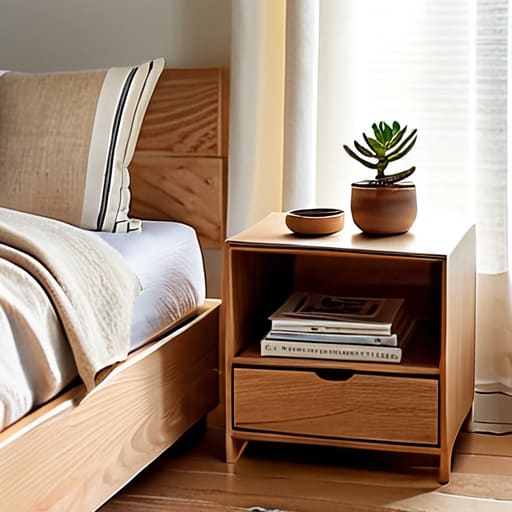
When we talk about minimalism, I think people often mistakenly picture a cold, empty room. But through my psychology lens, I see minimalism as a way to reduce the cognitive load of your environment. When every object in your sightline has a specific purpose, your brain can finally stop processing visual noise and start focusing on the task at hand. This is where multifunctional furniture ideas become your best friend; think of an ottoman that doubles as a coffee table and a storage bin. It’s not just about saving floor space; it’s about creating a home that serves your lifestyle rather than demanding your constant maintenance.
To truly master this, you have to look beyond the obvious. I’m a huge advocate for utilizing every inch of your home that isn’t actively being lived in. I often suggest leaning into vertical storage solutions, like floating shelves that draw the eye upward and keep your surfaces clear. If you feel like you’re constantly tripping over your belongings, try implementing some under-bed storage hacks to tuck away seasonal items. By curating only what brings you value, you transform your apartment from a cramped storage unit into a purposeful sanctuary.
Mastering the Micro-Environment: 5 Strategies to Reclaim Your Square Footage
- Think Vertically, Not Just Horizontally: When your floor space is at a premium, your walls are your best friends. I always tell my clients to look up; installing floating shelves or using over-the-door organizers isn’t just about storage—it’s about lifting the visual weight off your floor so your brain doesn’t feel constantly crowded.
- The “One-In, One-Out” Psychological Contract: To prevent the inevitable creep of clutter, make a pact with yourself. If you bring home a new cozy sweater, an old one has to go. This creates a natural equilibrium in your space and forces you to be intentional about what actually earns a spot in your sanctuary.
- Invest in Multi-Functional Anchors: In a tiny apartment, every piece of furniture needs to earn its keep. I’m a huge advocate for ottomans with hidden storage or bed frames with built-in drawers. If a piece of furniture only does one thing, it’s taking up valuable mental and physical real estate.
- Curate Your “Active” Zones: We often make the mistake of trying to organize everything at once, which leads to decision fatigue. Instead, focus on your high-traffic zones—like your desk or your bedside table. Keeping these specific areas hyper-organized ensures that your most productive rituals aren’t interrupted by a sea of random items.
- Use Transparent Boundaries: When you’re working with small bins or containers, go clear. Being able to see exactly what’s inside without digging through a lid prevents that frantic “where is my…?” moment that spikes cortisol and breaks your flow. It turns organization into a visual roadmap rather than a guessing game.
Finding Your Flow: My Top Three Lessons for Small-Space Living
Stop treating your square footage like a storage unit; instead, curate your belongings so that every item in your view serves a purpose or brings you genuine joy.
Leverage vertical space and multi-functional furniture to reduce visual noise, because a clear floor plan directly translates to a clearer, calmer mind.
Establish a “one-in, one-out” rhythm to prevent clutter creep, ensuring your sanctuary remains a place of focus rather than a source of subconscious stress.
The Psychology of Space
“When your physical surroundings feel cramped and chaotic, your brain stays in a constant state of low-level survival mode; organizing a small space isn’t just about finding a home for your belongings, it’s about creating the mental breathing room you need to actually live your life.”
Ella Thompson
Finding Your Rhythm in a Compact World
As we’ve explored, organizing a small space isn’t just about finding the perfect stackable bins or maximizing every square inch of your studio apartment; it’s about intentionality. By decluttering with purpose and embracing a minimalist mindset, you aren’t just tidying up a room—you are actively reducing the cognitive load that comes with physical chaos. We’ve looked at how clearing out the excess can reclaim your mental clarity and how choosing items that serve a true purpose allows your home to function as a sanctuary rather than a source of stress. Remember, the goal isn’t to live in a sterile, empty box, but to ensure that your environment supports your energy rather than draining it.
I often find myself staring at my vintage hourglasses when I feel overwhelmed by my own to-do lists, reminding myself that time and space are our most precious resources. Your home should be the foundation that allows you to pursue your passions, not a hurdle you have to jump over every morning. Don’t feel pressured to transform your entire life overnight; instead, focus on small, sustainable shifts that honor your unique rhythm. When you curate your space with care, you aren’t just organizing a home—you are designing a life that leaves plenty of room for what truly matters.
Frequently Asked Questions
How can I maintain these organizational habits without feeling like my home has become a sterile, joyless museum?
This is the question I get most often! We often mistake minimalism for emptiness, but true organization should serve your soul, not just your floor plan. My rule of thumb? Curate, don’t just clear. Keep the items that spark genuine connection—that worn-in book or the ceramic mug from your favorite trip. When we organize around our values rather than just following aesthetic trends, our homes feel intentional and lived-in, rather than sterile and cold.
I struggle with "decision fatigue" when decluttering; are there any psychological tricks to help me let go of sentimental items more easily?
I completely hear you—decision fatigue is a real productivity killer. When you’re staring at a sentimental trinket, your brain is working overtime to process memory and loss simultaneously. Try the “Container Method”: decide how much space a category gets first, rather than deciding on every single item. Also, take photos of those keepsakes. It allows you to preserve the memory without the physical clutter, tricking your brain into feeling like you haven’t truly “lost” the moment.
When my space is already tiny, how do I decide between investing in multi-functional furniture versus just buying more storage bins?
Think of it this way: storage bins are often just “organized chaos”—they hide the clutter, but they don’t actually create space. If you’re constantly playing Tetris with plastic tubs, you’re adding mental friction to your day. I always advocate for multi-functional furniture first. A storage ottoman or a lift-top desk solves two problems at once, reducing visual noise. Invest in pieces that work harder so your mind doesn’t have to.
