I remember my first studio apartment in the city—a cramped, fourth-floor walk-up where I felt like my walls were slowly closing in on me every single day. I used to stare at my tiny desk, surrounded by stacks of books and half-finished planners, feeling completely suffocated by the physical clutter. I spent a fortune on “space-saving” gadgets that promised to solve everything, but all they did was add more visual noise to an already chaotic environment. I quickly realized that most of the advice out there on how to make a small room look bigger is just a way to sell you more furniture you don’t actually need.
I’m not here to pitch you a shopping list of expensive minimalist decor or tell you to throw away everything you own. Instead, I want to share the psychological shifts and practical spatial strategies I’ve learned through years of studying how our environments impact our focus. We are going to look at how to curate your surroundings to maximize flow and light, ensuring your space feels expansive rather than restrictive. My goal is to help you reclaim your sanctuary so you can finally breathe easy in the space you call home.
Table of Contents
- Using Mirrors to Expand Space and Mental Clarity
- Light Color Palettes for Small Rooms and Calm Focus
- Curating Your Sanctuary: 5 Strategic Ways to Reclaim Your Space
- Designing for Focus: My Top Three Takeaways
- ## The Psychology of Space
- Designing for Flow: Making Your Space Work for You
- Frequently Asked Questions
Using Mirrors to Expand Space and Mental Clarity
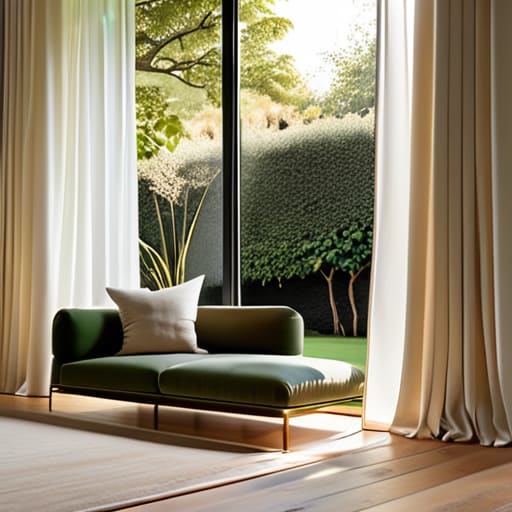
I’ve always found that our physical environment acts as a mirror for our internal state. When I’m feeling scattered, a cramped, dark room only amplifies that mental noise. This is where using mirrors to expand space becomes more than just an interior design trick; it’s a psychological tool for clarity. By strategically placing a large, floor-length mirror opposite a window, you aren’t just adding depth—you are inviting the outside world in. This simple act of doubling your visual field tricks the brain into perceiving a sense of openness that physically isn’t there, effectively lowering those subconscious feelings of confinement.
When I’m consulting with clients on maximizing small apartment space, I often suggest treating mirrors as “virtual windows.” Instead of cluttering a wall with tiny, mismatched frames that create visual friction, try a single, oversized piece. This minimizes the “visual noise” that often leads to decision fatigue. When you use reflective surfaces to bounce natural light into the darker corners of a room, you create a brighter, more rhythmic flow of energy. It’s about creating a space that breathes, allowing your mind to do the same.
Light Color Palettes for Small Rooms and Calm Focus
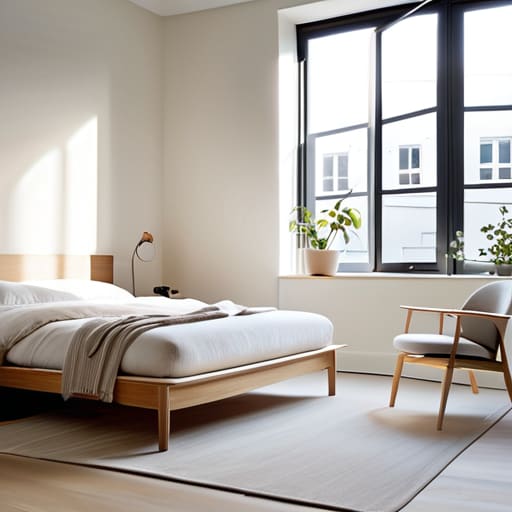
When I was studying psychology at Berkeley, I became fascinated by how our physical environment acts as a silent architect of our mental state. In a cramped room, heavy or dark colors can feel like a physical weight on your shoulders, triggering a subtle sense of claustrophobia that kills productivity. This is why I always advocate for light color palettes for small rooms; soft whites, pale blues, or gentle creams don’t just trick the eye into seeing more square footage, they actually lower our cortisol levels. By choosing colors that reflect light rather than absorbing it, you create an airy atmosphere that allows your mind to breathe.
Think of your walls as a canvas for clarity. When you’re working with limited square footage, every hue counts toward your overall focus. Instead of opting for bold, distracting patterns, I suggest leaning into minimalist aesthetics that prioritize soothing tones. This isn’t just about aesthetics—it’s one of the most effective interior design tricks for tiny rooms to prevent sensory overload. When your surroundings feel expansive and bright, you’ll find it much easier to transition from a state of chaos into a flow of deep, uninterrupted work.
Curating Your Sanctuary: 5 Strategic Ways to Reclaim Your Space
- Embrace the Power of Verticality: When floor space is at a premium, stop looking down and start looking up. I’ve found that installing floating shelves or tall, slender bookcases draws the eye toward the ceiling, creating an illusion of height that makes a cramped corner feel much more airy.
- Choose Furniture with “Legs”: It sounds simple, but bulky, skirted furniture acts like a visual roadblock that swallows up square footage. Opt for pieces with tapered legs; being able to see the floor extending underneath your sofa or desk tricks your brain into perceiving much more open territory.
- Declutter with Intentionality: My psychology background tells me that physical clutter is just mental noise in disguise. Instead of just “tidying up,” perform a ruthless audit of your belongings—if an object doesn’t serve a purpose or bring you genuine joy, it’s just stealing the breath from your room.
- Master the Art of Multi-Functional Pieces: In a small space, every item needs to earn its keep. I always recommend looking for a stylish ottoman with hidden storage or a desk that can double as a vanity; when your furniture works twice as hard, your room doesn’t have to feel twice as crowded.
- Let the Windows Breathe: Don’t hide your natural light behind heavy, dark drapes. Use sheer, lightweight fabrics that allow sunlight to flood the room; that extra brightness is the quickest way to dissolve the “closed-in” feeling that often plagues smaller living areas.
Designing for Focus: My Top Three Takeaways
Treat your physical environment as an extension of your mental workspace; when you clear the visual clutter of a cramped room, you’re actually clearing the cognitive load that prevents deep work.
Use light and reflection strategically to manipulate perception, turning a restrictive, dim corner into an airy sanctuary that invites calm rather than anxiety.
Remember that intentionality beats square footage every single time—it’s not about how much room you have, but how effectively you curate the space to serve your most important daily rhythms.
## The Psychology of Space
“Your physical environment is an extension of your mental landscape; when we stop fighting against cramped quarters and start intentionally curating our surroundings, we create the breathing room necessary for our best ideas to flourish.”
Ella Thompson
Designing for Flow: Making Your Space Work for You
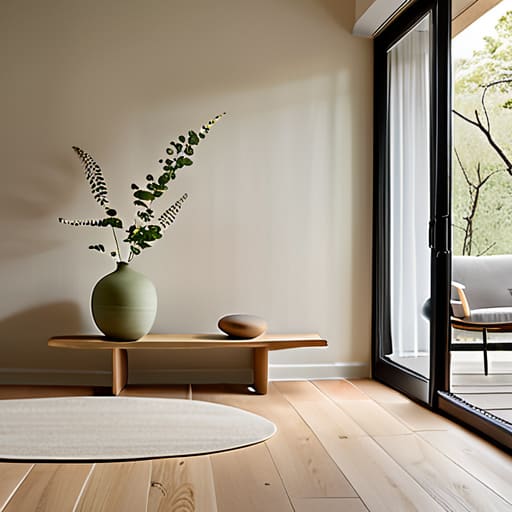
As we’ve explored, transforming a cramped room into an expansive sanctuary isn’t just about moving furniture around; it’s about a strategic approach to your environment. By strategically placing mirrors to bounce light, choosing a palette of soft, airy colors, and intentionally curating your belongings, you are effectively reducing the cognitive load that physical clutter imposes on your brain. We’ve looked at how light and reflection can trick the eye, but more importantly, we’ve seen how these shifts create a sense of visual breathing room. Remember, every intentional choice you make—from the hue of your walls to the way you manage your surfaces—is a step toward optimizing your mental landscape.
At the end of the day, your living space is more than just a collection of square footage; it is the backdrop to your life and the foundation of your daily rhythm. When your surroundings feel tight and overwhelming, your productivity and peace of mind often follow suit. I want you to view this reorganization not as a chore, but as an act of self-care and intentionality. By reclaiming your space, you are ultimately reclaiming your focus. Go ahead, clear that one corner, hang that mirror, and watch how much more room you have to simply breathe and be.
Frequently Asked Questions
I’ve tried light colors, but how do I prevent a small room from feeling cold or uninspiring?
I totally hear you. There’s a fine line between a room feeling “airy” and it feeling like a sterile hospital ward. To keep that cozy, productive energy alive, I love layering in texture. Think chunky knit throws, a jute rug, or even some wooden accents. These elements add “visual warmth” without adding clutter. It’s about creating sensory richness; when your environment feels tactile and inviting, your brain can actually relax into deep work.
Does the way I arrange my furniture actually impact my ability to focus, or is it just about the floor space?
It’s absolutely about more than just floor space. Think of your furniture as the physical architecture of your attention. When we clutter our visual field or block natural pathways, our brains subconsciously struggle to filter out “noise,” leading to mental fatigue. I always tell my clients: if your desk faces a chaotic hallway, your mind will feel just as scattered. Arrange your pieces to create “zones” of intention; a purposeful layout directs your energy exactly where it needs to go.
How can I keep my workspace organized without adding more bulky storage pieces that make the room feel even tighter?
I’ve been there—staring at a desk buried in clutter, feeling like the walls are closing in. When space is tight, bulky shelving is your enemy; it eats up precious visual real estate. Instead, think vertically. I love using wall-mounted organizers or floating shelves to get things off my desk and into the “air.” It keeps your essentials within reach but clears the physical noise, allowing your mind (and your room) to finally breathe.
