I remember standing in my kitchen three years ago, staring blankly into a fridge full of wilted spinach and half-empty jars of pesto, feeling that familiar, crushing weight of decision fatigue. I had spent my entire Saturday “organizing,” yet I still had no idea how to meal plan for a week that wouldn’t leave me ordering takeout by Tuesday night. We’ve been sold this lie that meal prepping requires five hours of intense labor and twenty identical Tupperware containers of steamed broccoli, but that’s not productivity—that’s just performative busyness.
I’m not here to give you a rigid, soul-sucking schedule that falls apart the moment life gets messy. Instead, I want to show you how to approach meal planning as a way to reclaim your mental bandwidth and reduce daily friction. We are going to focus on sustainable systems rather than perfect recipes, using a little bit of psychology to make your kitchen work for you, not against you. My goal is to help you master how to meal plan in a way that actually serves your life, leaving you with more energy for the things that truly matter.
Table of Contents
- Meal Prep for Beginners Building Habits That Last
- Healthy Weekly Menu Ideas to Fuel Your Purpose
- Small Shifts for Big Mental Clarity: My Top 5 Meal Planning Hacks
- The Core Philosophy: Making Meal Planning Work for You
- The Psychology of the Prepared Plate
- Finding Your Rhythm in the Kitchen
- Frequently Asked Questions
Meal Prep for Beginners Building Habits That Last
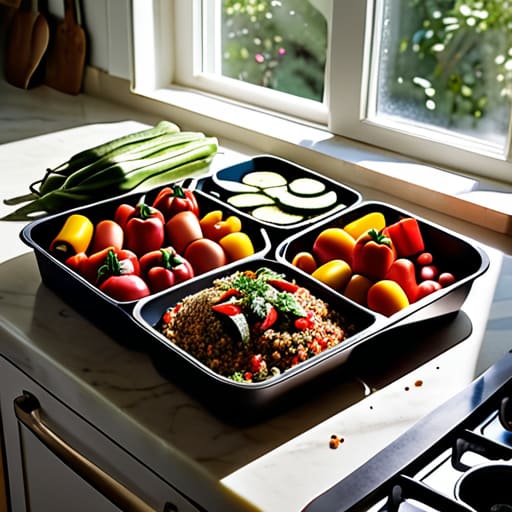
When I first started looking into the psychology of habit formation, I realized that most people fail at meal prepping because they try to do too much too soon. You don’t need to spend your entire Sunday in a flour-dusted kitchen transforming into a professional chef. Instead, I recommend starting with simple batch cooking strategies—think of it as creating “building blocks” rather than finished meals. If you roast a large tray of seasoned vegetables and cook a big pot of quinoa on Sunday, you’ve already won half the battle. You aren’t just making food; you’re reducing the number of decisions your brain has to make on a stressful Tuesday evening.
The secret to making this stick is to lower the barrier to entry. I always tell my clients that consistency beats perfection every single time. This means your grocery list organization needs to be foolproof; if you’re wandering the aisles aimlessly, you’re already losing cognitive energy. Try grouping your list by store section to minimize time spent in the aisles. Start small—maybe just prep your breakfasts or lunches for three days—and let that small win build the momentum you need to tackle a full week later on.
Healthy Weekly Menu Ideas to Fuel Your Purpose
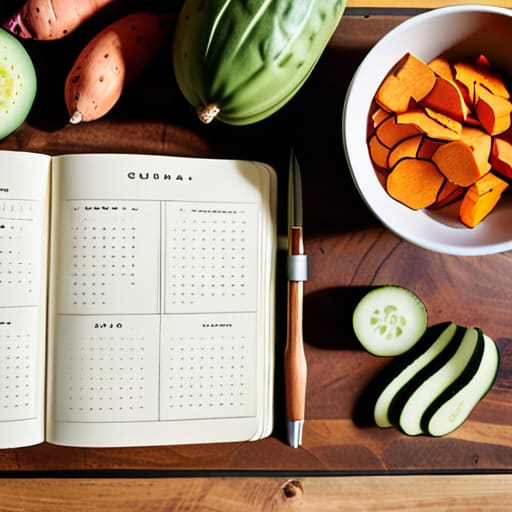
When I sit down with my bullet journal on a Sunday afternoon, I’m not just looking for recipes; I’m looking for fuel that aligns with my goals. I’ve found that the most sustainable approach involves choosing healthy weekly menu ideas that rely on versatile, overlapping ingredients. For instance, if you roast a large tray of sweet potatoes and seasoned chicken on Sunday, those same components can transform into a Mediterranean grain bowl on Tuesday or a hearty salad on Wednesday. This isn’t just about saving time; it’s about reducing the decision fatigue that often leads us to reach for processed takeout when our willpower is low.
To keep things from feeling overwhelming, I swear by simple batch cooking strategies that focus on “component prepping” rather than rigid, single-serving containers. Instead of making five identical meals, try prepping a big pot of quinoa, two types of roasted vegetables, and a signature lemon-tahini dressing. This modular approach gives you the creative freedom to assemble different flavor profiles throughout the week while ensuring you’re always eating something nutritious and intentional.
Small Shifts for Big Mental Clarity: My Top 5 Meal Planning Hacks
- Audit your pantry before you even touch a grocery list; there is nothing more draining than buying a third jar of cumin when you already have two hiding in the back of the cupboard.
- Embrace the “Theme Night” strategy to bypass decision fatigue—whether it’s Taco Tuesday or Pasta Thursday, having a loose framework reduces the cognitive load of deciding what’s for dinner.
- Don’t aim for culinary perfection, aim for consistency; it’s much better to prep three simple, reliable meals that you actually enjoy than to attempt a complex recipe that leaves you feeling defeated and reaching for takeout.
- Shop with a “buffer” in mind by keeping a few frozen staples on hand, because life happens, and having a backup plan prevents a single busy evening from derailing your entire week of intention.
- Use your meal planning as a mindfulness ritual rather than a chore—grab your favorite notebook, put on some music, and treat this time as a way to care for your future self.
The Core Philosophy: Making Meal Planning Work for You
Stop aiming for culinary perfection and focus on consistency; it’s much better to have three reliable, easy meals than a complex menu that leaves you feeling overwhelmed and defeated by Wednesday.
Use meal planning as a tool for mental clarity rather than another chore on your to-do list, treating your prep time as a way to reclaim your decision-making energy for the things that actually move the needle in your life.
Build in “buffer meals” or flexible nights to honor your human need for spontaneity, ensuring your schedule is a supportive framework rather than a rigid cage that causes stress when life inevitably gets messy.
The Psychology of the Prepared Plate
“Meal planning isn’t about rigid restriction or achieving a perfect aesthetic in your Tupperware; it’s about reclaiming the mental bandwidth that gets swallowed up by the daily ‘what’s for dinner’ panic, allowing you to trade decision fatigue for intentional living.”
Ella Thompson
Finding Your Rhythm in the Kitchen
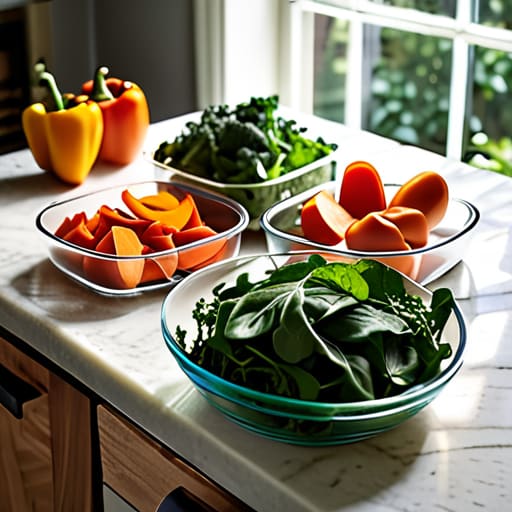
At the end of the day, meal planning isn’t about achieving some impossible standard of culinary perfection or spending your entire Sunday in a flour-dusted trance. It’s about the small, intentional wins—the way a pre-chopped salad or a batch of roasted veggies can prevent that frantic, mid-week decision fatigue that usually leads to takeout. We’ve talked about starting small, building habits that actually stick, and choosing foods that fuel your specific goals rather than just filling space. Remember, the goal is to reduce the cognitive load on your brain so you can save that precious mental energy for the things that truly move the needle in your life. It’s about creating a system that serves you, not a chore that drains you.
As I sit here watching the sand trickle through one of my vintage hourglasses, I’m reminded that time is our most non-renewable resource. When you take control of your nutrition, you aren’t just managing food; you are reclaiming your time and your peace of mind. Don’t feel pressured to overhaul your entire lifestyle overnight. Just pick one ritual, one recipe, or one planning session this week and see how it feels. You deserve to live a life that feels intentional and nourished, rather than rushed and reactive. You have the power to design a routine that honors your energy, so start small, stay kind to yourself, and watch how much more room you create for what truly matters.
Frequently Asked Questions
How do I stay consistent with meal planning when my work schedule or energy levels change unexpectedly?
We’ve all been there—you have this beautiful, color-coded plan, and then a deadline hits or you hit a wall of exhaustion. My advice? Build in “buffer meals.” Keep a few low-effort, nutritious staples in your pantry—think frozen veggies and quick grains—for those days when your energy is zero. Don’t view a deviation from your plan as a failure; view it as a pivot. Flexibility is the secret to long-term consistency.
What are some realistic ways to meal plan without spending my entire Sunday stuck in the kitchen?
I used to think meal planning meant spending six hours every Sunday over a steaming pot, but that’s a fast track to burnout. Instead, try “component prepping.” Instead of full meals, prep versatile building blocks: a batch of quinoa, roasted veggies, or grilled chicken. This gives you cognitive freedom during the week to assemble quick bowls based on how you actually feel. It’s about flexibility, not rigid perfection.
How can I balance meal prepping for efficiency with the desire to eat diverse, fresh meals throughout the week?
Think of meal prepping as building a toolkit rather than a rigid menu. Instead of cooking full, static meals, try “component prepping.” Roast a big batch of seasonal veggies, cook a versatile grain like quinoa, and prep two different proteins. This way, you aren’t stuck with the same leftovers every night. You can pivot from a Mediterranean grain bowl on Tuesday to a hearty veggie stir-fry on Thursday, keeping things fresh without losing your efficiency.
