I remember standing in my tiny kitchen three years ago, staring at a mountain of Tupperware and feeling completely defeated by the “Pinterest-perfect” version of meal prep. I had spent my entire Sunday chopping kale and weighing portions, only to realize I had turned my one day of rest into a second full-time job. Most advice on batch cooking for beginners makes it sound like you need a culinary degree and six hours of uninterrupted time, but let’s be real: if your productivity strategy leaves you feeling burnt out by Monday morning, it’s not a strategy—it’s a burden.
I’m not here to teach you how to turn your life into a sterile assembly line. Instead, I want to show you how to use these methods to reclaim your mental energy so you can focus on what actually moves the needle during your busy week. We’re going to skip the overcomplicated recipes and focus on a psychological approach to food prep that fits into your actual life. My goal is to help you build a sustainable rhythm that nourishes your body without stealing your sanity.
Table of Contents
- Mastering Weekly Meal Planning Strategies With Intention
- Budget Friendly Bulk Cooking to Protect Your Energy
- My Five Non-Negotiables for Stress-Free Batch Cooking
- Finding Your Rhythm: My Top Three Takeaways
- ## Redefining the Sunday Scaries
- Finding Your Rhythm in the Kitchen
- Frequently Asked Questions
Mastering Weekly Meal Planning Strategies With Intention
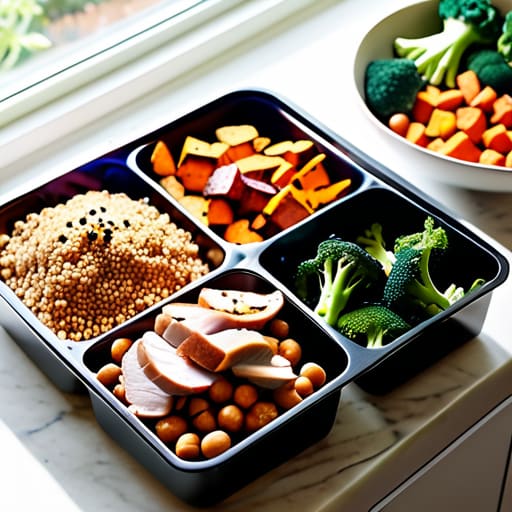
When I first started diving into the psychology of habit formation, I realized that the biggest hurdle to staying consistent isn’t a lack of willpower; it’s a lack of a roadmap. To truly master weekly meal planning strategies, you have to move away from the idea of rigid, complex recipes and toward a system of modular components. Instead of trying to cook five distinct, labor-intensive meals, I recommend focusing on “building blocks”—a large batch of roasted vegetables, a versatile grain like quinoa, and two different proteins. This approach gives you the cognitive freedom to assemble different bowls throughout the week without feeling like you’re eating the exact same thing every single day.
To make this stick, you also need to address your physical environment. I’m a huge believer that efficient kitchen organization for meal prep is the secret sauce to reducing decision fatigue. If you have to hunt through a cluttered pantry for a lid or a spice, you’ve already lost your momentum. Investing in a few high-quality meal prep containers for beginners—ideally ones that are stackable and clear—allows you to see exactly what you have at a glance. When your tools are ready and your components are prepped, you aren’t just cooking; you’re designing a lifestyle that honors your time.
Budget Friendly Bulk Cooking to Protect Your Energy
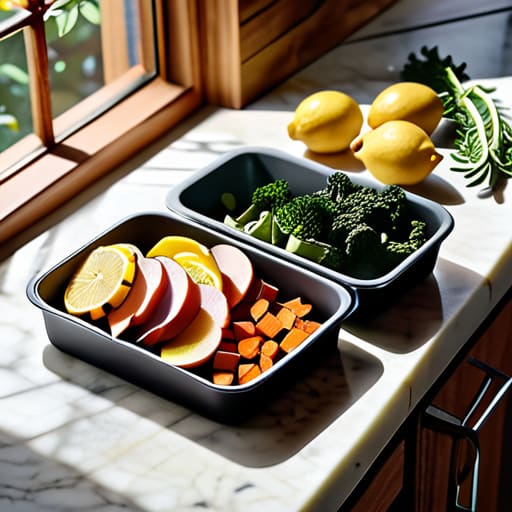
When I first started my consulting practice, I realized that many people view cooking as just another chore on an endless to-do list. But here’s the psychological shift: budget friendly bulk cooking isn’t just about saving pennies at the grocery store; it’s about reducing the “decision fatigue” that drains your mental battery by 5:00 PM. When you prepare large, versatile batches of proteins or grains, you aren’t just making food—you’re pre-loading your future self with the capacity to stay focused on your actual priorities.
To make this sustainable, I always suggest investing in a few quality meal prep containers for beginners rather than trying to organize a chaotic pantry overnight. I love using glass containers because they feel intentional and make it easier to see exactly what’s available, which prevents that frantic “what’s for dinner?” scramble. Think of your kitchen as a system designed to support your energy, not a place that demands more of it. By streamlining your ingredients into reusable components, you create a buffer against the stress of a busy week.
My Five Non-Negotiables for Stress-Free Batch Cooking
- Start with “Component Cooking” instead of full recipes. Rather than committing to five different heavy casseroles, try prepping versatile building blocks—like a big batch of roasted sweet potatoes, a tray of seasoned chicken, and a pot of quinoa. This gives you the psychological freedom to mix and match flavors throughout the week so you don’t feel like you’re eating the exact same meal every single night.
- Audit your energy, not just your pantry. We often make the mistake of planning massive cooking sessions on Sunday nights when we’re already feeling the “Sunday Scaries.” If you’re someone who crashes on weekends, try a “micro-batch” on a Wednesday evening instead. Work with your natural rhythm, not against it.
- Invest in the right containers (and I mean the good ones). There is a real cognitive load associated with digging through mismatched, leaky plastic tubs to find dinner. Using uniform, high-quality glass containers makes your fridge look organized and, more importantly, makes the act of grabbing a meal feel like a curated experience rather than a chore.
- Don’t forget the “Flavor Boosters.” The quickest way to burn out on batch cooking is “palate fatigue.” Keep a small stash of “finishers” in your fridge—think pickled onions, a good hot sauce, fresh herbs, or a squeeze of lime. Adding a fresh element right before you eat tricks your brain into thinking the meal is brand new.
- Embrace the “One-Pot” Rule for your first few tries. When you’re just starting out, the sheer volume of dishes can feel overwhelming and actually trigger procrastination. Stick to sheet-pan meals or large Dutch oven stews. If the cleanup feels manageable, you’re much more likely to turn this into a sustainable habit rather than a one-off experiment.
Finding Your Rhythm: My Top Three Takeaways
Remember that batch cooking isn’t a chore to check off a list; it’s a strategic investment in your future self to prevent decision fatigue during those high-stress mid-week slumps.
Start small and prioritize “modular” prep—like roasting a big tray of veggies or a protein—so you can mix and match flavors throughout the week rather than feeling stuck eating the exact same meal every single day.
Use your meal prep as a mindfulness practice, not a marathon; by approaching your kitchen time with intention rather than rushing, you transform a logistical necessity into a moment of calm before the week kicks into gear.
## Redefining the Sunday Scaries
“Batch cooking isn’t just about filling Tupperware; it’s about performing a gift for your future self, so that when Tuesday afternoon hits and your mental energy is depleted, you aren’t forced to choose between a stressful takeout order and a hungry, overwhelmed brain.”
Ella Thompson
Finding Your Rhythm in the Kitchen
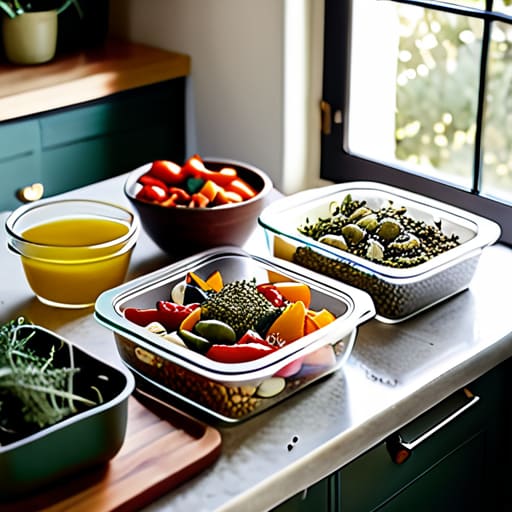
As we wrap up, I want you to remember that batch cooking isn’t about achieving a state of culinary perfection or turning your kitchen into a sterile laboratory. It’s about the strategic integration of meal planning and budget-conscious bulk prep to protect your most valuable resource: your mental energy. By mastering these intentional strategies, you aren’t just filling Tupperware; you are actively reducing the “decision fatigue” that often drains our willpower by mid-afternoon. Whether you are prepping hearty grains to save money or roasting a massive tray of seasonal veggies, you are building a sustainable foundation that supports your goals rather than complicating them.
At the end of the day, my goal for you is to find a rhythm that feels less like a chore and more like a gift to your future self. I often look at my vintage hourglasses and remind myself that time is fluid, but how we choose to spend it is entirely up to us. Don’t feel pressured to overhaul your entire life overnight; start with one small batch, one intentional recipe, and one extra hour of breathing room in your schedule. You deserve to move through your week with purpose and ease, knowing that you have already taken care of the basics. You’ve got this.
Frequently Asked Questions
I love the idea of batch cooking, but how do I keep my meals from tasting like the exact same thing every single day?
I totally get it—the last thing I want is “tasting fatigue” making me dread my meal prep. The secret is to cook components, not complete recipes. Instead of making a massive batch of chili, roast a big tray of versatile veggies and prep a neutral protein like lemon-herb chicken. By swapping out different sauces, spices, or fresh toppings like avocado or feta throughout the week, you’re essentially remixing the same base into entirely different flavor profiles.
How much time should I actually set aside for a single prep session so I don't burn myself out before the week even starts?
I used to think a “prep session” meant a grueling six-hour marathon in the kitchen, but that’s a fast track to burnout. In my experience, the sweet spot is usually 90 to 120 minutes. If you try to do more, you’ll start viewing productivity as a chore rather than a tool. Think of it like a focused sprint: set a timer, prep your essentials, and then step away to let your mind reset.
What are some beginner-friendly storage tips to make sure my prepped food stays fresh and delicious instead of getting soggy by Wednesday?
There is nothing more soul-crushing than looking forward to a healthy meal, only to find it’s turned into a soggy mess. To avoid that, I swear by the “dryness rule”: keep your dressings and sauces separate until the very last second. Also, invest in glass containers with airtight seals—they keep things crispier than plastic. Finally, let your cooked grains or proteins cool completely before lid-locking; otherwise, trapped steam becomes condensation, and that’s the enemy of freshness.
