I remember sitting on my floor three years ago, surrounded by a mountain of shiny, expensive gadgets I’d bought from a late-night infomercial, only to realize I couldn’t even hang a simple picture frame. My heart was racing, not from excitement, but from the overwhelming realization that I had spent a small fortune on things I didn’t actually need. We’ve been conditioned to believe that a massive, professional-grade kit is the secret to success, but that’s a total myth. In reality, cluttering your workspace with useless gear only creates decision fatigue and kills your momentum. When you’re starting out, the goal isn’t to own everything; it’s about identifying the true essential tools for diy that actually serve your vision and help you stay in your flow.
I’m not here to sell you on a lifestyle of endless consumption or to tell you that you need a workshop the size of a garage to be “real.” Instead, I want to share a curated, psychology-backed approach to building your kit. I’ll walk you through the high-impact items that offer the most functional value, ensuring you invest your time and money into tools that actually facilitate creation rather than just adding to the noise.
Table of Contents
Mastering Essential Hand Tools for Beginners
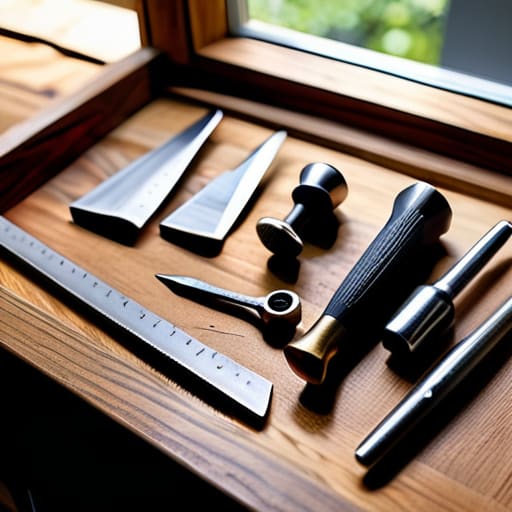
When I first started diving into home projects, I felt this overwhelming pressure to go out and buy every gadget in the aisle. But here’s a little psychological secret: a cluttered workspace leads to a cluttered mind. Instead of chasing every shiny new invention, focus on building a solid home improvement starter kit centered around manual precision. I always tell my clients that mastering the basics is where true confidence is born.
Start with the heavy hitters: a high-quality hammer, a versatile set of screwdrivers, and a reliable tape measure. There is a specific kind of mindfulness that comes from using a manual screwdriver rather than rushing through a task with a drill; it forces you to feel the resistance of the screw and stay present in the moment. While the debate of power tools vs hand tools often dominates online forums, I believe your hands need to learn the “language” of your materials first. Once you understand the tactile feedback of a hand saw or a level, you’ll find that your DIY projects move from feeling like chores to becoming a rhythmic, intentional practice.
Finding Balance Power Tools vs Hand Tools
When I first started diving into my own home projects, I fell into a common trap: I thought more power meant more productivity. I’d see a sleek cordless drill and think it was the magic key to finishing my to-do list faster. But through my psychology background, I’ve learned that true efficiency comes from intentionality, not just raw speed. The debate of power tools vs hand tools isn’t actually about which is “better,” but about which one serves your current mental state and the task at hand.
Power tools are incredible for heavy lifting and saving your physical energy during large-scale tasks, but they can also lead to a sense of “rushed” work if you aren’t careful. On the flip side, relying on manual tools can be a meditative experience—much like my vintage hourglasses—allowing you to feel the resistance of the material and stay present. When building your home improvement starter kit, try to find a middle ground. Don’t feel pressured to buy every gadget in the catalog; instead, curate a selection that balances high-impact machinery with the tactile, focused control of manual instruments.
Curating Your Kit: 5 Intentional Strategies for Tool Selection
- Stop the “just in case” shopping spree. I’ve seen so many people clutter their workspaces with expensive gadgets they’ll only use once. Instead, look at your upcoming projects and ask: “Does this tool solve a specific problem I have right now?” If the answer is no, leave it on the shelf.
- Prioritize quality over quantity every single time. In my psychology studies, we talk about the “sunk cost fallacy,” but in DIY, it’s more about the “frustration tax.” A cheap, dull screwdriver might save you twenty dollars today, but it will cost you hours of mental energy and physical strain tomorrow. Invest in the basics that feel good in your hand.
- Build a “Maintenance Ritual” into your workflow. Just like I use my vintage hourglasses to reset my mind, I suggest using the end of a project to reset your tools. A quick wipe-down or a drop of oil prevents the friction of a rusty tool from becoming a barrier to your next creative spark.
- Learn the “Why” before the “How.” It’s easy to follow a YouTube tutorial, but understanding the mechanics behind a tool—like how torque affects a screw or why a specific blade grain matters—gives you the autonomy to troubleshoot when things go sideways. Knowledge is the most essential tool in your belt.
- Create a dedicated, organized home for every item. Chaos is the ultimate productivity killer. When you spend twenty minutes hunting for a tape measure, you break your cognitive flow and lose that precious momentum. A simple, labeled bin system ensures that your workspace supports your focus rather than draining it.
Making Your Toolkit Work for You
Resist the urge to buy every gadget on the shelf; instead, focus on acquiring high-quality basics that align with the specific projects that actually bring you fulfillment.
View your tools as extensions of your intent rather than just objects, ensuring that every piece in your kit serves a clear purpose in your creative process.
Balance the efficiency of power tools with the mindful precision of hand tools to create a workflow that respects both your time and your mental well-being.
The Psychology of the Toolkit
“A cluttered garage full of expensive, unused gadgets is just a distraction in disguise; true mastery isn’t about owning every tool on the shelf, but about curating the few that actually bridge the gap between your vision and your reality.”
Ella Thompson
Building Your Intentional Toolkit
As we wrap up our look at the DIY landscape, I want you to remember that building a toolkit is a lot like building a productive routine: it’s about quality over sheer volume. We’ve explored how mastering the basics of hand tools gives you that essential tactile connection to your work, and how finding the right balance between manual precision and power tool efficiency can save your most precious resource—your time. You don’t need a garage overflowing with every gadget under the sun to be a maker. Instead, focus on acquiring those intentional pieces that serve your specific creative goals and help you move from idea to execution without the friction of subpar equipment.
Ultimately, the tools in your hands are just extensions of your own intention. Whether you are tightening a screw or drilling a perfect pilot hole, try to stay present in the process. I often turn to my vintage hourglasses when I feel the urge to rush through a project, and I highly recommend you do the same. Don’t let the pursuit of “perfect” gear become a form of procrastination. The most important tool you possess is your own curiosity and your willingness to learn through trial and error. So, pick up that hammer, trust your hands, and start creating something meaningful today.
Frequently Asked Questions
How can I tell if a tool is a high-quality investment or just a cheap piece of plastic that will break halfway through my first project?
It’s easy to get seduced by a low price tag, but I always say: invest in the tool, not the clutter. Look for weight and material integrity. A high-quality tool feels substantial in your hand—not hollow or “clicky”—and features ergonomic grips that don’t strain your muscles. Check the build; if it’s all flimsy plastic and loose joints, it’ll fail you mid-task. Remember, a reliable tool is an investment in your focus and your finished project.
As someone who is easily overwhelmed by clutter, what’s the most efficient way to organize my new tools so they stay accessible but don't take over my entire living space?
I completely hear you—as someone who finds peace in a clean workspace, tool sprawl can feel like mental static. My best advice? Think vertically. Instead of bulky chests, use a pegboard or a slim, wall-mounted organizer. This keeps your essentials visible (so you aren’t hunting for them) but lifts them off your surfaces. Treat your tool organization like a bullet journal: assign every item a specific “home” so clutter never has a chance to settle.
Are there specific safety tools I should prioritize learning first to ensure I don't let anxiety about making mistakes stop me from starting?
I completely hear you—that “what if I mess up?” anxiety is real, and it’s often just our brain’s way of trying to protect us. To quiet that noise, prioritize eye protection and a solid pair of work gloves first. They aren’t just gear; they’re psychological safety nets. When you know your physical self is protected, your mind can finally stop scanning for danger and start focusing on the creative flow.
