I was sitting at my desk last Tuesday, staring at a pile of unopened mail and a layer of dust on my vintage hourglass, when I realized my environment was officially screaming for help. It wasn’t just about a messy kitchen or a stray sock; it was that heavy, suffocating feeling that my physical space was cluttering my mental bandwidth. Most people approach a deep cleaning checklist as if they’re preparing for a military inspection, chasing some impossible standard of sterile perfection that leaves them feeling more exhausted than when they started. But let’s be honest: if your cleaning routine feels like a chore designed to punish you, it’s fundamentally broken.
I’m not here to give you a twenty-page manual that requires a professional cleaning crew and a weekend of your life you’ll never get back. Instead, I want to share a streamlined, psychology-backed approach to resetting your home that actually supports your focus. I’ve distilled my own process into a practical deep cleaning checklist designed to help you reclaim your space without the burnout. We’re going to focus on high-impact zones that clear the mental fog, allowing you to move from chaos to a sense of intentional calm.
Table of Contents
- Curating Your Essential Deep Cleaning Supplies List
- Mastering a Room by Room Cleaning Guide
- The Psychology of the Reset: 5 Strategies to Keep Your Momentum
- Making Deep Cleaning Work for Your Mind, Not Against It
- The Psychology of a Clean Slate
- Reclaiming Your Space and Your Peace
- Frequently Asked Questions
Curating Your Essential Deep Cleaning Supplies List
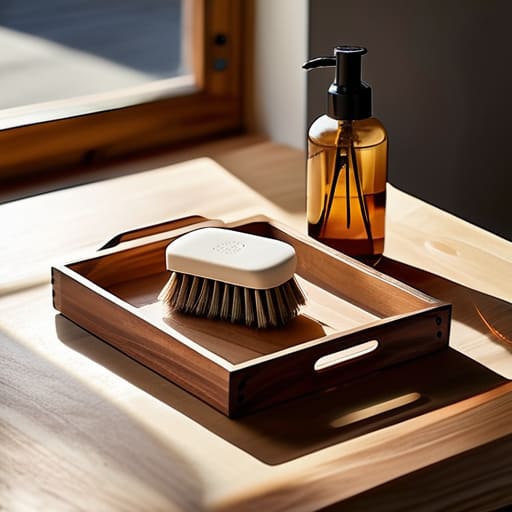
Before we dive into the heavy lifting, we need to talk about your toolkit. I’ve learned through years of consulting that a chaotic supply closet is the quickest way to trigger decision fatigue. When you’re standing in the middle of a room, staring at a smudge and realizing you don’t have the right microfiber cloth, your momentum dies. To keep your flow state intact, I recommend building a dedicated deep cleaning supplies list that focuses on quality over sheer volume. You don’t need twenty different specialized sprays; you need a few versatile, high-performing essentials that won’t overwhelm your senses or your budget.
I like to approach this by thinking about my decluttering and cleaning routine as a way to reset my mental space. Grab a sturdy caddy—something with a handle that makes it easy to move from room to room—and stock it with eco-friendly multi-surface cleaners, a high-quality degreaser, and a variety of non-abrasive scrubbers. By organizing your tools beforehand, you’re not just preparing to scrub floors; you’re minimizing the friction between your intention to clean and the actual execution. This preparation turns a daunting chore into a manageable, rhythmic process.
Mastering a Room by Room Cleaning Guide

When you tackle a massive project like this, the biggest psychological hurdle is often the feeling of being overwhelmed. To combat that “paralysis by analysis,” I always recommend breaking your home down into manageable zones. Instead of looking at the entire house as one giant mountain to climb, use a room by room cleaning guide to focus your mental energy on one specific space at a time. Start with the areas that drain your energy the most—usually the kitchen or the living room—and work your way through. By isolating your focus, you prevent that frantic, scattered feeling and allow yourself to actually enter a state of flow.
As you move from room to room, try to integrate a consistent decluttering and cleaning routine rather than just moving dirt from one surface to another. For example, in the bedroom, don’t just dust the nightstand; pull everything out, wipe the surface, and only put back what truly serves your peace. This approach ensures you aren’t just tidying up, but actually reclaiming your environment. When you treat each room as its own mini-mission, you’ll find that the process feels less like a chore and more like a mindful reset.
The Psychology of the Reset: 5 Strategies to Keep Your Momentum
- Stop chasing perfection and start with ‘Micro-Wins.’ Instead of looking at a messy living room as one giant mountain to climb, pick one small, high-impact area—like a single bookshelf or a coffee table. Completing that small task triggers a dopamine hit in your brain, giving you the psychological fuel to tackle the next section.
- Use the ‘Top-to-Bottom’ Rule to protect your mental energy. There is nothing more frustrating than cleaning a floor only to have dust fall from the ceiling onto it five minutes later. By working from the highest surfaces down to the floor, you create a logical flow that prevents the feeling of “re-doing” work, which is a major productivity killer.
- Pair cleaning with ‘Temptation Bundling.’ I personally can’t face a deep scrub of the kitchen tiles without my favorite lo-fi playlist or a gripping true-crime podcast. By pairing a chore you dislike with an activity you love, you rewire your brain to view cleaning time as a moment of personal indulgence rather than a grueling obligation.
- Set a ‘Visual Timer’ to combat decision fatigue. When we face a massive checklist, our brains often freeze up, leading to procrastination. I love using one of my vintage hourglasses or a simple kitchen timer for 25-minute sprints. Knowing there is a definitive end point makes the task feel manageable and keeps you from getting lost in the weeds of organizing a junk drawer for two hours.
- Focus on ‘Sensory Resetting’ rather than just tidying. Deep cleaning shouldn’t just be about removing dirt; it’s about reclaiming your environment. Once a room is done, take a moment to light a candle or open a window. This signals to your nervous system that the “work” phase is over and the “restorative” phase has begun, helping you actually enjoy the space you just worked so hard to create.
Making Deep Cleaning Work for Your Mind, Not Against It
Shift your mindset from “chores to be finished” to “creating a sanctuary”; when you view cleaning as a way to reclaim your mental space, the process becomes an act of self-care rather than a draining obligation.
Use the psychology of “micro-wins” by tackling one zone at a time; instead of staring at a messy house and feeling paralyzed, focus on the immediate satisfaction of a single completed room to maintain your momentum.
Build a sustainable rhythm by integrating these deep cleaning habits into your seasonal routine, ensuring you aren’t just reacting to chaos, but proactively designing an environment that supports your focus and peace.
The Psychology of a Clean Slate
“A deep cleaning checklist isn’t just a list of chores to cross off; it’s a psychological reset button. When we intentionally clear the physical clutter from our surroundings, we’re actually clearing the mental fog that keeps us from focusing on the work—and the life—that truly matters.”
Ella Thompson
Reclaiming Your Space and Your Peace

As we wrap up this deep cleaning journey, remember that the goal wasn’t just to check off a series of daunting tasks or to scrub every corner until it shines. We’ve moved through the essential supplies, organized our tools, and tackled each room with a strategic, intentional plan. By following this checklist, you haven’t just cleared away dust and clutter; you have effectively lowered the cognitive load on your brain. When our physical environment is chaotic, our minds often follow suit, making it nearly impossible to find that elusive flow state. Now that you’ve mastered the room-by-room approach, you have the blueprint to reset your sanctuary whenever life feels a little too loud.
As I sit here watching the sand trickle through one of my vintage hourglasses, I’m reminded that productivity is rarely about the sheer volume of work we complete. It’s about creating the conditions necessary for our best selves to emerge. Deep cleaning is, at its heart, a ritual of renewal—a way to tell yourself that your environment and your mental clarity are worth the investment. Don’t view this as a chore to be endured, but as a mindful investment in your future focus. You aren’t just cleaning a house; you are designing a life that allows you to breathe, think, and thrive.
Frequently Asked Questions
How do I know when it's actually time for a deep clean versus just my regular weekly maintenance?
I often tell my clients that your environment is a mirror of your mental state. If your weekly tidy-up starts feeling like you’re just moving piles of clutter around rather than actually clearing them, that’s your cue. When you notice dust settling on surfaces you thought were clean, or if the “visual noise” in your home is triggering anxiety instead of calm, it’s time to stop maintaining and start resetting with a true deep clean.
I often feel paralyzed by how much there is to do; how can I break this checklist down so I don't burn out halfway through?
I completely hear you—that paralysis is real, and it’s often just your brain’s way of reacting to sensory overload. When the list feels like a mountain, stop looking at the summit. Instead, try “micro-batching.” Pick one tiny, manageable task—like just wiping down the bathroom mirror—and set a timer for fifteen minutes. By shrinking the scope, you bypass that fight-or-flight response and build the momentum you need to keep going without the burnout.
Are there specific ways to use deep cleaning as a way to reset my mental state rather than just seeing it as another chore on my to-do list?
I love this question because it shifts the focus from the “what” to the “why.” I often think of deep cleaning as a form of externalized mindfulness. Instead of racing through your list, try treating each task as a sensory reset. Focus on the rhythmic motion of scrubbing or the scent of lemon; it’s about clearing the physical clutter to quiet the mental noise. When you reclaim your space, you’re actually reclaiming your headspace.
