I remember sitting in a crowded cafe during my junior year at Berkeley, staring at a dozen open tabs and feeling completely paralyzed. I had all the information in the world at my fingertips, yet I wasn’t actually absorbing anything. It’s a modern epidemic: we confuse the act of consuming content with the actual process of gaining mastery. We download every new tool thinking it will fix our procrastination, but most of the time, we’re just adding to the digital noise. Finding the best apps for learning isn’t about finding the flashiest interface or the one with the most bells and whistles; it’s about finding the digital environments that respect your cognitive load and help you build sustainable neural pathways.
In this post, I’m stripping away the fluff to share the five specific tools that actually align with how our brains function. I won’t just give you a random list of software; I’m going to show you how to curate a personal ecosystem that fosters deep, intentional growth. By the end of this, you’ll have a clear roadmap for choosing tools that transform passive scrolling into active, meaningful skill acquisition.
Table of Contents
Master the Art of Memory with Anki

We’ve all been there—staring at a textbook or a screen, feeling like the information is just sliding right off our brains. This is where the psychology of spaced repetition becomes your best friend. I’ve found that Anki is the gold standard for anyone trying to move knowledge from short-term recognition into long-term mastery. Instead of cramming for hours, which is a recipe for burnout, Anki uses a clever algorithm to show you information right at the moment you’re about to forget it.
Deep Focus with Forest
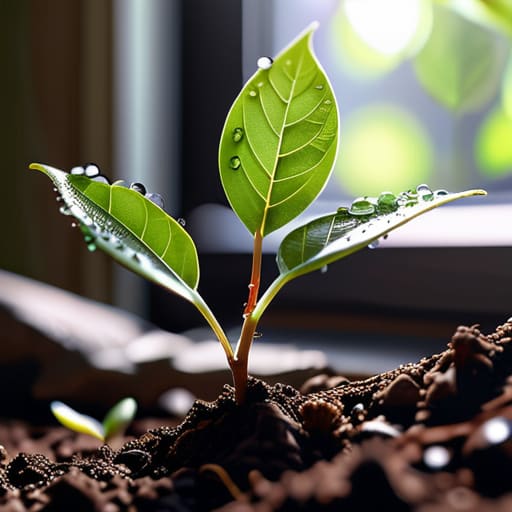
One of the biggest hurdles I see in my consulting work is the “fragmented attention” caused by our constant urge to check notifications. Forest is such a beautiful, tactile way to combat this digital distraction. The concept is simple: you plant a digital tree, and as long as you stay off your phone, that tree grows. If you abandon your task to scroll through social media, your tree withers and dies. It sounds a bit intense, but it taps into a very primal sense of accountability.
Curating Knowledge in Notion

There is a massive difference between collecting information and actually integrating it into your life. Many people fall into the trap of “digital hoarding,” where they save dozens of articles and videos but never actually revisit them. Notion allows you to build a “Second Brain,” a centralized hub where you can connect disparate ideas and create a personalized knowledge ecosystem that actually serves your goals.
Language Fluency via Duolingo
Learning a new language can often feel like an insurmountable mountain, especially when you’re trying to fit it into a busy professional schedule. Duolingo succeeds because it lowers the barrier to entry through micro-learning. It takes the intimidating task of “learning Spanish” and breaks it down into five-minute streaks that fit perfectly into a morning coffee break or a commute.
Skill Acquisition with Coursera
Sometimes, we need to move beyond casual learning and dive into structured, academic-level mastery. This is where Coursera shines, offering a bridge between self-directed study and formal education. What I appreciate most is the ability to learn from world-class institutions without the overwhelming commitment of a full degree program. It allows you to target specific skill gaps with precision and intent.
Finding Your Rhythm in the Digital Noise
Stop treating app downloads like progress; true mastery comes from selecting a single, cohesive system that complements your existing cognitive habits rather than adding to your digital clutter.
Prioritize tools that facilitate “deep work” and active recall, as the most effective learning happens when you’re challenged, not just when you’re consuming content passively.
Remember that technology is merely a scaffold for your intention—the best app in the world won’t help if you haven’t first defined the “why” behind your learning journey.
The Mindset Shift
“Don’t let a shiny new app become just another source of digital clutter; the best tool isn’t the one with the most bells and whistles, but the one that respects your cognitive load and helps you actually bridge the gap between passive consumption and true mastery.”
Ella Thompson
Finding Your Rhythm in the Digital Noise
As we wrap up this deep dive, remember that the “best” app isn’t necessarily the one with the most bells and whistles or the slickest interface. Whether you found a way to master a new language through micro-learning, or you’re using a specialized platform to dive into complex technical skills, the real magic happens when the tool disappears into the background of your routine. It’s about finding that sweet spot where technology meets your unique cognitive needs, allowing you to move from passive consumption to active, intentional mastery. Don’t feel pressured to adopt every tool we discussed today; instead, pick the one that feels most intuitive to your current workflow and let it become a seamless part of your day.
At the end of the day, no app can replace the discipline and curiosity you bring to the table. I often look at my vintage hourglasses and remind myself that time is a finite resource, but our capacity to grow is virtually limitless if we manage our energy wisely. Stop worrying about the perfect setup and start focusing on the meaningful progress you make each day, no matter how small. You aren’t just collecting information; you are building a better version of yourself. So, pick a tool, set your intention, and trust your own rhythm. You’ve got this.
Frequently Asked Questions
How do I avoid the "productivity trap" of spending more time organizing my learning apps than actually studying the material?
I call this “productive procrastination,” and I’ve been there—spent hours color-coding a Notion database instead of actually reading the textbook. To break the cycle, implement a “friction rule”: if setting up a tool takes longer than the study session itself, skip it. Choose one reliable app, set a timer, and commit to the material first. Remember, your goal is mastery, not a perfectly curated digital aesthetic. Use tools to support your brain, not distract it.
With so many subscription-based models out there, how can I tell if an app is a meaningful investment in my growth or just another digital distraction?
I often find myself staring at my collection of vintage hourglasses, thinking about how easily time slips away through our fingers. To avoid the subscription trap, ask yourself: Does this app facilitate active engagement or just passive consumption? If it requires you to build a habit or produce something meaningful, it’s an investment. If it just feeds you endless snippets of information without a way to apply them, it’s just another digital distraction.
Is it possible to integrate these digital tools with analog methods, like bullet journaling, to create a more balanced and mindful learning routine?
Absolutely. In fact, I’m a firm believer that the magic happens in the intersection of digital efficiency and analog intention. I use my digital apps to capture raw data and schedule deep-work blocks, but I always migrate my “big wins” into my bullet journal. That physical act of writing helps my brain process what I’ve actually learned, turning frantic digital consumption into mindful, lasting mastery. It’s about using tech for speed and paper for soul.
