We’ve all been there: it’s 6:30 PM, you’re exhausted after a long day, and the dreaded question hits—what’s for dinner? You open your cupboards only to find a hollow expanse of empty shelves, leaving you to face the ultimate productivity killer: decision fatigue. When we lack a foundation of reliable ingredients, we end up wasting precious mental energy on takeout apps or frantic, last-minute grocery runs that disrupt our entire evening rhythm. I’ve learned through my own psychology studies and my obsession with efficiency that the secret to a calm home isn’t a gourmet kitchen, but rather having a curated selection of pantry staples to always have on hand to bridge the gap between chaos and nourishment.
In this post, I’m stripping away the clutter to share my personal “essential five” list. I’ll walk you through the specific items that act as the building blocks of effortless meals, allowing you to reclaim your time and reduce daily stress. By the end of this, you won’t just have a shopping list; you’ll have a strategy to transform your kitchen into a tool for intentional living.
Table of Contents
- The Foundation of Quick Wins: Grains and Pasta
- Liquid Gold: High-Quality Oils and Vinegars
- The Umami Powerhouse: Canned Legumes and Proteins
- Flavor Shortcuts: Aromatics and Spices
- The Versatile Emergency Kit: Canned Tomatoes
- Reclaiming Your Mental Bandwidth Through Kitchen Intentionality
- The Psychology of Preparation
- Reclaiming Your Evening Rhythm
- Frequently Asked Questions
The Foundation of Quick Wins: Grains and Pasta
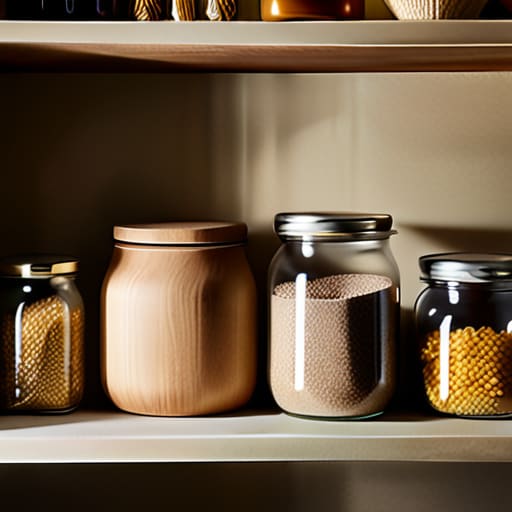
Whenever I find myself staring blankly at the fridge after a long day of client consultations, I turn to my stash of high-quality grains or a box of versatile pasta. There is a profound psychological relief in knowing that a base for a meal is already accounted for. Instead of the frantic search for something “ready to eat,” you’re simply choosing how to dress up a foundation that’s already there, which significantly lowers the barrier to entry for cooking.
Liquid Gold: High-Quality Oils and Vinegars
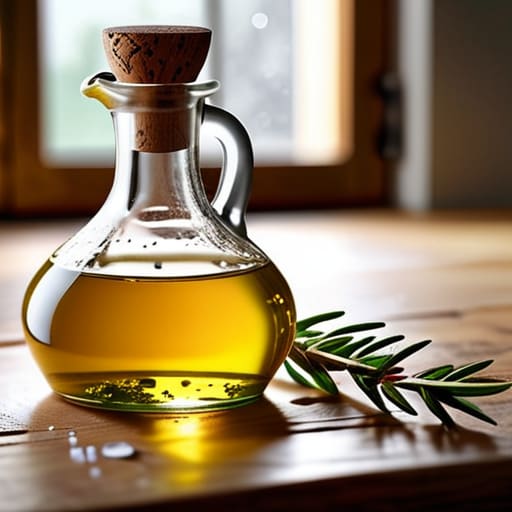
It might seem trivial, but the difference between a mediocre meal and one that feels truly nourishing often comes down to the acidity and fat. Keeping a bottle of extra virgin olive oil and a decent balsamic or apple cider vinegar on hand is my secret weapon for instant flavor elevation. I’ve found that when we lack the time to cook complex recipes, we often settle for bland, uninspiring food, which can actually leave us feeling more depleted.
The Umami Powerhouse: Canned Legumes and Proteins
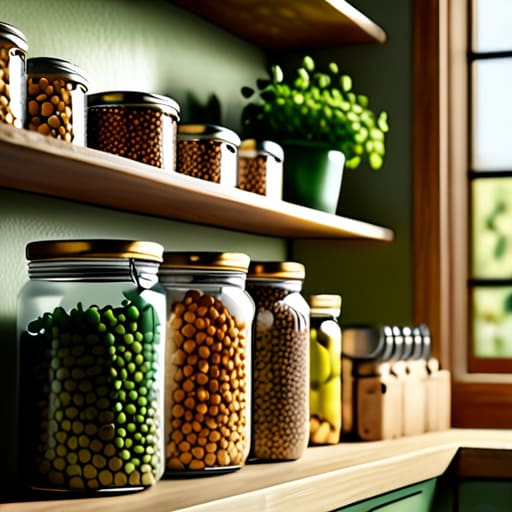
In my house, a well-stocked shelf of chickpeas, lentils, and canned tuna is more than just food; it’s decision fatigue insurance. We often underestimate how much mental bandwidth is consumed by the question, “What can I actually make right now?” When you have protein-rich legumes ready to go, that question is answered before it even becomes a source of stress.
Flavor Shortcuts: Aromatics and Spices
If there is one thing my psychology background has taught me, it’s that sensory input heavily influences our mood. The scent of sautéing garlic or the warmth of cumin can actually act as a grounding ritual during a hectic week. I always keep dried herbs, garlic powder, and perhaps a jar of red pepper flakes close at hand to ensure my meals never feel like a chore.
The Versatile Emergency Kit: Canned Tomatoes
I consider a few cans of crushed or diced tomatoes to be the ultimate productivity hack for the kitchen. They are the backbone of countless meals—soups, stews, quick pasta sauces, or even a base for shakshuka. Having them on hand means you can pivot your meal plan in seconds if your schedule shifts unexpectedly, which happens to the best of us.
Reclaiming Your Mental Bandwidth Through Kitchen Intentionality
Stop viewing pantry stocking as a chore and start seeing it as a way to eliminate decision fatigue during your most stressful hours.
True productivity in the kitchen isn’t about having every ingredient under the sun; it’s about having the right versatile essentials that allow you to pivot quickly.
By automating your basic meal components, you free up the mental energy needed to focus on the creative and meaningful parts of your day.
The Psychology of Preparation
“A well-stocked pantry isn’t about hoarding food; it’s about building a buffer for your mental energy. When you remove the friction of ‘what’s for dinner,’ you reclaim the cognitive space needed to focus on the things that actually move the needle in your life.”
Ella Thompson
Reclaiming Your Evening Rhythm
At the end of the day, keeping these five staples—from hearty grains to versatile oils—on hand isn’t just about cooking; it’s about reducing the cognitive load that accumulates from sunrise to sunset. When you walk into your kitchen and realize you aren’t starting from zero, you bypass that frantic, decision-heavy moment that often leads to burnout or expensive, unplanned takeout. By curating these essentials, you are essentially building a safety net for your future self, ensuring that even on your most chaotic Tuesdays, a nourishing meal is always within reach.
I want you to remember that productivity isn’t just about how you manage your inbox or your calendar; it’s about how you manage your energy. When we automate the small, mundane decisions like “what’s for dinner,” we free up precious mental bandwidth to focus on the things that actually fulfill us. Think of your pantry as a tool for intentional living. Start small, build your collection one item at a time, and watch how much more peaceful your evenings become when you aren’t fighting against your own environment. You’ve got this.
Frequently Asked Questions
How do I know which staples are worth the investment if I’m cooking for just one person?
When you’re cooking for one, the goal isn’t volume; it’s versatility. I always tell my clients to look for “high-utility” items—things that can pivot from a quick Tuesday night pasta to a hearty weekend grain bowl. If an ingredient only serves one specific recipe, skip it. Focus on shelf-stable bases that reduce decision fatigue. You aren’t just buying food; you’re investing in your future self’s ability to eat well without the mental overhead.
Won't keeping all these items on hand lead to more food waste if I don't use them fast enough?
I completely hear you—the last thing I want is to turn my pantry into a graveyard of expired goods! But here’s the psychological shift: these aren’t “extra” items; they are your safety net. By choosing long-lasting, versatile staples rather than perishable trends, you’re actually reducing the frantic, last-minute grocery runs that lead to impulse buying. Think of it as investing in mental bandwidth. When you have the basics, you cook with intention, not desperation.
How can I organize my pantry so these essentials actually stay visible and don't just get lost in the back of the cupboard?
The secret isn’t just tidying; it’s about reducing the “visual noise” that leads to decision fatigue. I swear by the “first-in, first-out” method, but for visibility, I use clear, modular bins. If you can’t see it, you won’t use it—and you’ll likely buy a duplicate. Group your staples by “use case” rather than size. It turns your pantry from a cluttered cupboard into a streamlined system that works with your brain, not against it.
