I was staring at a mountain of mismatched socks and half-empty detergent bottles last Tuesday, feeling that familiar, heavy tightness in my chest, when it hit me: my laundry room wasn’t just messy; it was a cognitive drain. We’ve been sold this lie that laundry room organization requires a Pinterest-perfect overhaul involving custom cabinetry and expensive glass jars that look pretty but serve no functional purpose. Honestly, that’s just more clutter masquerading as aesthetic. When you’re already juggling a million tasks, the last thing you need is a space that demands more maintenance than it actually saves you.
I’m not here to sell you on a lifestyle makeover that feels like a second job. Instead, I want to help you apply a little bit of psychology to your chores to reduce that mental friction. I’m going to share my no-nonsense, experience-based strategies for creating a system that actually respects your time and follows your natural flow. We aren’t aiming for a showroom; we are building a functional zone that supports your rhythm and lets you get back to what truly matters.
Table of Contents
- Reducing Mental Friction With Small Laundry Room Storage Solutions
- Designing Intentionality With Effective Laundry Room Cabinet Organization
- Five Mindful Shifts to Master Your Laundry Flow
- Finding Your Flow: The Psychological Payoff of an Organized Laundry Space
- The Psychology of a Tidy Space
- Finding Your Rhythm in the Routine
- Frequently Asked Questions
Reducing Mental Friction With Small Laundry Room Storage Solutions

When we talk about productivity, we often focus on our desks or our digital calendars, but we forget how much our physical environment dictates our mental state. If you’re constantly digging through a cluttered pile of pods or hunting for that one specific stain remover, you’re experiencing “micro-stresses.” These tiny moments of friction drain your decision fatigue reserves before you’ve even finished your first cup of coffee. To combat this, I love utilizing small laundry room storage solutions that prioritize visibility and accessibility. Think about using clear detergent storage containers; when you can see exactly how much product you have left, you eliminate that nagging subconscious anxiety of running out mid-cycle.
The goal is to create a “flow state” for your chores. Instead of letting laundry feel like a mountain of chaos, try implementing a system of sorting laundry bins right at the point of entry. By categorizing whites, darks, and delicates from the start, you’re essentially automating the decision-making process. You aren’t just tidying up; you are designing a space that respects your time and reduces the cognitive load required to maintain your home.
Designing Intentionality With Effective Laundry Room Cabinet Organization
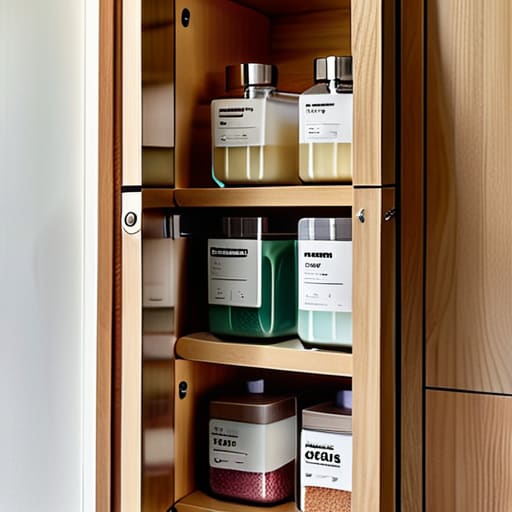
When we talk about intentionality, we’re really talking about removing the decision fatigue that plagues our daily routines. I’ve found that if I have to hunt for a specific stain remover every Tuesday, I’ve already lost the mental battle before the first load is even started. This is where smart laundry room cabinet organization becomes a game-changer. Instead of just shoving bottles into a dark cupboard, I treat my cabinets like a curated system. I use clear detergent storage containers to categorize my supplies; it’s not just about aesthetics, it’s about visual cues that tell my brain exactly what’s available without a second of hesitation.
Think of your cabinets as the command center for your domestic flow. If you have deep, cavernous shelves, they often become “black holes” where half-empty boxes go to die. I’m a huge advocate for using pull-out bins or tiered organizers within your cabinetry to ensure every item remains within your immediate line of sight. When you design your space around how you actually move, you transform a tedious chore into a seamless, almost meditative ritual.
Five Mindful Shifts to Master Your Laundry Flow
- Stop the “Sorting Scramble” by setting up a pre-wash station; using dedicated baskets for lights, darks, and delicates eliminates that mid-cycle decision fatigue that drains your mental energy.
- Implement a “One-Touch” rule for detergent and supplies by keeping your most-used items in open, accessible bins rather than tucked away in deep cabinets, ensuring you spend less time hunting and more time flowing.
- Create a “Transition Zone” with a small rolling cart or a dedicated countertop space for folding, which helps bridge the gap between the machine finishing and the clothes actually finding their home in your closet.
- Use visual cues like clear glass jars for pods or scent boosters; seeing your supplies reminds you of your rhythm without needing to rely on a mental checklist that’s already overloaded.
- Designate a “Lost Sock Sanctuary” using a small, aesthetic basket to catch the stragglers, preventing that frantic, time-wasting search through drawers every time you try to get dressed.
Finding Your Flow: The Psychological Payoff of an Organized Laundry Space
View organization as a way to reduce “decision fatigue”; when every detergent bottle and lint roller has a dedicated home, you save precious mental energy for the things that actually matter.
Prioritize accessibility over aesthetics; true efficiency comes from a layout that respects your physical movement and minimizes the friction of repetitive daily tasks.
Use your laundry room as a mindfulness anchor; by creating a streamlined environment, you transform a chaotic chore into a predictable rhythm that supports your overall sense of control.
The Psychology of a Tidy Space
“We often view laundry room organization as just another chore on the to-do list, but in reality, it’s an act of self-care; when we clear the physical clutter of our utility spaces, we quiet the mental noise that prevents us from moving through our day with intention.”
Ella Thompson
Finding Your Rhythm in the Routine
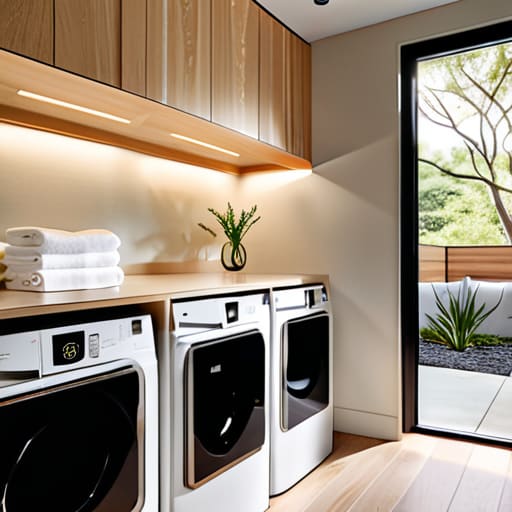
As we’ve explored, organizing your laundry room isn’t just about finding a place for every detergent bottle or matching every stray sock; it’s about minimizing the cognitive load that these small, repetitive tasks impose on your brain. By implementing smart storage solutions to reduce friction and using cabinetry to create intentional zones, you are essentially designing a system that works for you rather than against you. When your environment is structured to support your flow, you stop fighting the chaos of the chore and start moving through it with a sense of purposeful ease.
At the end of the day, I want you to remember that your home should be a sanctuary that respects your mental energy. We often think of productivity as something that happens at a desk or in a high-stakes meeting, but true efficiency is found in the quiet, domestic moments where we reclaim our time. Don’t aim for a laundry room that looks like a sterile showroom; aim for one that supports your unique rhythm. When you master the small spaces, you create the mental breathing room necessary to focus on what truly matters in the rest of your beautiful, busy life.
Frequently Asked Questions
How can I organize my laundry room if I'm working with a tiny, cramped closet instead of a dedicated room?
When you’re working with a cramped closet, the goal isn’t just “storage”—it’s about reclaiming your mental bandwidth. In a tiny space, every inch needs to serve a purpose. I love using verticality to combat that claustrophobic feeling; think over-the-door organizers for detergent pods or slim, rolling carts that tuck away. By maximizing your vertical real estate, you transform a cluttered closet into a streamlined station that supports your flow rather than draining your energy.
What are some ways to create a functional laundry workflow that actually helps me stay consistent with my weekly chores?
To stay consistent, stop viewing laundry as one massive, daunting event and start viewing it as a series of micro-habits. I love using the “one-load-a-day” method to prevent that overwhelming weekend pile-up. Set a specific trigger—like your morning coffee—to start a cycle. When you link the chore to an existing rhythm, you bypass the decision fatigue that usually leads to procrastination. It’s about building momentum, not fighting your willpower.
How do I decide which cleaning supplies and laundry essentials are worth keeping on display versus what should be tucked away in deep storage?
Think of this through the lens of “cognitive load.” If you reach for a specific spray every single Tuesday, keep it front and center—out of sight is out of mind, and hunting for it creates unnecessary friction. However, if it’s a seasonal item or something you only use once a month, tuck it away. I always ask myself: “Does seeing this item help my flow, or is it just visual noise?”
