I used to think that a cluttered countertop was just a sign of a busy life, but my time at Berkeley taught me that our physical environment is actually a direct reflection of our mental bandwidth. I remember standing in my own kitchen last year, staring at a mountain of mismatched Tupperware and spice jars, feeling an inexplicable wave of anxiety before I’d even had my first cup of coffee. It wasn’t just about the mess; it was the cognitive load of having to hunt for a single whisk while trying to prep a healthy meal. We often overlook how much energy we leak simply by navigating chaos, which is why finding intentional kitchen organization ideas is less about aesthetics and more about protecting your peace.
In this post, I’m moving past the superficial “Pinterest-perfect” advice to share five strategic shifts that actually work with your psychology. I’m going to walk you through five specific ways to redesign your culinary space so that it supports your flow rather than interrupting it. By the end of this, you won’t just have a tidier room; you’ll have a functional sanctuary designed to make your daily routines feel effortless and intuitive.
Table of Contents
- The Psychology of Prime Real Estate
- Zone-Based Cooking Stations
- Visual Clarity Through Decanting
- The "One-In, One-Out" Rule for Gadgets
- Implementing a Reset Ritual
- Designing for Flow: My Final Thoughts on Your Kitchen Sanctuary
- The Psychology of the Countertop
- Finding Your Culinary Rhythm
- Frequently Asked Questions
The Psychology of Prime Real Estate
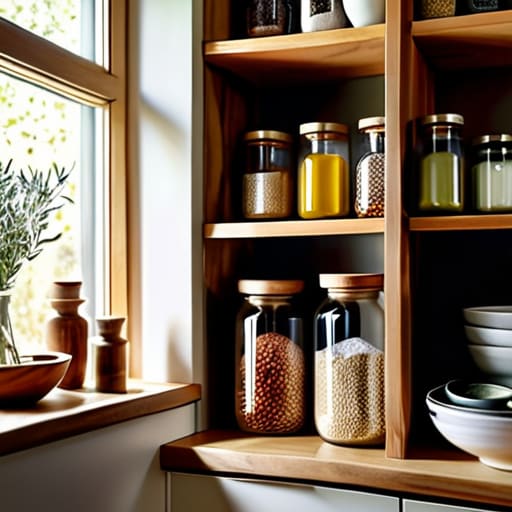
When I first started consulting, I noticed that most people treat their kitchen cabinets like a junk drawer on a grand scale. We tend to shove things where they fit rather than where they belong. To fix this, I want you to think about your “prime real estate”—the area between your waist and your shoulders. This is where your most frequently used items, like your favorite coffee mug or your daily cooking oils, should live.
Zone-Based Cooking Stations
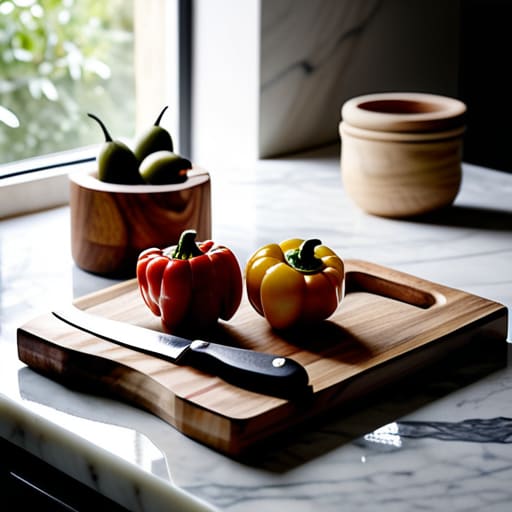
I’m a huge believer in the concept of “flow,” and that applies to your kitchen layout just as much as it does to a deep-work session. Instead of scattering your tools randomly, try grouping them into functional zones. For example, your spices, oils, and prep knives should all live in a tight cluster near your main cutting area. This creates a dedicated prep zone that mimics the way our brains process tasks—one focused activity at a time.
Visual Clarity Through Decanting
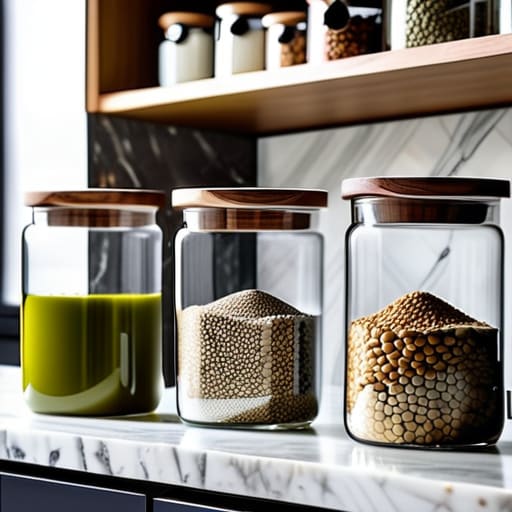
There is something incredibly grounding about seeing exactly what you have at a single glance. This is why I’m such a fan of decanting dry goods like pasta, grains, and lentils into clear, uniform glass containers. When everything is tucked away in mismatched, half-torn cardboard boxes, your brain has to work harder to decode the visual clutter. This “visual noise” can actually contribute to a sense of low-level anxiety when you walk into the room.
The "One-In, One-Out" Rule for Gadgets
We’ve all been there—buying a specialized gadget for a single recipe, only to have it take up precious drawer space for the next three years. As someone who loves efficiency, I find that “gadget creep” is one of the biggest enemies of a functional kitchen. To combat this, I implement a strict one-in, one-out policy. If you bring home a new high-tech garlic press, something else that serves a similar purpose has to be donated or recycled.
Implementing a Reset Ritual
Organization isn’t a one-time event; it’s a continuous practice of maintenance. I love to use a small vintage hourglass on my counter to time my “kitchen reset” at the end of the night. This isn’t about deep cleaning the entire house; it’s about simply returning your kitchen to its baseline state. Clear the counters, tuck the spices back into their zones, and ensure the sink is empty.
Designing for Flow: My Final Thoughts on Your Kitchen Sanctuary
Remember that organization isn’t about achieving a “Pinterest-perfect” aesthetic; it’s about reducing the cognitive load of your daily routines so you can focus on the joy of cooking rather than the frustration of searching for a whisk.
Use the psychology of “habit stacking” to your advantage by placing your most frequently used tools exactly where your hands naturally reach during your morning or evening rituals.
View your kitchen as a living ecosystem that requires periodic recalibration—don’t be afraid to prune your inventory and reset your systems as your lifestyle and rhythms evolve.
The Psychology of the Countertop
“A cluttered kitchen isn’t just a mess of mismatched Tupperware and stray spice jars; it’s a silent drain on your cognitive load. When we design our spaces to support our natural movements rather than fighting against them, we aren’t just organizing a room—we’re reclaiming the mental energy we need to actually enjoy the life happening inside it.”
Ella Thompson
Finding Your Culinary Rhythm
As we’ve explored, organizing your kitchen isn’t just about finding a permanent home for your spice jars or investing in the perfect set of clear bins. It’s about creating a system that reduces the cognitive load of your daily life. Whether you are grouping your baking essentials to streamline meal prep or designating a specific zone for your morning coffee ritual, every small change is a step toward a more intentional space. Remember, the goal isn’t to achieve a sterile, showroom-ready aesthetic; it’s to build an environment that supports your natural habits rather than fighting against them every time you reach for a spatula.
At the end of the day, I want you to remember that your kitchen is the heartbeat of your home, not a source of stress. If you feel overwhelmed by the prospect of a total overhaul, just start with one drawer or one shelf. Productivity in the home is a marathon, not a sprint, and it’s perfectly okay to let your systems evolve as your life changes. When you design your space with purpose, you aren’t just tidying up; you are reclaiming your mental energy for the things that truly matter—like enjoying a slow meal with loved ones or simply breathing in a space that feels like your own.
Frequently Asked Questions
How can I maintain this level of organization when my family's chaotic schedule keeps disrupting my systems?
I totally hear you—it’s hard to maintain a “perfect” system when life feels like a whirlwind. I used to get so frustrated when my planners didn’t match my reality, but here’s what I’ve learned: stop building rigid systems and start building flexible ones. Instead of fighting the chaos, design “buffer zones.” Think of it as psychological elasticity; if your organization can bend without breaking when the kids have soccer or work runs late, you’ve actually won.
I have a very small kitchen with limited counter space; which of these organization strategies are actually realistic for tiny apartments?
I totally hear you—small spaces can feel like they’re working against your productivity rather than supporting it. When counter space is a luxury, stop trying to “organize” the clutter and start reclaiming your verticality. I’m a huge advocate for magnetic knife strips and wall-mounted spice racks. By moving those daily essentials off your counters and onto your walls, you’re not just saving space; you’re reducing the mental friction of a cramped workspace.
How do I know when my kitchen organization is actually helping my productivity versus just becoming another time-consuming chore?
It’s a fine line, isn’t it? I used to fall into the “organization trap” myself—spending hours color-coding spice jars only to feel exhausted by the upkeep. Here’s the litmus test: Does the system serve you, or do you serve the system? If you’re grabbing ingredients without thinking, or if your morning coffee routine feels seamless, it’s working. If you’re spending more time adjusting containers than actually cooking, it’s just performative productivity.
