I was standing in my hallway last November, surrounded by a chaotic mountain of tangled fairy lights and heavy knit blankets, feeling that familiar, heavy knot of anxiety in my chest. It wasn’t just the physical mess; it was the mental weight of knowing I had no system in place. I realized that most advice on how to store seasonal items focuses on buying more expensive, color-coded plastic bins that promise a “perfect” life, but they completely ignore the psychological toll of a cluttered home. We don’t need more stuff to manage our stuff; we need a way to reclaim our space without adding more tasks to our already overflowing plates.
I’m not here to sell you a lifestyle of hyper-organized perfectionism that requires a PhD to maintain. Instead, I want to share a practical, psychology-backed approach to managing your transitions between seasons. I’ll show you how to curate your storage with intention so that when the time comes to bring out the holiday magic or the summer linens, it feels like a joyful ritual rather than a stressful chore. Let’s find your rhythm and clear that mental clutter for good.
Table of Contents
- Maximizing Small Space Storage for Mindful Living
- Selecting the Best Containers for Seasonal Items
- Five Mindful Habits for a Seamless Seasonal Transition
- Making Seasonal Storage Work for Your Mental Well-being
- The Psychology of Seasonal Transition
- Creating Space for What Matters
- Frequently Asked Questions
Maximizing Small Space Storage for Mindful Living
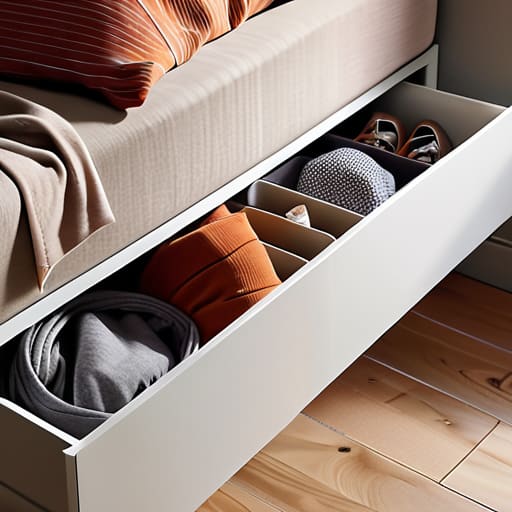
When you’re living in a cozy apartment or a home where every square inch counts, the sheer volume of seasonal decor can feel overwhelming. I used to feel this heavy sense of “clutter anxiety” every time I tried to tuck away my autumn wreaths or winter lights. The secret to maximizing small space storage isn’t just about finding a bigger closet; it’s about verticality and visibility. I’ve found that utilizing slim, stackable bins that can slide under a bed or tuck into the very top of a pantry is a game-changer. By thinking vertically, you free up your mental bandwidth, ensuring your living area remains a sanctuary rather than a warehouse.
To make this work, you have to be intentional about your selection of bins. I always suggest investing in the best containers for seasonal items—think clear, airtight plastic rather than bulky cardboard boxes. Not only does this help with preventing damage during off-season storage by keeping out dust and pests, but it also allows you to see exactly what you have without playing a guessing game. When you can visually confirm your inventory, you reduce the decision fatigue that often comes with seasonal transitions.
Selecting the Best Containers for Seasonal Items
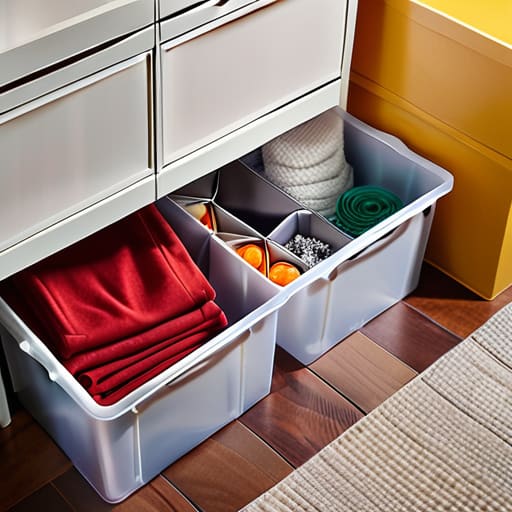
When I’m setting up my own bins for the year, I always start with a psychological check: does this container reduce my future stress or add to it? If you’re just grabbing whatever plastic bin is on sale at the grocery store, you might be setting yourself up for a headache come next December. To truly master seasonal item inventory management, you need to invest in containers that offer more than just a lid. I’m a huge advocate for clear, stackable bins; being able to see exactly what’s inside without digging through layers of cardboard is a game-changer for your mental clarity.
However, visibility shouldn’t come at the cost of safety. When it comes to protecting fragile ornaments or delicate heirloom pieces, I always swap out the standard plastic for padded dividers or acid-free tissue paper. I’ve learned the hard way that a “one size fits all” approach often leads to broken memories. By choosing specialized, sturdy containers for your most precious pieces, you aren’t just preventing damage during off-season storage—you’re actually protecting the joy and ritual that these items bring to your life.
Five Mindful Habits for a Seamless Seasonal Transition
- Label with Intention: Instead of just writing “Christmas” on a box, try adding a quick note about what’s inside, like “Gold ornaments and velvet ribbons.” It sounds small, but it prevents that frantic, disorganized energy when you’re trying to decorate on a rainy Tuesday evening.
- The “One-In, One-Out” Rule: Before you tuck away your summer gear, take a moment to audit it. If you didn’t touch that beach towel all season, let it go. Clearing out the physical clutter prevents your storage bins from becoming graveyards for things you don’t actually love.
- Use the “Reverse Season” Strategy: I always tell my clients to store items where they will be most useful next time. If you have a small entryway, keep your heavy winter scarves in a bin near the door rather than in a deep basement; it reduces the mental friction of getting ready each morning.
- Curate Your “Transition Kits”: Rather than digging through massive bins, create smaller, themed kits for specific rituals—like a cozy “hygge” box with candles and fairy lights. It makes the shift into a new season feel like a celebrated event rather than a chore.
- Schedule a Post-Season Reset: Don’t let the storage process linger. Set a specific date in your planner to put everything away and reset your space. Treating this like a ritual—perhaps with a cup of tea and some soft music—turns a task of “maintenance” into an act of self-care for your future self.
Making Seasonal Storage Work for Your Mental Well-being
Treat your storage process as a ritual rather than a chore; by organizing with intention, you prevent the “clutter anxiety” that often comes from digging through disorganized bins.
Prioritize visibility and accessibility by choosing the right containers, ensuring that your seasonal joy isn’t buried under a mountain of forgotten items.
Optimize your physical environment to support your mental space, using smart, small-space solutions to keep your home feeling calm and intentional year-round.
The Psychology of Seasonal Transition
“Storing your seasonal belongings shouldn’t feel like a chore of hiding things away; it’s actually an opportunity to clear the mental decks, allowing you to fully inhabit the current season without the heavy shadow of the past or the clutter of the future.”
Ella Thompson
Creating Space for What Matters
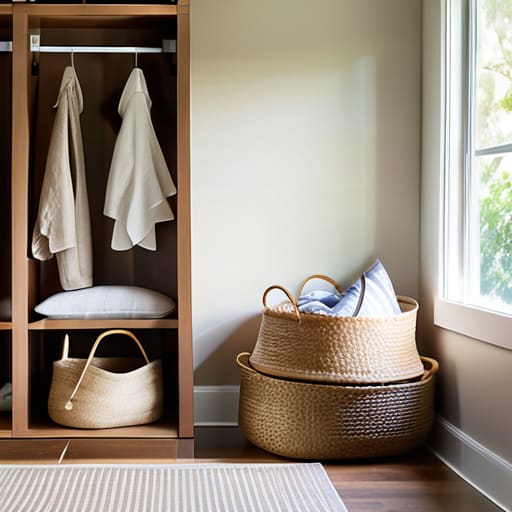
As we wrap up our journey through seasonal organization, remember that the goal isn’t just to clear out your closets, but to optimize your environment for peace of mind. By choosing the right containers and being strategic about how you utilize every inch of your small spaces, you’ve done more than just tidy up; you’ve reduced the cognitive load that comes with visual clutter. When your holiday decor or summer gear is tucked away with intention, you aren’t just hiding things—you are protecting your mental energy for the present moment, ensuring that your home remains a sanctuary rather than a storage unit.
At the end of the day, I want you to remember that your home should serve your rhythm, not dictate it. Productivity isn’t about having a perfectly curated, museum-like existence; it’s about creating systems that allow you to breathe deeply and move through your days with ease. Whether you’re flipping an hourglass to signal the end of a cleaning session or finally seeing your floor space again, know that you are making a profound investment in your well-being. You have the power to design a life that feels as organized on the inside as it looks on the outside.
Frequently Asked Questions
How can I decide which seasonal items are actually worth keeping versus what's just taking up mental and physical space?
This is where the psychology of “clutter attachment” kicks in. I always tell my clients to use the “Joy and Utility” litmus test. Grab an item and ask: Does this spark genuine seasonal joy, or am I just keeping it out of a sense of obligation? If it’s a centerpiece that transforms your home, keep it. If it’s a dusty knick-knack you haven’t touched in two years, let it go. Your space deserves intention, not just accumulation.
Are there specific ways to organize my bins so I don't feel that "out of sight, out of mind" anxiety when I need something?
I completely hear you—that “out of sight, out of mind” feeling can trigger so much subconscious anxiety. To combat this, I swear by the “visual index” method. Instead of just labeling a bin “Decor,” use a clear container or, better yet, tape a printed photo of the items inside directly onto the lid. It bridges that psychological gap between the physical object and your memory, letting your brain rest easy knowing exactly what’s waiting for you.
How do I manage the transition between seasons without feeling overwhelmed by the sudden shift in my home environment?
The key is to avoid the “all-at-once” burnout. When I feel that seasonal shift coming on, I don’t try to overhaul my entire home in a single afternoon—that’s a recipe for decision fatigue. Instead, I treat it like a gentle ritual. Pick one corner or one category, like your cozy knit blankets, and transition those first. By breaking the shift into micro-tasks, you maintain control and prevent that overwhelming sense of chaos.
