I used to think that if I just bought the most expensive ergonomic chair and a sleek, minimalist standing desk, my focus would magically appear. I spent hundreds of dollars trying to “optimize” my surroundings, only to find myself staring at a beautiful, empty desk, feeling more paralyzed than ever. We’ve been sold this lie that how to build a productive workspace is about the gear you accumulate, but that’s just expensive procrastination in disguise. Real productivity isn’t about how much you spend on aesthetic office supplies; it’s about curating an environment that actually respects your cognitive load and protects your mental energy.
In this guide, I’m stripping away the hype and the overpriced gadgets to focus on what actually works from a psychological perspective. I want to show you how to design a space that honors your unique rhythm and supports the work that truly matters. We aren’t just going to talk about organization; we are going to talk about building a sanctuary for your focus. I’m sharing the exact, no-nonsense strategies I use to turn a chaotic corner of a room into a high-performance zone that feels deeply intentional.
Table of Contents
Optimizing Your Home Office Layout Ideas for Flow
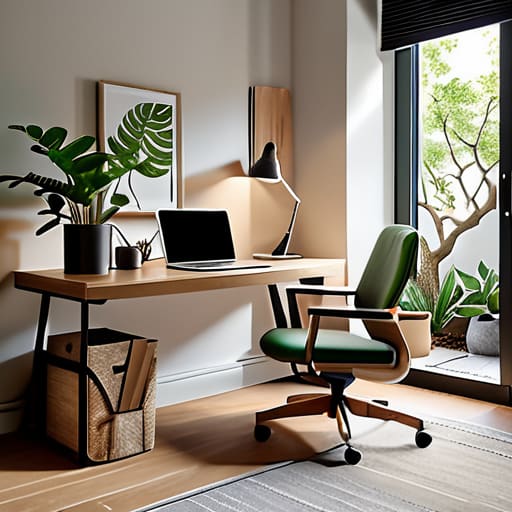
When I’m mapping out a new room, I don’t just look at where the desk fits; I look at how energy moves through the space. To truly master your home office layout ideas, you have to consider the psychological impact of your surroundings. I’ve found that facing a window can be a double-edged sword—while it offers a refreshing view, it can also invite too much visual noise. I always recommend positioning your desk so that you have a clear view of the door without being directly in the line of fire. This subtle shift creates a sense of “command position,” which helps reduce that subconscious anxiety of being startled, ultimately improving focus with environment by making you feel secure and grounded.
Beyond the big furniture moves, it’s the micro-adjustments that create a sense of flow. I’m a huge advocate for minimizing desk distractions by keeping your immediate “reach zone” strictly limited to what you need for your current task. If you’re working on a deep-focus project, your physical environment should act as a cocoon. I often use one of my vintage hourglasses to signal a transition between tasks, but even just clearing the visual clutter from your peripheral vision can prevent that mental fatigue that hits mid-afternoon.
Ergonomic Office Setup Tips to Honor Your Body
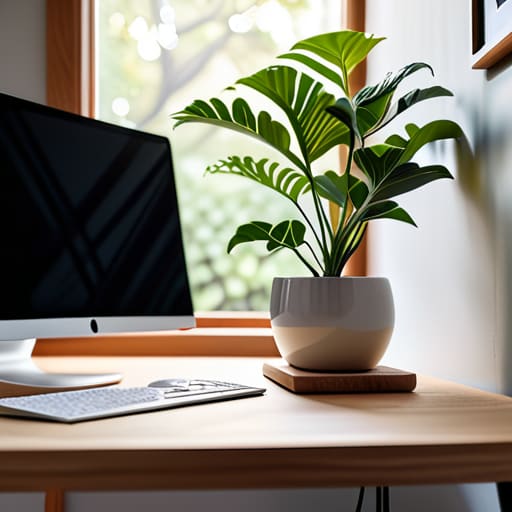
We often treat our bodies like secondary characters in the story of our productivity, but that’s a psychological trap. If you’re constantly shifting in your seat or rubbing a sore neck, you aren’t actually working; you’re just managing discomfort. When I was studying at Berkeley, I realized that physical tension acts as a constant “background noise” in our brains, draining the cognitive energy we need for deep work. Implementing basic ergonomic office setup tips—like ensuring your monitor is at eye level and your feet are flat on the floor—isn’t just about avoiding a chiropractor visit; it’s about protecting your mental bandwidth.
Think of your physical setup as a way to signal to your nervous system that it is safe to focus. When your spine is supported and your wrists are at a neutral angle, your brain can stop scanning for physical threats and start engaging with your tasks. I’ve found that even small adjustments, like incorporating optimal lighting for productivity to reduce eye strain, can drastically change how long you can sustain intense concentration. Your workspace should be a sanctuary for your body, not a source of friction.
Curating Your Environment: 5 Ways to Protect Your Focus
- Audit Your Visual Noise. We often mistake a “busy” desk for a productive one, but my psychology background has taught me that sensory overload is a silent killer of deep work. Take a look at your line of sight—if your eyes are constantly snagging on random mail, tangled cords, or half-finished projects, your brain is working overtime just to ignore them. Keep only the tools required for your current task within arm’s reach.
- The Power of Sensory Anchors. I love using my vintage hourglasses to signal a shift in mental states, and you can do the same. Whether it’s a specific scent like peppermint to kickstart your brain or a curated lo-fi playlist, create “sensory triggers” that tell your subconscious, “Okay, it’s time to focus now.” It’s about training your brain to enter the flow state more easily.
- Designate a “Digital Sanctuary” Zone. Your workspace shouldn’t just be a physical location; it needs to be a digital one, too. If you find yourself reflexively clicking over to news sites or social media, try creating a dedicated “work only” browser profile or using apps that block distractions during your peak hours. If your digital environment is as cluttered as your physical one, your productivity will always feel fragmented.
- Master the Art of the “Reset Ritual.” At the end of every workday, spend exactly five minutes resetting your space. Clear the coffee mugs, tuck in your chair, and jot down your top priority for tomorrow on a sticky note. This isn’t just about tidiness; it’s a psychological boundary that allows you to mentally “clock out” and ensures you don’t walk into a chaotic mess the next morning.
- Prioritize Natural Light and Movement. We aren’t built to sit under harsh fluorescent lights in a stagnant room. If you can, position your desk near a window to catch natural light, which helps regulate your circadian rhythm and keeps your energy levels stable. And please, don’t forget to move! Even a two-minute stretch between deep work sessions can prevent that afternoon brain fog from setting in.
Small Shifts, Big Impact: Your Workspace Strategy
Remember that your environment is a psychological cue; curate a space that signals to your brain it’s time for deep work, rather than just a place to sit.
Prioritize physical comfort as a foundation for mental clarity, because you can’t achieve a flow state if your body is constantly fighting tension.
Treat your desk layout as a living system that should evolve with your needs, focusing on removing friction rather than just adding more organizational tools.
The Psychology of Space
“Your workspace shouldn’t just be a collection of tools and technology; it should be a curated sanctuary that protects your focus and signals to your brain that it’s time to do what truly matters.”
Ella Thompson
Designing for Intent: Final Thoughts
At the end of the day, building a productive workspace isn’t about checking off a list of expensive gadgets or following a rigid, one-size-fits-all floor plan. It’s about the intentional synthesis of your environment and your psychology. We’ve talked about how a strategic layout can foster deep flow, how ergonomic adjustments protect your physical well-being, and how a curated desk can minimize cognitive load. When you align your physical surroundings with your mental needs, you stop fighting against your environment and start working in harmony with it. Remember, your space should serve you, not the other way around; every chair adjustment and every cleared surface is a deliberate investment in your focus.
As you step away from your screen today, I want you to remember that your workspace is a living, breathing extension of your intentions. It will evolve as you do, and that is perfectly okay. Don’t aim for a sterile, “perfect” office that looks like a stock photo; aim for a space that honors your unique rhythm and protects your most precious resource: your attention. You have the power to transform even the smallest corner into a sanctuary for your best work. Trust your intuition, stay mindful of your needs, and go out there and fulfill your potential one intentional moment at a time.
Frequently Asked Questions
How can I create a focused workspace if I live in a small studio apartment with no separate room for an office?
Living in a studio means your “office” is often your living room or even your kitchen table. I totally get it—it’s hard to switch into deep-work mode when your bed is staring you down. My secret? Visual cues. Use a specific desk lamp that stays off during leisure time, or even a small folding screen to physically block your view of the apartment. When that lamp clicks on, your brain knows: it’s time to focus.
Are there specific psychological triggers or sensory cues, like lighting or scent, that can help me transition into "deep work" mode more quickly?
Absolutely. Think of these as “sensory anchors.” Just like I use my vintage hourglasses to signal a mindfulness break, you can use scent or light to prime your brain for focus. I love lighting a specific sandalwood candle or switching to a cool-toned desk lamp only when it’s time for deep work. These consistent cues tell your nervous system, “Hey, it’s time to settle in.” It’s about building a psychological bridge into your flow state.
How do I balance the need for a functional, organized desk with the desire to keep my space feeling cozy and personal rather than clinical?
I call this the “Soulful Workspace” balance. To avoid that sterile, clinical vibe, I treat my desk like a curated sanctuary rather than just a workstation. Keep your high-utility tools—like your planner or laptop—within easy reach to maintain function, but layer in “soft” elements like a textured desk mat, a small plant, or even one of my vintage hourglasses. It’s about intentionality: use organization to clear the mental clutter, then use personal touches to invite inspiration.
