I used to think that “organizing” meant buying a dozen matching velvet hangers and those expensive, aesthetic acrylic dividers you see all over Instagram. But let’s be real: if you’re staring at a mountain of clothes every morning, feeling that familiar spike of cortisol before you’ve even had your coffee, a pretty bin isn’t going to save you. Most advice on how to organize a closet focuses on the decor, but they completely ignore the psychological weight of the clutter itself. We don’t need more containers; we need a system that actually respects our mental bandwidth and stops the decision fatigue that drains us before the day even begins.
In this guide, I’m stripping away the fluff and the expensive retail gimmicks to give you a strategy rooted in actual human behavior. I won’t just show you where to put your shoes; I’m going to teach you how to curate a space that supports your daily rhythm and minimizes friction. We are going to tackle how to organize a closet by focusing on intentionality over aesthetics, ensuring that your wardrobe becomes a tool for empowerment rather than another item on your overwhelming to-do list.
Table of Contents
- Closet Decluttering Tips for Reclaiming Your Mental Clarity
- Organizing Clothes by Category to Fuel Daily Focus
- Five Strategic Moves to Turn Your Closet into a Productivity Powerhouse
- Small Shifts for Long-Term Mental Space
- ## The Psychology of Your Space
- Beyond the Hangers: Making Your Space Work for You
- Frequently Asked Questions
Closet Decluttering Tips for Reclaiming Your Mental Clarity

Before you even touch a single hanger, I want you to take a deep breath and realize that this isn’t just about fabric and buttons. When we look at a mountain of clothes, our brains often process it as a massive, unfinished task, which triggers that familiar sense of overwhelm. To combat this, I recommend starting with some simple closet decluttering tips that focus on emotional detachment. Instead of asking, “Can I wear this?” try asking, “Does this version of me still exist?” If you haven’t reached for that sequined blazer in three years, it’s likely just occupying mental real estate that could be used for something that actually makes you feel confident today.
Once you’ve cleared the excess, the goal shifts from purging to intentionality. I’ve found that organizing clothes by category—grouping your linens, basics, and statement pieces—does more than just make things look pretty; it reduces decision fatigue during those frantic Monday mornings. When everything has a designated home, you stop scanning the chaos and start moving with purpose. It’s about creating a visual rhythm that supports your daily routine rather than disrupting it.
Organizing Clothes by Category to Fuel Daily Focus
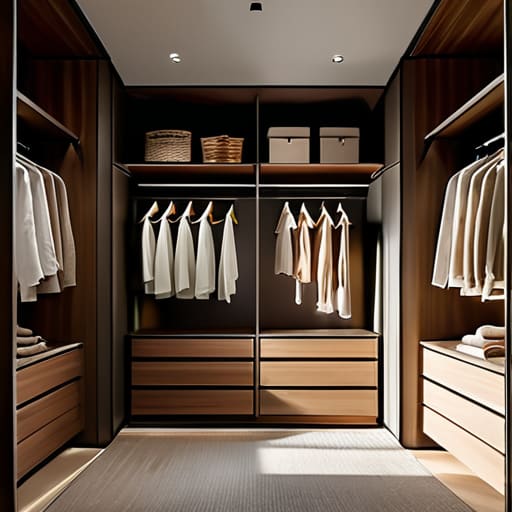
Once you’ve cleared out the excess, the next step is to stop treating your closet like a chaotic grab bag and start treating it like a curated system. I’ve found that organizing clothes by category—grouping all your linen shirts together, then your knits, then your trousers—does more than just make things look pretty. It reduces the “decision fatigue” that hits us the moment we wake up. When you know exactly where your professional blazers live, you aren’t wasting precious mental energy scanning through a mountain of mismatched items just to find one reliable outfit.
If you’re working with limited square footage, this is where you can get creative with space saving closet solutions. I love using uniform hangers to create a visual rhythm; it’s a small psychological trick that makes the space feel instantly calmer. For those seasonal items that don’t fit your current rotation, don’t let them crowd your daily essentials. Instead, utilize the best closet storage bins on your top shelves to tuck away off-season gear. By creating these distinct zones, you aren’t just managing fabric; you’re designing a morning routine that fosters focus rather than frustration.
Five Strategic Moves to Turn Your Closet into a Productivity Powerhouse
- Implement a “One-In, One-Out” Rule to Prevent Decision Fatigue: Every time you bring a new piece of clothing into your sanctuary, commit to letting one go. This keeps your collection curated and prevents that overwhelming feeling of having “too much to wear” when you’re already pressed for time in the morning.
- Invest in Uniform Hangers to Reduce Visual Noise: It sounds small, but switching to matching velvet or wooden hangers works wonders for your brain. When your eyes aren’t jumping between mismatched plastic and wire, you experience less sensory overload, allowing you to scan your options with much more ease.
- Use the “Reverse Hanger Trick” to Audit Your Habits: Turn all your hangers backward. When you wear an item, flip the hanger the right way. After three months, those hangers still facing the wrong way are a psychological signal that those pieces aren’t serving your current lifestyle—it’s time to let them go.
- Create “Outfit Zones” for High-Stakes Days: If you have a big presentation or a heavy meeting day, prep a specific section of your closet with your go-to power outfit. By removing the “what do I wear?” variable from your morning routine, you save precious cognitive energy for the tasks that actually move the needle.
- Utilize Vertical Space to Minimize Morning Chaos: Don’t let your accessories live in a tangled heap at the bottom of a drawer. Use hanging organizers or clear bins for belts, scarves, and bags. When everything has a dedicated “home” that is visible at eye level, you stop hunting and start flowing.
Small Shifts for Long-Term Mental Space
View your closet as a tool for decision-making rather than just storage; the easier it is to find your clothes, the less “decision fatigue” you’ll face before your day even truly begins.
Consistency beats intensity, so try implementing a “one-in, one-out” rule to prevent the physical clutter from creeping back in and overwhelming your mental focus.
Use your organizational system to honor your current lifestyle, not your past self; keeping clothes that no longer fit your daily rhythm only serves as a subtle, constant source of stress.
## The Psychology of Your Space
“Your closet isn’t just a storage unit for fabric; it’s the first decision-making hurdle you face every single morning. When we organize our clothes with intention, we aren’t just tidying a room—we’re reducing the cognitive load that drains our willpower before the day has even truly begun.”
Ella Thompson
Beyond the Hangers: Making Your Space Work for You
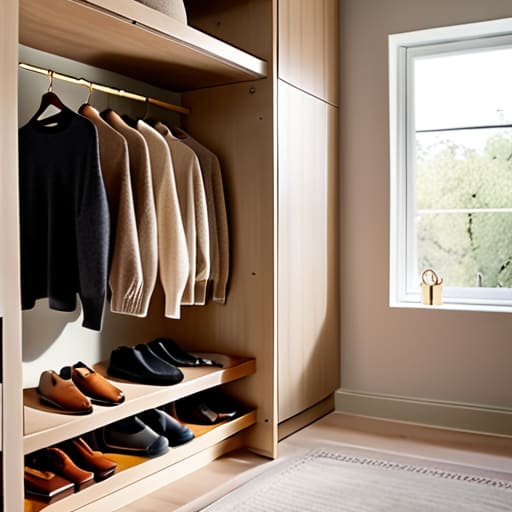
At the end of the day, organizing your closet isn’t just about finding a place for every sweater or ensuring your shoes are lined up in perfect rows. It’s about the cumulative effect of these small, intentional choices. By decluttering the items that no longer serve your current identity and categorizing your wardrobe to reduce decision fatigue, you are actively lowering the cognitive load on your brain every single morning. We’ve moved from the chaos of overwhelming piles to a streamlined system that supports your focus, allowing you to step into your day with a sense of purposeful readiness rather than frantic searching.
As I sit here watching the sand trickle through one of my vintage hourglasses, I’m reminded that our environments are constantly shaping our internal states. Your closet shouldn’t be a source of stress or a graveyard for clothes you “might” wear one day; it should be a curated sanctuary that reflects who you are right now. Remember, productivity isn’t about achieving a Pinterest-perfect aesthetic; it’s about creating a life that flows. When you master your physical space, you reclaim the mental bandwidth to focus on what truly matters. Go ahead, embrace the rhythm of your new, intentional routine.
Frequently Asked Questions
How do I decide what to keep when I feel a sentimental attachment to clothes I haven't worn in years?
I completely get it—those clothes aren’t just fabric; they’re memories. But here’s the psychological truth: we often cling to the version of ourselves that wore them, not the garment itself. Try this: honor the memory, then release the item. Take a photo of the piece to preserve the sentiment, or donate it to someone who will actually breathe life into it. Don’t let a ghost from your past clutter your present rhythm.
I have a tiny apartment with almost no storage space; are there any clever hacks for organizing a closet that's already overflowing?
I completely feel your pain—I used to live in a studio where my “closet” was basically a glorified pile of laundry! When vertical space is a luxury, you have to think three-dimensionally. Try using slim, velvet hangers to cut visual clutter and double your hanging capacity instantly. I also swear by over-the-door organizers for shoes or accessories, and using vacuum bags for out-of-season items. It’s about reclaiming every inch to reduce that morning decision fatigue.
How often should I actually go through my closet to maintain this sense of order without it feeling like a chore?
I used to think I needed a massive weekend overhaul every few months, but that’s a recipe for burnout. Instead, I swear by the “seasonal sweep.” Every time the weather shifts, take thirty minutes to audit your rotation. It keeps the momentum going without the dread. Think of it as a quick mental reset rather than a heavy lifting session. Small, rhythmic check-ins are much more sustainable for your psychology than sporadic, exhausting marathons.
