I used to stare at my wilted bowl of arugula with the same dread I felt when looking at a cluttered, unoptimized calendar: it felt like a chore I was failing at. We’ve been sold this myth that learning how to make salad interesting requires an expensive trip to a boutique grocer for microgreens and artisanal seeds that cost more than my actual lunch. Honestly, that’s just productivity theater applied to food. If you’re treating your midday meal like a tedious box to check off just to hit a nutritional quota, you’re doing it wrong; you’re actually draining your mental energy instead of replenishing it.
I’m not here to give you a list of twenty “superfoods” you’ll never actually use. Instead, I want to share a psychological approach to meal prep that focuses on sensory variety and intentional layering. I’m going to show you how to use basic pantry staples to create textures and flavors that actually fuel your focus throughout the afternoon. We aren’t just tossing leaves in a bowl; we are designing a ritual that makes nourishment the most efficient part of your day.
Table of Contents
- Mastering Flavor Balancing in Salads for Sustained Energy
- Creative Salad Ingredient Combinations That Feed Your Soul
- The Texture Playbook: Beyond Just Leaves and Dressing
- The Intentional Plate: My Final Thoughts on Fueling Your Flow
- The Psychology of the Plate
- Beyond the Bowl: Finding Your Culinary Rhythm
- Frequently Asked Questions
Mastering Flavor Balancing in Salads for Sustained Energy
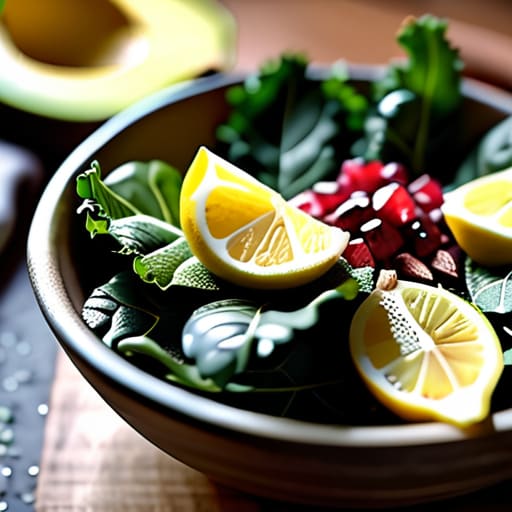
When I was studying psychology at Berkeley, I became fascinated by how sensory input affects our cognitive load. If your lunch is a monotonous pile of wilted spinach, your brain essentially goes into “autopilot” mode, leading to that dreaded mid-afternoon slump. To prevent this, you need to treat flavor balancing in salads as a way to keep your brain engaged. I always tell my clients: if your palate is bored, your focus will be too. Start by playing with the fundamental pillars of taste—acid, fat, salt, and heat. A squeeze of fresh lemon or a splash of apple cider vinegar can cut through a heavy avocado, creating a brightness that actually wakes up your senses rather than weighing them down.
Beyond just taste, don’t underestimate the power of adding texture to salads to sustain your mental stamina. A salad that is purely soft can feel unfulfilling, leaving you hunting for snacks an hour later. I love incorporating crunchy elements like toasted pepitas or sliced radishes to create a rhythmic eating experience. By mixing these creative salad ingredient combinations, you aren’t just eating; you’re fueling a high-performance brain.
Creative Salad Ingredient Combinations That Feed Your Soul
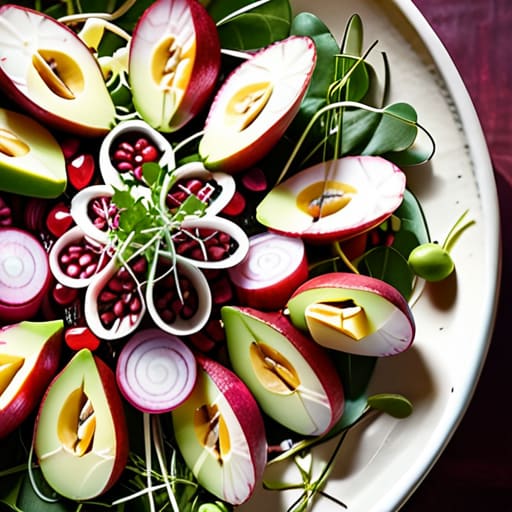
I’ve found that when my brain feels cluttered, a monotonous meal only adds to the mental fog. To combat this, I lean into creative salad ingredient combinations that play with unexpected contrasts. Think beyond the standard lettuce and tomato; I love pairing creamy elements, like sliced avocado or goat cheese, with something sharp and acidic, such as pickled red onions or pomegranate seeds. This isn’t just about eating; it’s about stimulating your senses to keep your cognitive momentum high throughout the afternoon.
Another trick I swear by is adding texture to salads to prevent that “sad desk lunch” feeling. If your bowl feels one-dimensional, reach for some crunch. I often toss in toasted pepitas, crispy chickpeas, or even a handful of crushed walnuts. These small additions transform a simple side dish into a multi-sensory experience. When you treat your lunch as a curated moment of joy rather than a task to be completed, you’re not just fueling your body—you’re practicing a form of mindful nourishment that supports your entire day.
The Texture Playbook: Beyond Just Leaves and Dressing
- Stop settling for “mushy” and start chasing crunch. I’ve found that a salad only feels like a real meal when there’s a structural contrast—think toasted pepitas, sliced radishes, or even a handful of crispy chickpeas to keep your palate engaged.
- Lean into the power of acidity to wake up your brain. If your salad feels heavy or flat, you don’t need more salt; you need a bright splash of lemon juice or a tangy pickled onion to cut through the richness and prevent that mid-afternoon brain fog.
- Use temperature to create a sensory experience. I love tossing warm, roasted sweet potatoes or slightly charred corn into a bed of cold greens; that interplay between warm and cool makes the act of eating feel much more intentional and satisfying.
- Don’t fear the “umami” boost. To move away from that bland “diet food” feeling, incorporate ingredients with deep, savory profiles like shaved Parmesan, sun-dried tomatoes, or even a few slices of avocado to give the bowl a sense of completeness.
- Treat your dressing as a component, not a coating. Instead of drowning your greens in a heavy sauce, try drizzling a high-quality vinaigrette or dolloping a creamy tahini dressing strategically so you actually taste the individual ingredients rather than just the oil.
The Intentional Plate: My Final Thoughts on Fueling Your Flow
Stop viewing your lunch as a mindless task to check off; instead, treat every ingredient as a strategic choice to stabilize your mood and sustain your mental energy throughout the afternoon.
Use the “texture trifecta”—crunch, creaminess, and zest—to turn a repetitive meal into a sensory experience that actually makes you look forward to your midday break.
Remember that productivity isn’t just about how you manage your calendar, but how you manage your fuel; a thoughtful, flavorful salad is a small but powerful investment in your cognitive clarity.
The Psychology of the Plate
“Stop viewing your salad as just another checkbox on your wellness to-do list; when you intentionally layer textures and unexpected flavors, you aren’t just eating—you’re practicing a form of culinary mindfulness that fuels both your body and your focus.”
Ella Thompson
Beyond the Bowl: Finding Your Culinary Rhythm
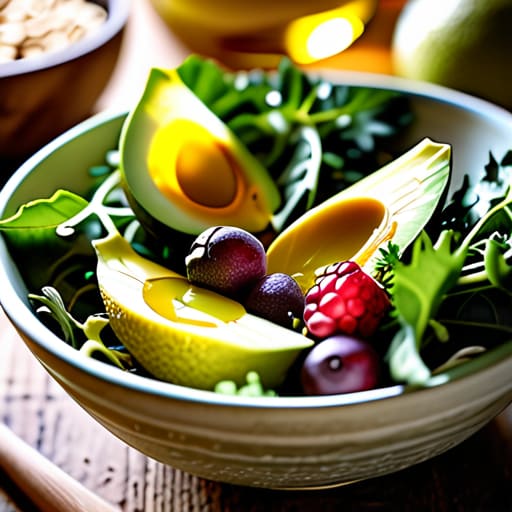
At the end of the day, transforming a boring salad into a vibrant, soul-nourishing experience comes down to the intentionality you bring to the bowl. We’ve explored how mastering the delicate balance of acid, fat, and crunch can prevent that dreaded mid-afternoon energy slump, and how experimenting with unexpected ingredient pairings can turn a routine lunch into a genuine moment of joy. Remember, it isn’t about following a rigid recipe or checking off a list of “healthy” items; it’s about understanding the sensory architecture that keeps you satisfied and focused. When you stop treating your meals like a chore and start viewing them as a way to curate your energy, you change your entire relationship with nutrition.
As I sit here with my vintage hourglass, watching the sand slip through the glass, I’m reminded that how we spend our small moments—even mealtime—defines our overall quality of life. Productivity isn’t just about how many emails you clear from your inbox; it’s about how well you fuel the mind that does the work. Don’t settle for uninspired, repetitive meals that leave you feeling depleted. Instead, I challenge you to treat your next salad as a creative ritual. When you invest a little extra thought into what you eat, you aren’t just making a meal interesting—you are honoring your own potential by giving your body the high-quality fuel it deserves to thrive.
Frequently Asked Questions
How do I prep my salad ingredients ahead of time without them getting soggy by lunchtime?
The “Soggy Salad Syndrome” is the ultimate productivity killer—there’s nothing worse than looking forward to a nourishing lunch only to find a wilted mess. To protect your focus (and your lunch), I swear by the “Jar Method.” Layer your heaviest, dressing-soaked ingredients at the bottom, followed by hearty veggies like cucumbers or chickpeas, and keep your delicate greens at the very top. It’s all about structural integrity; keep the moisture away from the leaves until you’re ready to dive in.
I struggle with getting enough protein in my salads; what are some ways to add satiety without feeling heavy?
I totally get this. When I’m deep in a work sprint, I need fuel that lasts without that post-lunch brain fog. Instead of heavy meats, try “micro-layering” your protein. I love tossing in some edamame or hemp seeds—they add a subtle crunch and serious satiety without weighing you down. If you want something more substantial, a soft-boiled egg or some chilled lentils can provide that steady energy release your brain craves for focus.
How can I use seasonal produce to keep my salad routine from feeling repetitive and boring?
Think of seasonal produce as your natural rhythm for productivity. When we force ourselves into a repetitive loop—like eating spinach and cucumbers year-round—our brains eventually tune out, making mealtime feel like a mindless chore. Instead, let the seasons dictate your menu. Spring radishes and peas offer a crisp mental reset, while roasted autumn squash provides the grounding warmth we crave when the days shorten. Aligning your plate with the earth’s cycle keeps your palate, and your focus, perpetually engaged.
