I was standing in my kitchen last Tuesday, staring at a mountain of vegetable scraps and feeling that familiar, heavy sense of decision fatigue. Most people think that starting a composting habit requires a massive backyard setup or a complex, expensive system, but that’s a total myth. In reality, learning how to make a compost bin is much less about high-tech machinery and much more about creating a sustainable rhythm for your household waste. I used to think I didn’t have the “space” or the “time” for it, but I realized I was just overcomplicating the psychology of the task.
In this guide, I’m stripping away the fluff to show you exactly how to make a compost bin that actually fits your specific lifestyle. Whether you have a sprawling garden or just a tiny apartment balcony, I’ll walk you through the most efficient, low-stress methods to turn your scraps into black gold. We aren’t just building a container here; we are building a way to reduce your mental load and live more intentionally. Let’s dive into the practical steps to get your system running smoothly.
Table of Contents
- Step-by-Step Instructions
- Curating Your Essentials a Mindful Compost Bin Materials List
- Designing for Purpose Perfect Compost Bin Dimensions for Backyard Harmony
- The Psychology of Success: 5 Mindful Tips for a Thriving Compost System
- Finding Your Rhythm with Composting
- Finding Rhythm in the Rot
- Closing the Loop: From Construction to Cultivation
- Frequently Asked Questions
Guide Overview
Tools & Supplies
- Power drill and bits for making aeration holes
- Handsaw for trimming materials if necessary
- Plastic storage bin (18-30 gallons) 1 unit
- Drill bits (small to medium size) 1 set
- Potting soil or finished compost 2 inches
- Hardware cloth or fine mesh (optional for drainage) 1 small roll
Step-by-Step Instructions
- 1. First, let’s talk about your “workspace.” Before you touch any tools, scout out a spot in your yard that is both convenient and intentional. You want a location that gets a bit of sunlight to keep the microbial activity warm, but isn’t so exposed that it dries out your hard work. I always tell my clients that location is everything when it comes to building a sustainable habit; if your bin is too far away, you simply won’t use it.
- 2. Next, gather your materials. Since we are focusing on efficiency and reducing waste, I recommend using reclaimed wood pallets if you can find them. They are practically free and provide the perfect amount of natural ventilation for your compost. Grab a drill, some heavy-duty screws, and a pair of sturdy work gloves. Think of this as setting the stage for your new ritual.
- 3. Now, it’s time to build the frame. Arrange four pallets into a square shape to create your bin walls. Secure them at the corners with your drill and screws, making sure they are tight enough to hold the weight of the organic matter but not so airtight that you stifle the process. I find that leaving a small gap between the slats is actually a secret weapon for airflow, which prevents that dreaded compost smell.
- 4. Once your structure is standing, it’s time to lay down your foundation. Don’t just dump scraps into an empty box; start with a thick layer of coarse materials like small twigs or dried stalks at the very bottom. This creates a breathable base that allows oxygen to circulate upward through the pile, which is the psychological equivalent of giving your project a solid foundation to grow from.
- 5. Now comes the fun part: the layering process. You’ll want to follow a simple rhythm of “greens” and “browns.” Throw in your nitrogen-rich kitchen scraps (the greens) and then immediately cover them with carbon-rich materials like dried leaves or shredded cardboard (the browns). I like to think of this as balancing the equation—too many greens and it gets slimy; too many browns and it stalls.
- 6. To keep your momentum going, you need to manage moisture and aeration. Every week or two, take a pitchfork and give your pile a good turn. This isn’t just a chore; it’s a way to re-engage with the process. As you turn it, sprinkle a little water if it looks too dry—it should feel like a wrung-out sponge. This consistent, small action is what transforms raw waste into “black gold.
Curating Your Essentials a Mindful Compost Bin Materials List
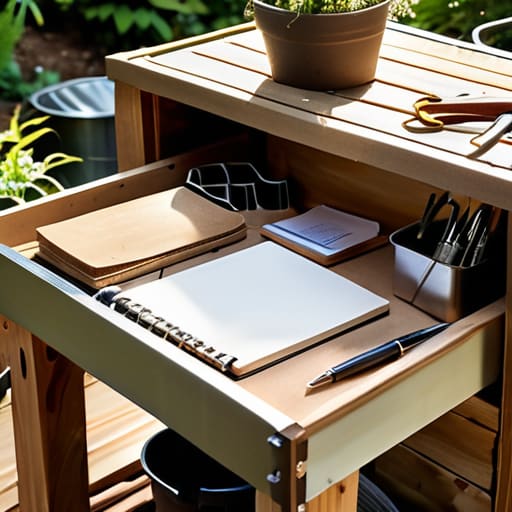
Before you dive into the heavy lifting, I want you to pause and think about the “why” behind your tools. When I’m prepping my bullet journal for a new month, I don’t just grab any pen; I choose ones that actually work with my flow. Building a compost system is no different. As you assemble your compost bin materials list, try to view each item not as a chore, but as an investment in a closed-loop system. Whether you’re sourcing reclaimed wood or a sturdy plastic container, ensure your choices align with your long-term goal of sustainable waste management DIY.
One thing my psychology background has taught me is that friction is the enemy of habit. If your setup is too cumbersome, you won’t stick with it. This is why paying attention to aeration for compost bins is vital; you’ll need tools like a pitchfork or even just some simple PVC pipes to ensure oxygen flows freely. If you’re working with a smaller footprint, you might even consider a specialized vermicomposting setup using worms, which can be incredibly rewarding for indoor or balcony gardeners. Choose materials that make the process feel seamless, not stressful.
Designing for Purpose Perfect Compost Bin Dimensions for Backyard Harmony
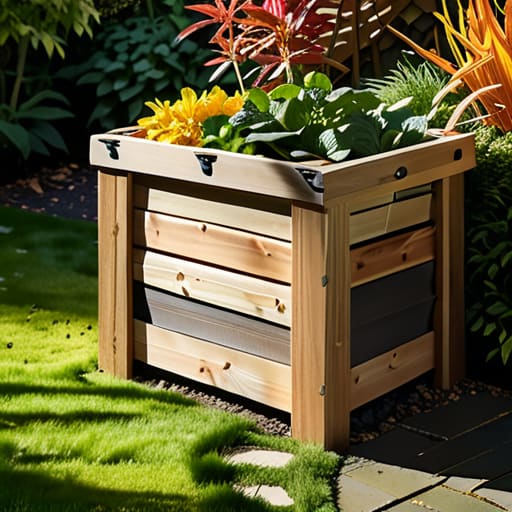
When we talk about designing a space, whether it’s a dedicated workspace or a corner of your garden, scale is everything. It’s easy to get caught up in the excitement of a new project and build something massive, but I’ve learned through my own trial and error that bigger isn’t always better. When deciding on your compost bin dimensions for backyard integration, you have to balance your current waste output with the physical footprint you’re willing to manage. If the bin is too large, you might struggle to maintain the heat necessary for decomposition; if it’s too small, you’ll find yourself constantly managing overflow, which quickly turns a mindful hobby into a stressful chore.
I always recommend aiming for a volume that allows for a healthy core temperature while still being manageable for regular turning. A standard three-foot cube is often the “sweet spot” for many of us, providing enough mass to retain heat while ensuring that aeration for compost bins remains easy to facilitate with a simple pitchfork. Think of it as finding your rhythm: you want a size that fits your lifestyle, ensuring your sustainable waste management DIY project feels like a seamless part of your daily flow rather than an overwhelming addition to your to-do list.
The Psychology of Success: 5 Mindful Tips for a Thriving Compost System
- Embrace the “Green and Brown” Balance: Think of your compost like a balanced diet. Just as we need a mix of macronutrients to feel our best, your bin needs a rhythmic blend of nitrogen-rich greens (like veggie scraps) and carbon-rich browns (like dried leaves) to prevent odors and keep the decomposition process moving smoothly.
- Schedule Your “Turn”: Don’t view turning your compost as a tedious chore, but as a moment of mindfulness. Every week or two, use a pitchfork to aerate the pile; this introduces oxygen, which is the secret ingredient to preventing the “stagnant” feeling that often leads people to abandon their composting journey.
- Manage Your Expectations with Small Wins: If you’re feeling overwhelmed, don’t try to compost everything at once. Start with a small, manageable bin and master that first. In psychology, we call this “chunking”—breaking a large goal into bite-sized, achievable tasks to build lasting momentum.
- Monitor the Moisture, Not Just the Mess: Your compost should feel like a wrung-out sponge. If it’s too dry, the microbes go dormant; if it’s too wet, it gets funky. Checking the moisture level is a great way to practice sensory awareness and stay connected to the natural cycle you’re nurturing.
- Curate Your Inputs Mindfully: Avoid the “more is better” trap. Be intentional about what goes in—skip the meat, dairy, or oily scraps that can attract unwanted guests. By being selective, you’re not just making compost; you’re practicing the art of intentionality, ensuring your bin remains a source of renewal rather than a source of stress.
Finding Your Rhythm with Composting
Remember that composting isn’t just another chore on your to-do list; it’s a mindful practice of returning what is no longer needed back to the earth to fuel future growth.
Don’t get paralyzed by perfectionism when setting up your bin—the most important step is simply starting and adjusting your dimensions and materials as you learn your garden’s unique pace.
Treat your compost pile like a living system that requires balance, much like our own daily routines, to transform raw waste into something truly nourishing and purposeful.
Finding Rhythm in the Rot
“Building a compost bin isn’t just another weekend chore on your to-do list; it’s a beautiful exercise in intentionality, teaching us that even in the process of breaking things down, we are actually creating the foundation for something much more vibrant.”
Ella Thompson
Closing the Loop: From Construction to Cultivation
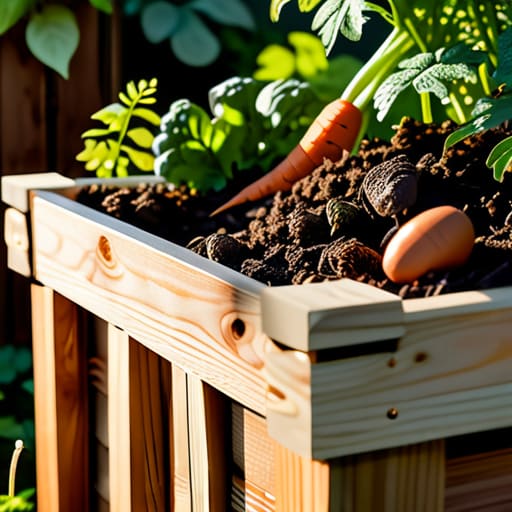
Building your compost bin is more than just a weekend DIY project; it’s a deliberate step toward reclaiming control over your environment. We’ve walked through selecting the right materials, finding those perfect dimensions for your backyard, and gathering the essentials to ensure your new system thrives. Remember, the goal isn’t to create a complicated machine that demands all your attention, but to establish a seamless system that works in harmony with your natural lifestyle. By setting up this structure correctly from the start, you are essentially front-loading the effort to ensure long-term efficiency and minimal waste.
As I sit here watching the sand trickle through one of my vintage hourglasses, I’m reminded that even the most significant transformations happen through small, consistent rhythms. Composting is a beautiful metaphor for the way we approach our own lives: we take the remnants of what was, and through patience and the right environment, we transform them into something rich and nourishing for the future. Don’t get discouraged if the process feels slow at first. Trust in the cycle, embrace the intentionality of your new habit, and remember that you are cultivating growth in more ways than one.
Frequently Asked Questions
How do I keep my compost bin from becoming a smelly eyesore in my backyard?
Trust me, I’ve been there—staring at a messy pile and feeling that instant wave of “productivity guilt.” To keep your bin from becoming a chaotic eyesore, focus on the psychology of balance. Maintain a strict ratio of “greens” (nitrogen) to “browns” (carbon) to prevent odors, and always keep it covered. Think of it like a well-curated planner: when everything has its proper place and proportion, the system flows beautifully without the stress.
What's the best way to balance "greens" and "browns" so I don't end up with a soggy mess?
Think of your compost pile like a balanced routine; too much “doing” (greens) without enough “reflecting” (browns) leads to burnout—or in this case, a soggy, smelly mess. Aim for a ratio of roughly three parts browns to one part greens. I like to visualize it: layer your nitrogen-rich scraps with plenty of carbon-heavy dried leaves or cardboard. This keeps the airflow steady and the decomposition intentional, ensuring your garden thrives without the chaos.
How much time and mental energy do I actually need to commit to maintaining this every week?
I know exactly where your head is at—the fear that a new “system” will just become another source of mental clutter. Honestly? If you set it up with intention, it shouldn’t feel like a chore. Think of it as a ten-minute weekly ritual rather than a heavy lift. A quick turn of the pile and a glance at your moisture levels is all it takes. It’s about micro-habits, not a second job.
