I remember sitting at my desk last Tuesday, staring at my vintage hourglass as the sand trickled down, trying to find my focus, when I spotted it: a single, tiny ant trekking across my pristine planner. My heart sank. It wasn’t just the intrusion; it was the realization that despite my obsession with systems and efficiency, I had missed the tiny cracks in my own environment. We often think that knowing how to prevent pests at home requires a massive, expensive overhaul or a cabinet full of harsh chemicals, but that’s a total myth. In reality, it’s rarely about the big, dramatic interventions and almost always about the micro-habits we overlook in our daily rhythms.
I’m not here to sell you on miracle sprays or complicated, high-stress cleaning schedules that eat up your precious time. Instead, I want to share a psychological approach to home maintenance that focuses on intentionality over intensity. I’m going to walk you through the simple, sustainable shifts in your routine that actually work to keep your sanctuary secure. We’re going to reclaim your space by focusing on the small, meaningful actions that truly protect your peace of mind.
Table of Contents
- Sealing Cracks and Crevices to Protect Your Peace
- Eliminating Food Sources for Pests Through Mindful Living
- Small Shifts, Big Impact: 5 Proactive Habits for a Pest-Free Sanctuary
- Small Shifts, Big Impact: My Final Thoughts on Protecting Your Space
- The Psychology of a Protected Space
- Protecting Your Personal Sanctuary
- Frequently Asked Questions
Sealing Cracks and Crevices to Protect Your Peace
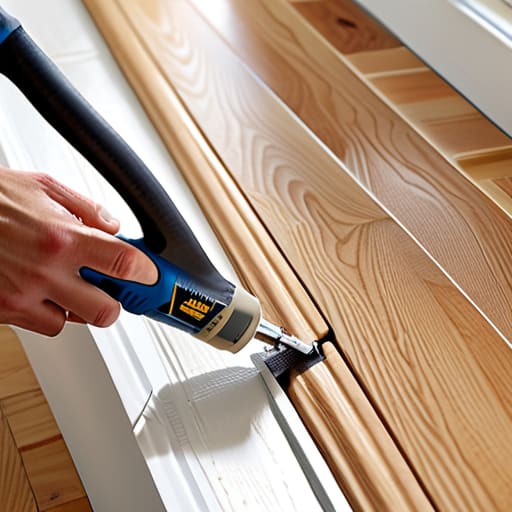
I’ve always found that my most productive days start with a clear space, but it’s hard to feel truly centered when you’re constantly distracted by the tiny, unwanted guests invading your sanctuary. Think of your home like a well-organized planner; if there are gaps in the structure, everything starts to fall apart. Sealing cracks and crevices is essentially the “structural integrity” phase of your home maintenance. I like to grab my toolkit and do a quick sweep around baseboards and window frames. It’s a meditative process, really—closing those tiny entry points so you can focus on what actually matters instead of playing a game of hide-and-seek with ants.
While you’re inspecting those gaps, don’t forget that pests are often just looking for a way to settle in and stay. This is where pest proofing kitchen and pantry areas becomes vital. It’s not just about blocking the doors; it’s about ensuring there are no easy pathways to your snacks. By treating your home as a sealed ecosystem, you aren’t just cleaning; you are proactively designing a space that supports your peace of mind.
Eliminating Food Sources for Pests Through Mindful Living

We often think of pest control as a battle of strength, but in reality, it’s a battle of psychology and discipline. Just as I organize my bullet journal to prevent mental clutter, we need to organize our kitchens to prevent unwanted guests. Eliminating food sources for pests isn’t just about cleaning up a spill; it’s about creating a sustainable system of order. I’ve found that when we treat our pantry with intention—using airtight glass containers instead of flimsy, half-open cardboard boxes—we aren’t just tidying up; we are setting a boundary that says, “this space is managed.”
Think of your kitchen as the heart of your home’s rhythm. When crumbs linger in the toaster tray or a bag of flour sits open, you’re essentially inviting chaos into your sanctuary. Effective pest proofing kitchen and pantry areas requires us to move from reactive cleaning to proactive stewardship. By making the habit of a “nightly reset”—wiping down counters and ensuring no food is left exposed—you reduce the cognitive load of worrying about infestations. It’s about reclaiming your space through small, mindful actions that protect both your home and your peace of mind.
Small Shifts, Big Impact: 5 Proactive Habits for a Pest-Free Sanctuary
- Master the Art of Moisture Control. Just as a cluttered mind feels heavy, a damp home invites unwanted guests. I always remind my clients that moisture is a magnet for pests; check under your sinks for slow leaks and ensure your bathroom vents are working efficiently to keep your space dry and disciplined.
- Declutter with Intention. We often hold onto “stuff” that actually provides the perfect nesting ground for insects. Take a page from my bullet journaling practice: audit your storage areas. By clearing out old cardboard boxes and unnecessary paper piles, you’re removing the hiding spots that pests rely on.
- Manage Your Waste Routine. It’s easy to let a trash can overflow when we’re in the zone, but that’s a recipe for trouble. Treat your waste disposal like a scheduled task in your planner—empty bins nightly and ensure lids are tightly sealed to break the cycle of attraction.
- Create a Perimeter of Awareness. Think of your home’s exterior as your personal boundary. Keep your landscaping tidy and ensure branches aren’t touching your roof; these are essentially “bridges” for pests to bypass your defenses and enter your sanctuary.
- Audit Your Pantry Regularly. We all have those “forgotten” corners in the pantry. Every few weeks, do a quick sweep of your dry goods. Using airtight glass containers isn’t just aesthetically pleasing for my organized soul—it’s a psychological and physical barrier that keeps your food (and the pests) exactly where they belong.
Small Shifts, Big Impact: My Final Thoughts on Protecting Your Space
Think of home maintenance as a form of mindfulness; by addressing small cracks and crumbs today, you’re proactively protecting your mental peace for tomorrow.
Shift your perspective from “fighting pests” to “cultivating a sanctuary” by focusing on the intentional habits that make your home less inviting to intruders.
Remember that consistency beats intensity—it’s not about a massive deep clean once a year, but about the small, rhythmic routines that keep your environment in balance.
The Psychology of a Protected Space
“Preventing pests isn’t just about cleaning up crumbs; it’s about creating a mindful environment where your home becomes a sanctuary of intention rather than a chaotic space for unwanted guests to settle in.”
Ella Thompson
Protecting Your Personal Sanctuary
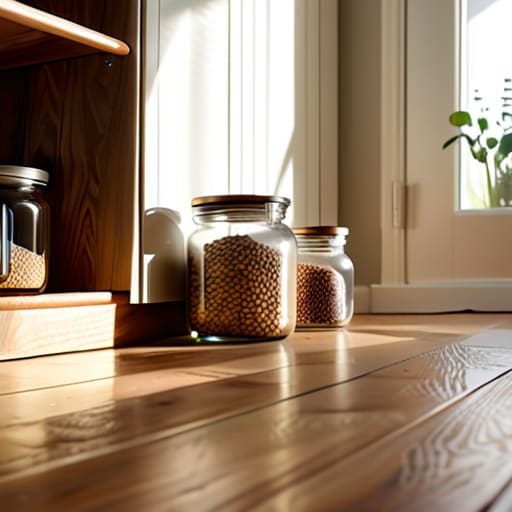
At the end of the day, keeping pests at bay isn’t about a sudden, frantic deep-clean when you spot a stray beetle; it’s about the small, consistent systems we build into our daily routines. By taking the time to seal those tiny entry points and being more intentional about how we store our food, we aren’t just cleaning a kitchen—we are actively managing our environment to prevent chaos before it starts. It’s much easier to maintain a steady rhythm of preventative maintenance than it is to scramble when an infestation disrupts your focus and your peace of mind.
I truly believe that our homes should be the ultimate space for restoration, not another source of stress on our to-do lists. When we approach home maintenance through the lens of mindful living, we transform mundane chores into acts of self-care that protect our sanctuary. Don’t feel like you have to overhaul your entire life overnight. Just pick one small habit, master it, and watch how much more control you feel over your space. You deserve a home that feels as calm and organized as the life you are working so hard to build.
Frequently Asked Questions
I’ve been sealing everything up, but how do I know if I’ve actually missed a hidden entry point?
That’s such a common frustration! When we focus on the big tasks, it’s easy to feel like we’re missing those tiny, invisible details. I like to use a “detective mindset” here. Grab a flashlight and run it along your baseboards and under the sink during the quiet hours—sometimes, if you’re patient, you’ll actually spot movement. If you see droppings or small gnaw marks, you’ve found your culprit. Trust your intuition; your home will tell you its secrets.
Are there specific, natural ways to keep pests away that won't disrupt the calm environment I'm trying to build at home?
I completely hear you. When we’re working so hard to curate a peaceful sanctuary, the last thing we want is a harsh, chemical scent disrupting our flow. I love using aromatherapy as a dual-purpose tool. Peppermint and eucalyptus essential oils are incredible; a quick spray of diluted oil near entry points acts as a natural deterrent. It’s a small, intentional ritual that protects your space while keeping your environment smelling like a spa.
How can I stay consistent with these maintenance habits without feeling like my cleaning routine has become another overwhelming chore?
The secret is to stop viewing maintenance as a “cleaning day” and start seeing it as a micro-habit. Think of it like my vintage hourglasses: small, intentional intervals. Instead of a daunting weekend marathon, try the “two-minute rule.” If you see a crumb or a gap, address it immediately. By integrating these tiny actions into your existing flow, you prevent the mental load of a massive chore from ever accumulating. Focus on the rhythm, not the task.
