I was sitting at my desk yesterday, deep in a flow state and trying to map out my weekly intentions in my bullet journal, when it happened: that piercing, rhythmic screech from the hallway. It felt like a physical jolt to my nervous system, instantly shattering the quiet focus I had worked so hard to cultivate. We often think that minor household annoyances are just background noise, but as someone who studies the psychology of productivity, I know that these tiny sensory interruptions are actually cognitive drains. If you are wondering how to fix a squeaky door without letting the frustration derail your entire afternoon, you aren’t alone; it’s not just about the noise, it’s about reclaiming your mental space.
In this guide, I’m skipping the complicated DIY projects that require a full workshop and getting straight to the point. I’ll show you exactly how to fix a squeaky door using simple, effective methods that respect your limited time and energy. Whether you have a can of lubricant on hand or need a quick hack from your kitchen pantry, I promise to provide no-nonsense, actionable steps to silence that distraction once and for all.
Table of Contents
- Step-by-Step Instructions
- The Psychology of Friction Why Small Noises Disrupt Focus
- Mastering the Art of Lubricating Door Hinges for Lasting Peace
- Five Pro-Tips for a Seamless, Silent Home Environment
- Small Wins for a Calmer Workspace
- The Silent Cost of Small Distractions
- Reclaiming Your Quiet Space
- Frequently Asked Questions
Guide Overview
Tools & Supplies
- Screwdriver (to tighten loose hinge screws)
- Microfiber cloth (to wipe away excess lubricant)
- Lubricant (WD-40, silicone spray, or lithium grease, 1 small can)
- Paper towels (to catch drips, 2-3 sheets)
Step-by-Step Instructions
- 1. First, I always like to gather my tools before diving into a task; it prevents that frantic “where is the screwdriver?” search that shatters your momentum. Grab a can of lubricant (WD-40 works for a quick fix, but a silicone spray is better for longevity), some paper towels, and perhaps a hammer and a large nail or a screwdriver to help you if the hinge pins are stubborn.
- 2. Once you’re ready, identify exactly which hinge is the culprit by gently swinging the door back and forth. I’ve found that once you pinpoint the source, you can approach the problem with much more intention rather than just spraying oil blindly everywhere.
- 3. If the squeak is persistent, you’ll need to remove the hinge pin to get deep into the mechanism. Place a nail or a screwdriver at the bottom of the pin and give it a gentle tap with your hammer until the pin pops upward; just be careful not to go too heavy-handed and damage the metal.
- 4. Take that pin over to a paper towel and wipe away any old, gritty residue or dust that might be causing the friction. This is a bit like clearing out the mental clutter in my bullet journal—you have to remove the old junk before you can make room for something that actually works smoothly.
- 5. Apply a thin, even layer of your lubricant directly onto the pin. I prefer using a silicone-based spray because it doesn’t attract as much dust over time, which means you won’t have to repeat this chore quite as often.
- 6. Slide the pin back into the hinge carefully, ensuring it’s seated properly. If it feels a bit tight, don’t force it; just a little more lubricant should do the trick to help it glide back into place without a struggle.
- 7. Finally, swing the door open and closed a few times to distribute the lubricant evenly through the joint. If you still hear a tiny bit of noise, don’t get frustrated—just add a tiny bit more oil and give it one more go until you achieve that satisfying, silent movement.
The Psychology of Friction Why Small Noises Disrupt Focus
Ever wonder why a tiny, repetitive sound can suddenly make you want to pull your hair out? As someone with a background in psychology, I can tell you it isn’t just “noise”—it’s a cognitive disruptor. Our brains are hardwired to scan for anomalies in our environment. When that door squeaks, your subconscious flags it as an unexpected interruption, pulling your attention away from deep work and forcing your brain to expend energy processing a stimulus it can’t ignore. This is what I call micro-friction, and it’s a silent thief of your mental bandwidth.
By addressing the issue through proper door hinge maintenance tips, you aren’t just fixing a piece of hardware; you are protecting your flow state. Whether you decide on using a specialized silicone spray for hinges or a quick application of a household lubricant, the goal is to eliminate the sensory trigger. When we clear these small, physical irritants from our space, we reduce the “background noise” in our minds, allowing us to reclaim our focus and return to the tasks that actually move the needle in our lives.
Mastering the Art of Lubricating Door Hinges for Lasting Peace
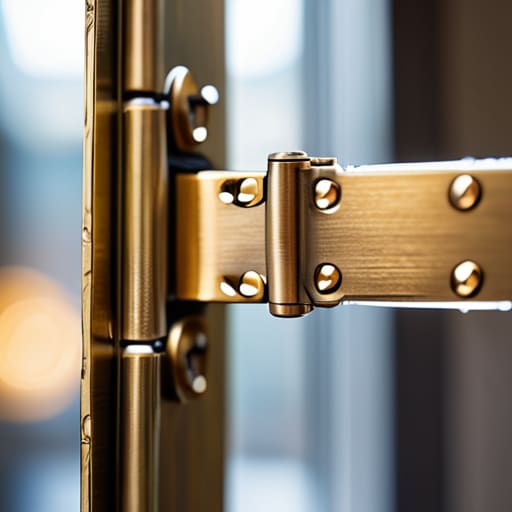
Once you’ve tackled the initial squeak, the real goal is preventing it from creeping back into your headspace. I like to think of this as preventative maintenance for your environment. If you want a solution that actually lasts, I highly recommend moving beyond a quick spray and looking into silicone spray for hinges. While many people reach for the classic blue can of WD-40 for squeaky doors, that formula is often a degreaser that can actually strip away existing grease over time. For a more sustainable “set it and forget it” approach, a silicone-based lubricant provides a much smoother, longer-lasting barrier that won’t attract as much dust.
If you’re feeling particularly meticulous—the kind of person who finds peace in a perfectly organized bullet journal—try removing the door pin for lubrication. By pulling the pin out entirely, wiping it clean, and applying a thin layer of grease before reinserting it, you’re addressing the friction at its very core. This deep cleaning is one of my favorite door hinge maintenance tips because it ensures the metal surfaces are truly protected, allowing you to maintain that precious, silent flow state in your home.
Five Pro-Tips for a Seamless, Silent Home Environment
- Don’t just spray and pray; if the squeak persists, pull the pin out entirely to clean the hinge from the inside out so you aren’t just masking the problem.
- Keep a small tin of petroleum jelly in your junk drawer—it’s a quick, mess-free way to silence a door without the heavy chemical smell of aerosol sprays.
- Always keep a few old rags nearby to catch any excess lubricant, because nothing ruins a productive flow like a greasy smudge on your favorite door frame.
- Listen closely to the rhythm of the squeak; if it’s a sharp, rhythmic sound, you likely need more lubrication, but if it’s a grinding noise, you might actually need to tighten the hinge screws.
- Make “maintenance micro-moments” a habit—checking your hardware once a season prevents those tiny, jarring distractions from creeping back into your workspace.
Small Wins for a Calmer Workspace
Don’t underestimate the power of “micro-fixes”; addressing a tiny, nagging distraction like a squeaky door can significantly reduce your cognitive load and preserve your mental energy for deep work.
Treat maintenance as a mindfulness practice, using these small moments of home care to transition between tasks and reset your focus.
Remember that true productivity is about creating an environment that supports your flow, which means proactively eliminating the sensory friction that pulls you away from what truly matters.
The Silent Cost of Small Distractions
“We often overlook the tiny, grating interruptions in our environment, but a squeaky door is more than just a nuisance; it’s a micro-friction that pulls you out of your flow. Fixing it isn’t just about maintenance—it’s about reclaiming the mental quiet you need to do your best work.”
Ella Thompson
Reclaiming Your Quiet Space
Fixing that squeaky door is about more than just a quick application of lubricant or a few minutes of maintenance; it’s about identifying and removing the tiny, persistent irritants that chip away at your mental clarity. We’ve covered everything from the technical steps of cleaning and lubricating those stubborn hinges to understanding why that one sharp, repetitive sound can actually disrupt your cognitive flow so deeply. By taking a few moments to address these small mechanical frictions, you aren’t just fixing a piece of hardware—you are actively protecting your environment from unnecessary distractions.
As I sit here at my desk, watching the sand slowly trickle through one of my vintage hourglasses, I’m reminded that our lives are often shaped by these micro-moments. We spend so much energy trying to tackle the massive, overwhelming projects, yet we often neglect the small, nagging issues that drain our focus in the background. I want you to look around your workspace today and ask yourself: what small “squeak” is currently stealing my peace? Remember, true productivity isn’t just about the big wins; it’s about cultivating a sanctuary where you can finally do what truly matters without interruption.
Frequently Asked Questions
I tried using WD-40, but the squeak came back a week later; what should I use instead for a long-term fix?
I’ve been there—that momentary win of silence, only for the annoyance to return days later. The truth is, WD-40 is a great cleaner, but it’s a poor long-term lubricant because it evaporates quickly. For a permanent fix that actually honors your need for focus, grab a tube of white lithium grease or a silicone-based spray. They cling to the metal much longer, ensuring that tiny distraction stays gone for good.
Is it possible that the squeak isn't coming from the hinges at all, but from the door rubbing against the frame?
It’s actually very possible—and honestly, quite common! If the sound is more of a rhythmic “scuff” rather than a high-pitched squeak, your door might be rubbing against the frame. This usually happens because of seasonal humidity shifts or a slightly loose hinge. Before you reach for the oil, check for visible wear marks on the wood. Identifying this distinction is key; we want to solve the actual source of friction, not just mask it.
How often should I actually be maintaining my door hardware to prevent these little distractions from popping up in the first place?
Think of door maintenance like your morning skincare routine—consistency is better than a monthly overhaul. I usually recommend a quick check every six months. If you live in a high-traffic home or a humid environment, you might need to lubricate those hinges quarterly. By catching that tiny, rhythmic creak before it becomes a piercing squeak, you’re essentially protecting your mental flow. A little proactive care saves a lot of future frustration.
