I was sitting on my floor last Sunday, surrounded by a mountain of old concert tickets, chipped mugs, and high school journals, feeling completely paralyzed. My mind kept racing with this irrational fear that if I let go of a faded polaroid, I’d somehow lose the memory itself. We’ve been sold this lie that our worth is tied to the physical hoard of our past, but the truth is that decluttering sentimental items isn’t about erasing your history; it’s about deciding which parts of it actually deserve a seat at your table today.
I’m not here to give you some clinical, five-step organizational system that feels more like a chore than a lifestyle. Instead, I want to share the psychological shifts I’ve learned through my studies and my own messy journey of letting go. I promise to give you a no-nonsense roadmap for navigating the guilt and the grief that comes with thinning out your treasures. We are going to focus on reclaiming your space so you can stop living in a museum of who you used to be and finally start making room for the life you’re actually living.
Table of Contents
Understanding the Emotional Attachment to Belongings

Why do we cling so tightly to that chipped ceramic mug or a stack of old concert tickets? From a psychological standpoint, our objects often act as “externalized memories.” We aren’t just holding onto physical matter; we are holding onto the version of ourselves that existed when we first acquired them. This intense emotional attachment to belongings can trigger a genuine sense of loss, making the act of tidying feel less like organization and more like an erasure of our own history.
I remember staring at my grandmother’s old sewing kit for an hour, feeling a heavy knot of anxiety in my chest. I felt like if I moved it, I was somehow losing my connection to her. This is where overcoming decluttering guilt becomes a mental game rather than a physical one. We have to realize that the essence of a person or an era isn’t stored in the fabric of a sweater or the weight of a trinket. When we shift our focus from the object to the feeling it evokes, we begin to understand that we can honor our past without letting it crowd out our present.
Overcoming Decluttering Guilt to Reclaim Your Space
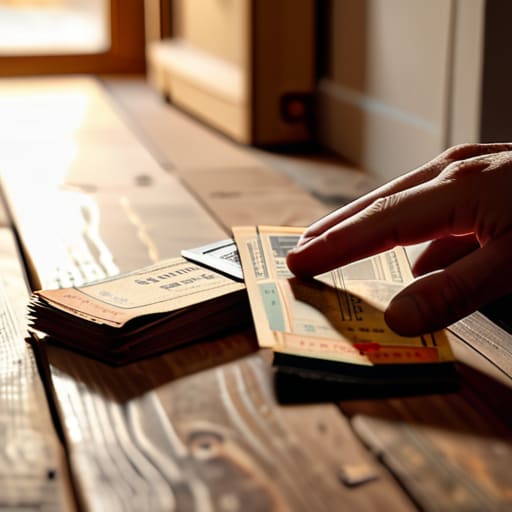
I remember sitting on my living room floor last spring, surrounded by boxes of old letters and chipped ceramics, feeling an overwhelming sense of betrayal. It felt like if I tossed a faded concert ticket, I was somehow tossing the memory of that night itself. This is the heart of overcoming decluttering guilt: realizing that your identity isn’t stored in a cardboard box. We often mistake the physical object for the experience, but the truth is that the joy of the moment lives in you, not in the dust-gathering trinket on your shelf.
To move forward, I’ve found it helpful to shift my perspective from “losing” to “curating.” Instead of viewing this as a loss, treat it as an intentional act of selecting what truly deserves a place in your current life. When you’re figuring out how to downsize heirlooms, try the “digital bridge” method. Take a high-quality photo of the item before letting it go. This allows you to practice memory preservation techniques without the physical burden, ensuring the essence of the heirloom remains accessible while your physical space finally breathes again.
Five Mindful Strategies to Honor Your Memories Without the Clutter
- Curate a “Memory Box” to set physical boundaries. Instead of letting keepsakes spill across every surface of your home, choose one beautiful, high-quality container. This allows you to keep the essence of the memory intact while reclaiming your living space from the chaos.
- Digitization is your new best friend. If a bulky item—like an old high school yearbook or a stack of handwritten letters—is taking up too much mental and physical bandwidth, scan it. A high-resolution photo of a sentimental object preserves the visual memory without the heavy lifting.
- Practice the “Photo Ritual” before letting go. When you encounter an item that feels too heavy to keep but too precious to toss, take a mindful moment to snap a photo of it. This honors the connection you had with the object and allows you to store the memory in a digital space that doesn’t demand floor area.
- Evaluate the “Energy Exchange” of your belongings. Ask yourself: “Does this item spark joy or does it spark a sense of obligation?” If you’re keeping something solely because you feel you should, you’re letting a ghost of your past dictate your present rhythm.
- Rehome items with intention. If you have sentimental items that no longer serve your current season of life, consider gifting them to someone who will truly cherish them. Knowing an object is continuing its journey with someone else can turn the sting of letting go into a beautiful act of generosity.
Finding Your Rhythm in the Release
Shift your perspective from “losing a memory” to “honoring a moment”; remember that the essence of a cherished experience lives within you, not in the physical object gathering dust on a shelf.
Implement the “Digital Preservation” rule to ease the transition; by photographing items that hold deep emotional value, you can preserve the visual memory without letting the physical clutter disrupt your mental clarity.
Curate a “Legacy Box” to create healthy boundaries; instead of letting sentimentality bleed into every corner of your home, choose a few meaningful pieces to display intentionally, allowing you to live in the present while still respecting your past.
## Redefining What We Carry
“We often mistake the accumulation of things for the preservation of memories, but true presence isn’t found in a box of old keepsakes; it’s found in the mental clarity we gain when we stop letting our past clutter the space meant for our future.”
Ella Thompson
Making Space for the Present
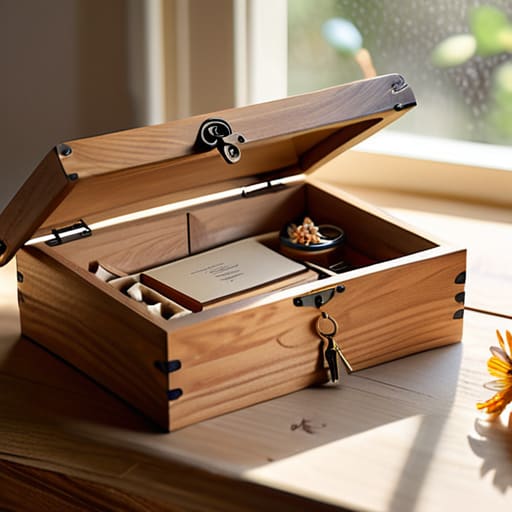
As we wrap this up, I want you to remember that decluttering your sentimental items isn’t a betrayal of your past; it’s an act of intentionality. We’ve explored how our brains attach deep emotional significance to physical objects and how that can lead to a heavy sense of guilt. But by shifting our focus from what we are “losing” to what we are actually gaining, we can break that cycle. Whether you choose to digitize old letters, curate a small memory box, or simply let go of that dusty trinket, you are reclaiming your mental bandwidth. Remember, the goal isn’t to erase your history, but to ensure that your memories aren’t buried under a mountain of stuff.
I often find myself sitting with one of my vintage hourglasses when I feel overwhelmed by the sheer volume of my own belongings, watching the sand fall and reminding myself that time is our most precious resource. Don’t spend your limited energy managing the weight of yesterday. Instead, use that reclaimed space—both in your home and in your mind—to cultivate the life you are living right now. You deserve a sanctuary that reflects your current self, not just a museum of who you used to be. Trust your rhythm, honor your journey, and breathe easier knowing you finally have the room to grow.
Frequently Asked Questions
How can I honor the memory of a loved one without keeping every single physical object they touched?
I often find myself staring at my vintage hourglasses, thinking about how time flows—we can’t hold onto every grain of sand, but we can cherish the movement. To honor someone without the clutter, try “curating” rather than “collecting.” Pick one meaningful heirloom or a small photo collection that truly captures their essence. You can even digitize letters or create a memory box. It’s about preserving the feeling of their presence, not the physical weight of their things.
Is there a way to decide which items are truly meaningful versus which ones I'm just holding onto out of habit?
I always tell my clients to try the “Memory vs. Object” test. When you pick something up, ask yourself: “Am I mourning the item, or the feeling it represents?” If you’re just holding onto a dusty trophy out of habit, the connection is likely stale. To break the cycle, try photographing the item instead. You keep the visual memory without the physical clutter, allowing you to honor the past without letting it occupy your present.
What should I do if my family members or partner get upset when I try to declutter items that hold sentimental value to them?
This is where productivity meets the messy reality of human connection. When a partner or family member pushes back, remember: you aren’t just managing objects; you’re navigating emotions. Don’t make it a solo mission. Sit them down and explain your “why”—that you’re seeking mental clarity, not erasing memories. Try a compromise: designate one “memory box” for their treasures. This honors their sentiment while still protecting the shared sanctuary of your home.
