We live in a world that is constantly demanding our attention, pulling us into a whirlwind of notifications, deadlines, and endless mental chatter. I know this feeling all too well; growing up in the heart of a bustling city, I often felt like my brain had too many tabs open at once. We think we need more time to be productive, but what we actually need is intentional stillness. Finding a way to disconnect isn’t just a luxury; it’s a psychological necessity for mental clarity. That is why I am so passionate about exploring cozy reading nook ideas that do more than just look pretty on a Pinterest board—they serve as physical anchors for your focus.
In this post, I’m moving beyond the surface level to share five specific ways you can transform a neglected corner of your home into a true sanctuary. I’ll show you how to curate a space that rewires your brain for presence and deep immersion. Whether you have a sprawling living room or a tiny studio apartment, these curated elements will help you reclaim your time and create a ritual of rest that actually fuels your creativity. Let’s build your personal retreat.
Table of Contents
The Window Seat Sanctuary

There is something deeply psychological about being near a natural light source while you read. I’ve always found that a window seat acts as a bridge between your inner world and the external environment, allowing you to feel connected to the rhythm of the day without being distracted by it. When I’m feeling particularly overwhelmed by my schedule, I head straight for a sun-drenched corner to reset my focus.
The Corner Armchair Cocoon
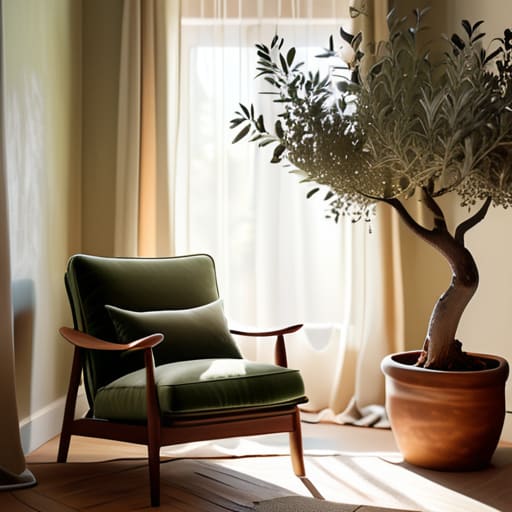
Sometimes, the best way to reclaim your mental space is to physically tuck yourself away into a corner. I love a deep, oversized armchair that feels like a hug from the moment you sit down. In my own home, I’ve found that placing a chair in a corner minimizes visual noise, which is a huge win for anyone struggling with a wandering mind or a cluttered to-do list.
The Low-Light Library Nook
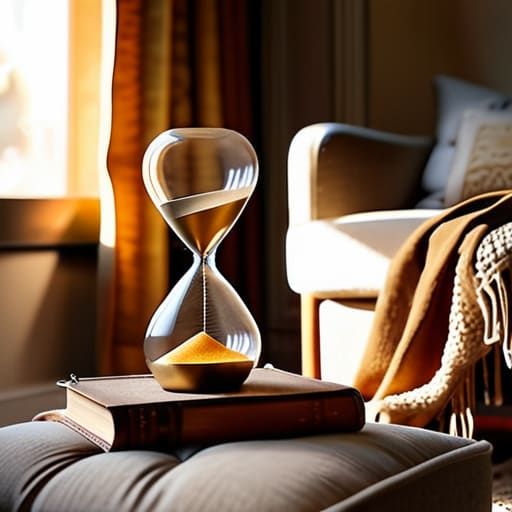
We often underestimate how much lighting affects our cognitive state. If you want to signal to your nervous system that it’s time to wind down, skip the harsh overhead lights and opt for a dedicated reading lamp with a warm, amber glow. I actually keep one of my vintage hourglasses on my reading table to remind myself to slow down and savor the chapter rather than rushing through it.
The Floor-Based Zen Den
Not every reading nook needs to be elevated; sometimes, getting closer to the ground can actually help you feel more grounded. I’ve spent many productive afternoons sitting on a pile of oversized floor cushions, surrounded by a few well-loved books. This setup is incredibly flexible and works perfectly for those of us living in urban spaces where furniture real estate is at a premium.
The Botanical Retreat
Bringing nature indoors is one of the most effective ways to reduce cortisol levels and boost your mood. I’m a firm believer that a reading nook surrounded by greenery feels significantly more restorative than a sterile corner. Whether it’s a large monstera leaning over your shoulder or a few small succulents on a shelf, plants add a sense of living energy to your quiet moments.
Reclaiming Your Focus Through Intentional Spaces
A reading nook isn’t just about furniture; it’s a psychological cue that tells your brain it is time to shift from “doing” mode into “being” mode.
Prioritize sensory comfort—like the right lighting or a soft texture—to lower your cortisol levels and make deep reading a sustainable habit.
Don’t wait for a spare room to appear; use small, intentional corners to create a dedicated sanctuary that honors your need for stillness in a busy world.
The Psychology of Stillness
“A reading nook isn’t just a corner with a chair; it is a psychological boundary that tells your brain the rush of the world has ended and your time for presence has finally begun.”
Ella Thompson
Reclaiming Your Quiet Moments
As we’ve explored, building the perfect reading nook isn’t about buying the most expensive velvet armchair or the trendiest floor lamp on Pinterest. It’s about the intentional layering of elements—the soft textures of a weighted blanket, the targeted warmth of ambient lighting, and the psychological cue of a dedicated corner—that tells your brain it is finally time to decompress. Whether you’ve carved out a space in a sunny window or tucked a small chair into a quiet hallway, you are essentially designing a sensory sanctuary that protects your focus from the relentless noise of our digital lives.
At the end of the day, I want you to remember that your productivity is deeply tied to how well you rest. We often feel guilty for stepping away from our to-do lists, but I’ve learned through my own journey with bullet journaling and time management that true efficiency requires intentional stillness. Don’t view your new reading nook as just another task on your home improvement list; see it as a vital investment in your mental well-being. Go ahead, grab that book, sink into your new space, and remember that doing nothing is sometimes the most productive thing you can do for your soul.
Frequently Asked Questions
How can I create a dedicated reading nook if I live in a small apartment with very limited floor space?
When floor space is a luxury, stop thinking horizontally and start thinking vertically. I always tell my clients that “space” isn’t just square footage; it’s about intentionality. Try a hanging egg chair to clear the floor, or reclaim a corner of your bedroom with a plush floor cushion and a slim, wall-mounted floating shelf for your books. Even a window seat can become a sanctuary. It’s about carving out a psychological boundary, not just a physical one.
What are some ways to use sensory elements, like lighting or scent, to help my brain transition into "reading mode" more quickly?
Think of your senses as the “on switch” for your focus. I love using scent to create a Pavlovian response; whenever I light a specific sandalwood candle, my brain knows it’s time to wind down. Pair that with warm, low-level lighting—avoid those harsh overhead LEDs—to signal to your nervous system that the workday is officially over. These small sensory cues bridge the gap between a chaotic schedule and deep, intentional presence.
How do I balance the desire for a cozy, comfortable space with the need to stay focused and avoid falling asleep immediately?
It’s a delicate dance, isn’t it? I used to struggle with this too—turning my nook into a nap zone! The trick is sensory signaling. Use “active” comfort: choose a supportive chair rather than a soft sofa, and keep lighting bright enough to signal alertness to your brain. I personally use a specific scent, like peppermint, only when I’m reading. It creates a psychological boundary that says, “We are engaging, not retreating.”
