I remember sitting in my tiny apartment during my first year at Berkeley, staring at a sad, limp pile of broccoli and feeling completely defeated. I had all these high-level psychology notes on my desk, but I couldn’t figure out the most basic life skill: how to cook vegetables without turning them into a mushy, flavorless mess. For the longest time, I fell for the myth that you needed expensive gadgets or a culinary degree to make greens actually taste good. I wasted so much time and energy following convoluted recipes that felt more like chores than nourishment, completely missing the point of why I was even cooking in the first place.
I’m not here to give you a list of complicated techniques that require a pantry full of exotic ingredients. Instead, I want to share a streamlined, psychology-backed approach to meal prep that focuses on efficiency and flavor. We are going to strip away the fluff and focus on the fundamental methods that respect both your time and your taste buds. My goal is to show you how to master the basics so that eating well becomes a seamless part of your rhythm, rather than another draining task on your to-do list.
Table of Contents
Mastering Healthy Vegetable Preparation Methods
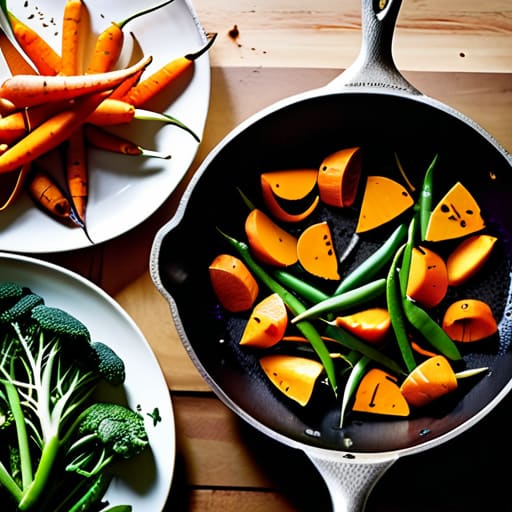
When I first started my journey into time management, I realized that my energy levels were directly tied to how I fueled my body. If I was rushing through a meal, I was likely neglecting the very techniques that keep my brain sharp. One of the most effective ways to optimize your nutrition is by mastering healthy vegetable preparation methods that respect both your schedule and your biology. For instance, I often find myself debating steaming vs roasting vegetables depending on my daily goals. Steaming is my go-to for a quick, nutrient-dense lunch, while roasting offers that deep, caramelized flavor that makes a slow Sunday dinner feel truly restorative.
Beyond just the heat, it’s about the intention behind the seasoning. I’ve learned that finding the best seasoning for vegetables—like a splash of high-quality olive oil, flaky sea salt, or a squeeze of fresh lemon—can transform a mundane side dish into something that feels like a reward. To keep things efficient during a hectic work week, I always keep a few essential vegetable cooking tools on hand, like a high-quality chef’s knife and a versatile steamer basket. This allows me to prepare vibrant, nourishing meals without letting the process become a source of stress.
Essential Vegetable Cooking Tools for Mindful Living
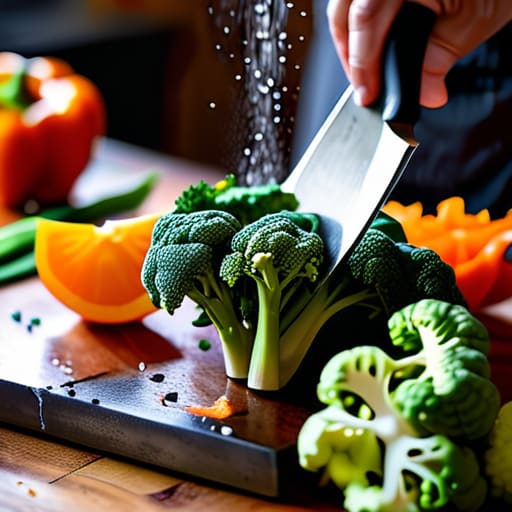
When I first started my journey into intentional living, I thought a high-end knife set was the only way to feel “professional” in the kitchen. But through my psychology lens, I realized that the right tools aren’t about status; they are about reducing the cognitive load of meal prep. If your tools are clunky or dull, you’re subconsciously creating friction that makes you want to skip healthy eating altogether. To truly master essential vegetable cooking tools, I recommend investing in a high-quality chef’s knife and a versatile steamer basket. A sharp blade makes slicing a meditative ritual rather than a chore, while a steamer basket is one of the most effective ways of retaining nutrients in vegetables without the mess of boiling water.
Beyond the basics, I’ve found that having a heavy-bottomed cast iron skillet or a sturdy sheet pan changes the entire energy of your cooking process. Whether you are debating steaming vs roasting vegetables to find your perfect texture, having the right surface matters. A good pan allows you to transition from quick sautéing to slow roasting with ease, making it much simpler to whip up quick vegetable side dishes even on your most chaotic workdays.
Five Mindful Habits for Elevating Your Vegetable Game
- Respect the Seasonality. Just like I plan my weekly spreads around my energy levels, try planning your meals around what’s actually in season. When you cook with vegetables at their peak, you aren’t just getting better flavor; you’re working with nature’s natural rhythm, which makes the entire process feel less like a chore and more like a celebration.
- Master the Art of the “Quick Prep.” I used to feel so overwhelmed by the thought of chopping, but I’ve learned that a little bit of prep goes a long way. Spend ten minutes on a Sunday evening washing and slicing your staples. It’s the culinary equivalent of setting out your clothes the night before—it removes the friction between you and a healthy meal.
- Don’t Fear the Heat. We often think “healthy” means steaming everything until it’s mushy, but that’s a recipe for boredom. Roasting vegetables at a high temperature creates caramelization, which is basically a psychological win for your taste buds. That crunch and sweetness make you actually want to eat your greens.
- Season with Intention. I always tell my clients that small, consistent actions lead to big results, and the same applies to your pan. Don’t just throw salt on everything; experiment with acidity like lemon juice or zest, or a dash of toasted spices. It turns a simple side dish into a mindful experience that engages all your senses.
- Embrace the “Scraps.” In my productivity coaching, I talk a lot about minimizing waste to maximize efficiency. Apply that to your kitchen! Those broccoli stalks or onion skins aren’t trash—they are the building blocks for a nutrient-dense vegetable stock. It’s a beautiful way to practice mindfulness by honoring the entire lifecycle of your food.
Bringing Intentionality to Your Kitchen Routine
Stop viewing meal prep as a chore and start seeing it as a ritual; choosing the right cooking method is actually an act of self-care that preserves both nutrients and your mental energy.
Invest in tools that serve your rhythm, not just your recipe—the right equipment should reduce friction in your daily flow rather than adding more clutter to your mental load.
Remember that productivity in the kitchen isn’t about speed, but about making conscious choices that fuel your body and align with your long-term wellness goals.
Cooking as a Ritual of Self-Care
“When we approach cooking vegetables not as a chore to be checked off a list, but as a mindful ritual of nourishment, we stop merely fueling our bodies and start intentionally honoring them.”
Ella Thompson
Finding Your Rhythm in the Kitchen
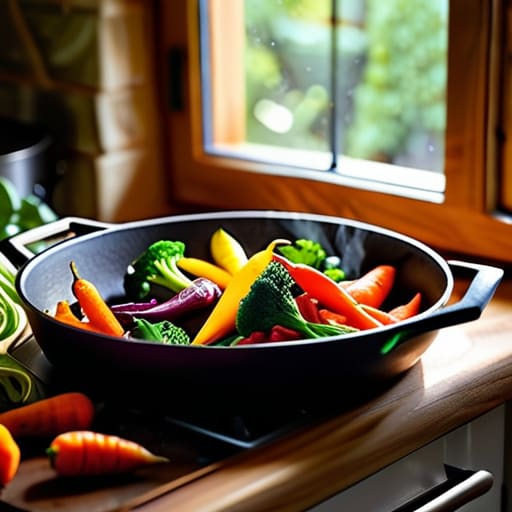
As we wrap up this journey into the art of vegetable preparation, I hope you see that cooking isn’t just another chore to check off your daily to-do list. By mastering diverse techniques—from the quick energy of a high-heat stir-fry to the slow, meditative process of roasting—and investing in a few quality tools, you are doing more than just making food. You are actually optimizing your most important fuel source. Remember, the goal isn’t to become a Michelin-star chef overnight; it’s about building a sustainable system where nutritious, vibrant meals become a seamless part of your lifestyle rather than a source of decision fatigue.
At the end of the day, I want you to remember my core philosophy: productivity is about intentionality. When you take the time to thoughtfully prepare your vegetables, you are practicing a form of mindfulness that carries over into every other area of your life. Don’t let the pursuit of perfection paralyze you. Instead, embrace the small wins—the perfectly tender broccoli or the vibrant roasted carrots—and use these moments to find your own unique rhythm. You have the power to transform your routine into a ritual of self-care, one delicious, nutrient-dense bite at a time. You’ve got this.
Frequently Asked Questions
How can I prep my vegetables on Sunday so they don't lose their crunch or nutrients by Wednesday?
The Sunday Prep Paradox: Keeping Your Veggies Vibrant All Week
Is it actually better for my mental energy to cook everything from scratch, or is using frozen veggies a valid way to stay productive?
Here’s the truth: perfectionism is the enemy of productivity. While I love the meditative ritual of chopping fresh produce, forcing yourself into a “from scratch” mindset when you’re mentally drained is a recipe for burnout. Frozen veggies are a total productivity hack—they’re nutrient-dense and eliminate decision fatigue. Don’t let the pursuit of the “perfect” meal drain your cognitive battery. Use the shortcuts so you can save your energy for what truly matters.
How do I balance the desire for flavorful, roasted vegetables with the need to keep my meal prep quick and stress-free during a busy work week?
I completely get this. When my calendar is overflowing, the last thing I want is a sink full of dishes. My secret? The “Sheet Pan Strategy.” Instead of individual pots, toss your veggies in olive oil and spices on one large tray and let the oven do the heavy lifting while you focus on deep work. It’s all about batch-prepping your seasonings on Sunday so that weekday roasting becomes a mindless, delicious ritual.
