I used to think that learning how to cook on a budget meant settling for a lifetime of bland, uninspired meals—think endless bowls of plain rice or those sad, wilted frozen vegetables that taste like nothing. We’ve been sold this myth that eating well requires a massive grocery haul of “superfoods” and artisanal ingredients, but honestly? That’s just a recipe for decision fatigue and a drained bank account. As someone who obsesses over optimizing every minute of my day, I realized that the most expensive way to eat is by being reactive rather than intentional.
I’m not here to give you a list of restrictive diets or complicated recipes that require a chemistry degree. Instead, I want to share how you can apply a little bit of psychological intentionality to your kitchen routine to make meal prep feel seamless rather than burdensome. I’m going to walk you through my own proven systems for streamlining your grocery runs and choosing ingredients that actually fuel your brain. My goal is to help you master how to cook on a budget without sacrificing the joy of a delicious, nourishing meal.
Table of Contents
- Mindful Meal Planning for Beginners and Intentional Living
- Strategic Grocery Shopping Hacks for Purposeful Spending
- The Psychology of the Pantry: 5 Habits to Reclaim Your Kitchen Budget
- Embracing Intentionality Over Scarcity
- The Psychology of the Plate
- Finding Your Culinary Rhythm
- Frequently Asked Questions
Mindful Meal Planning for Beginners and Intentional Living
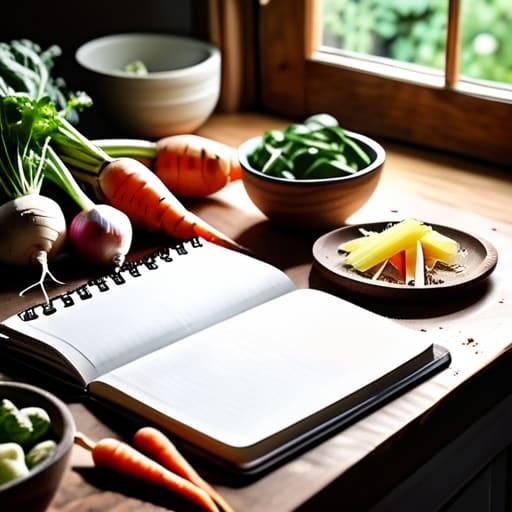
When I first started my journey into time management, I realized that my kitchen was often the biggest source of “decision fatigue.” We often treat grocery shopping like a frantic errand rather than a strategic ritual. To combat this, I recommend starting with meal planning for beginners by focusing on a single theme per week. Instead of staring blankly at the supermarket aisles, try mapping out your meals based on what you already have. This isn’t about rigid schedules; it’s about creating a roadmap that prevents those expensive, last-minute takeout orders when you’re too tired to think.
A huge part of this intentionality involves building a foundation of pantry staples for saving money. I always keep a collection of versatile items—like lentils, quinoa, and canned tomatoes—on hand. These act as the “building blocks” for dozens of different meals. By leaning into these basics, you aren’t just being frugal; you are actually reducing food waste because you’re using what you own before it expires. It’s about moving away from impulse buys and moving toward a kitchen that truly supports your lifestyle and your peace of mind.
Strategic Grocery Shopping Hacks for Purposeful Spending

Once you’ve mastered the art of planning, the next step is navigating the grocery store without falling victim to impulse buys. I used to find myself wandering the aisles, eyes darting between colorful packaging, only to realize I’d grabbed things I didn’t actually need. Now, I treat my shopping trips like a focused mission. One of my favorite grocery shopping hacks is to never shop while hungry; it sounds cliché, but the psychological pull of high-calorie, processed snacks is real when your glucose is low. Instead, I stick strictly to my list, which serves as a physical boundary between my intentions and my impulses.
I also swear by building a foundation of pantry staples for saving money, such as lentils, quinoa, and canned tomatoes. These items act as the “building blocks” for a dozen different meals, ensuring you always have a fallback option. If you can, lean into the bulk buying benefits for non-perishables, but be careful not to overstock items that might expire before you use them. The goal is to create a streamlined system where your kitchen works for you, rather than you working to manage a chaotic, expensive inventory.
The Psychology of the Pantry: 5 Habits to Reclaim Your Kitchen Budget
- Embrace the “Inventory First” Rule: Before you even touch a grocery app, spend ten minutes auditing what you already have. We often overspend because we’re chasing a recipe ingredient that’s actually hiding in the back of our pantry. Treating your current supplies as your primary resource reduces impulse buys and honors the food you’ve already invested in.
- Master the Art of the “Component Meal”: Instead of buying specialized ingredients for one-off exotic dishes, focus on versatile staples like grains, legumes, and seasonal vegetables. When you view ingredients as building blocks rather than fixed recipes, you gain the cognitive flexibility to pivot your meals based on what’s on sale, reducing both waste and stress.
- Batch Cooking as a Gift to Your Future Self: I swear by this when my schedule gets hectic. Dedicate a single window of time—perhaps a Sunday afternoon—to prep large batches of proteins or roasted veggies. This prevents the “decision fatigue” that leads to expensive, last-minute takeout orders when you’re too tired to think about what’s for dinner.
- Shop the Perimeter and Prioritize Whole Foods: It’s easy to get distracted by the shiny, processed convenience items in the middle aisles, but those are often where our budget goes to die. By focusing on the outer edges of the store—produce, proteins, and dairy—you’re investing in nutrient-dense foods that offer better satiety, helping you feel full longer and preventing mindless snacking.
- Practice “Intentional Substitution”: Don’t let a recipe dictate your bank account. If a dish calls for fresh basil but the price is astronomical this week, reach for dried oregano or even a handful of spinach. Learning to swap ingredients based on cost and availability isn’t “settling”; it’s a high-level productivity skill that keeps your nutrition on track without breaking your financial flow.
Embracing Intentionality Over Scarcity
Shift your mindset from “restriction” to “selection” by focusing on high-quality, versatile staples that nourish your body and your bank account.
Use the psychology of preparation to your advantage; when you plan with purpose, you eliminate the impulsive, stress-driven decisions that lead to wasted money and food.
View your grocery budget as a tool for freedom, allowing you to direct your resources toward the ingredients that actually fuel your most productive and fulfilling self.
The Psychology of the Plate
“Cooking on a budget isn’t a lesson in deprivation; it’s an exercise in intentionality. When we stop viewing grocery spending as a restriction and start seeing it as a way to align our resources with our values, we transform a chore into a powerful ritual of self-care.”
Ella Thompson
Finding Your Culinary Rhythm
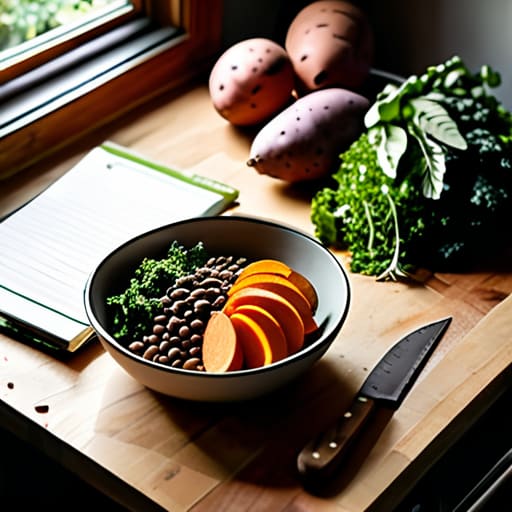
As we wrap up our journey into mindful eating, remember that cooking on a budget is really an exercise in intentionality. We’ve looked at how shifting from impulsive buying to strategic meal planning can reclaim your time and your peace of mind. By applying these grocery hacks and focusing on nourishing, whole ingredients, you aren’t just saving pennies; you are optimizing your most valuable resource—your energy. It’s about moving away from the chaos of last-minute takeout and toward a structured, purposeful approach to how you fuel your body and your life.
At the end of the day, I want you to remember that your kitchen should be a place of empowerment, not a source of stress. Don’t feel pressured to master every complex recipe or perfect your pantry overnight. Productivity, much like cooking, is about finding your own unique rhythm and making small, sustainable shifts that align with your values. Whether you’re prepping simple grains or experimenting with seasonal veggies, every intentional choice you make is a step toward living more deeply. You have the power to transform your daily routine into something that truly nourishes your soul and your bank account alike.
Frequently Asked Questions
How do I balance eating nutritious, whole foods with a tight grocery budget without feeling like I'm constantly sacrificing quality?
I hear this question so often, and it usually stems from the misconception that “healthy” must mean “expensive organic labels.” To find your rhythm here, shift your focus from luxury items to nutrient density. I always tell my clients to embrace the power of staples—think dried lentils, seasonal greens, and frozen berries. These are nutritional powerhouses that won’t break the bank. It’s not about deprivation; it’s about choosing high-impact ingredients that fuel your body and your budget simultaneously.
I struggle with food waste—are there specific psychological tricks or organizational habits I can use to make sure everything I buy actually gets eaten?
Food waste is often a byproduct of “aspirational shopping”—buying for the person we wish we were, rather than the person we actually are on a busy Tuesday. To fix this, I recommend the “First In, First Out” (FIFO) method I use in my own kitchen. Group your perishables together in a “Eat Me First” bin. By visually prioritizing what needs attention, you reduce the cognitive load of deciding what to cook, turning potential waste into intentional nourishment.
When life gets chaotic and my schedule blows up, how can I stick to my budget-friendly meal plan without defaulting to expensive, convenient takeout?
When my schedule spirals, my brain immediately screams for the dopamine hit of a takeout delivery. To fight this, I rely on “emergency pantry meals”—low-effort, five-minute recipes like seasoned chickpeas or quick pesto pasta that I keep on standby. I also treat my meal plan like a flexible framework rather than a rigid rule. If a Tuesday goes sideways, I don’t scrap the plan; I simply pivot to my easiest, pre-planned backup.
