I used to think that learning how to cook fish required a culinary degree or a kitchen full of expensive, specialized gadgets that I simply didn’t have the mental bandwidth to manage. I’d see those overly polished cooking shows making it look like a high-stakes science experiment, and honestly, it just felt like another way to add unnecessary complexity to an already hectic week. For a long time, I avoided the seafood aisle altogether, convinced that one wrong move would leave me with a dry, tasteless mess that wasted both my time and my money.
But here’s the truth: mastering the art of the sear or the perfect bake isn’t about perfectionism; it’s about intentionality and rhythm. In this guide, I’m stripping away the fluff and the intimidating jargon to show you that knowing how to cook fish can actually be a grounding, efficient part of your routine. I promise to share the practical, psychology-backed habits and simple techniques that will help you achieve restaurant-quality results without the kitchen chaos. Let’s reclaim your dinner hour and make something delicious.
Table of Contents
- Choosing Your Foundation Different Types of Fish for Beginners
- The Best Way to Season Fish for Maximum Impact
- Mastering the Flow: 5 Rituals for Perfect Fish Every Single Time
- Making Fish Part of Your Intentional Routine
- The Rhythm of the Roast
- Finding Your Rhythm in the Kitchen
- Frequently Asked Questions
Choosing Your Foundation Different Types of Fish for Beginners
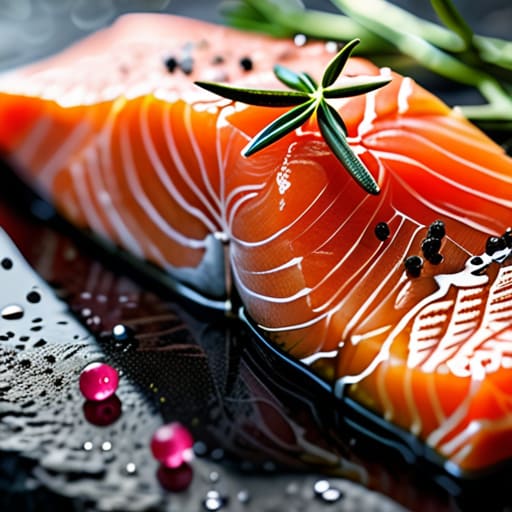
When I first started experimenting with recipes in my tiny city apartment, I felt completely overwhelmed by the seafood aisle. It felt like a high-stakes decision every time I stood there. But here’s the secret: you don’t need to dive into the deep end with exotic, expensive species right away. If you’re looking for the different types of fish for beginners, I always suggest starting with something forgiving like salmon or tilapia. Salmon is a personal favorite of mine because its higher fat content makes it incredibly resilient to heat, meaning it’s much harder to accidentally dry out.
If you want to build your confidence, aim for “meaty” white fish like cod or halibut. These are wonderful because they hold their shape beautifully, which is a huge win when you’re practicing your pan searing techniques for seafood. Because these varieties are relatively mild, they act as a blank canvas, allowing you to experiment with the best way to season fish without the protein fighting against your spices. Once you master these reliable staples, you’ll find that the kitchen feels less like a chaotic race against the clock and more like a space for culinary flow.
The Best Way to Season Fish for Maximum Impact
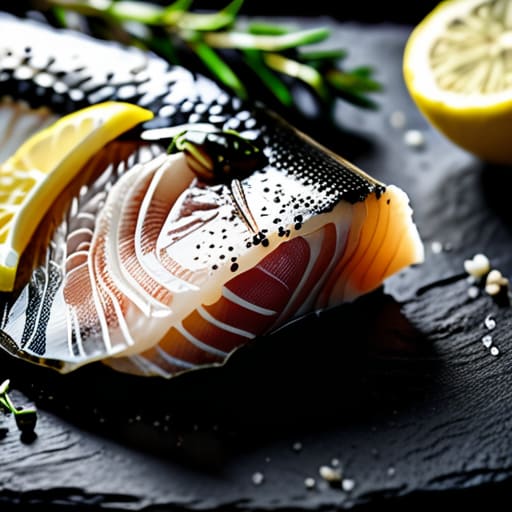
When I first started experimenting with seafood, I used to think that “more is better”—more lemon, more garlic, more heavy spices. But my psychology background has taught me that overstimulation can actually mask the very thing we’re trying to enjoy. The best way to season fish is to respect its natural delicacy. I love starting with a simple foundation: high-quality sea salt and freshly cracked black pepper. This allows the subtle, oceanic sweetness of the fillet to shine through rather than being buried under a mountain of dried herbs.
If you’re feeling a bit more adventurous, think of seasoning as a way to build layers. A light zest of lemon or a tiny drizzle of high-quality olive oil can transform a plain piece of tilapia into something memorable. However, timing is everything. I always remind my clients that seasoning should happen right before the heat hits the pan. If you salt your fish too early and let it sit, the salt will draw out moisture, leaving your beautiful fillet dry and lackluster. Keep it simple, keep it fresh, and let the ingredients do the heavy lifting.
Mastering the Flow: 5 Rituals for Perfect Fish Every Single Time
- Trust your senses over the timer. Just like I use my vintage hourglasses to find my rhythm, I’ve learned that a kitchen timer is just a suggestion. Instead, use a fork to gently flake the flesh; if it separates easily without resistance, it’s done. Overcooking is the biggest productivity killer in the kitchen—it wastes good ingredients and ruins your mood!
- Pat that skin bone-dry. I know, it feels like an extra step in an already busy evening, but moisture is the enemy of a good sear. If you want that satisfying, golden crunch that makes a meal feel truly intentional, grab a paper towel and dry the fish thoroughly before it even touches the pan.
- Don’t be afraid of high heat. We often hesitate because we’re afraid of making a mistake, but a hot pan is your best friend for preventing sticking. Get your oil shimmering before the fish hits the heat; it creates an immediate barrier that allows the protein to sear rather than stew.
- Give yourself a moment of stillness. Once the fish is off the heat, let it rest for a minute or two. This isn’t just about letting the juices redistribute (though that’s crucial); it’s a tiny micro-break for you, too. It’s the culinary equivalent of a deep breath between tasks.
- Respect the “One-Touch” rule. Once you place your fish in the pan, leave it alone! I used to struggle with the urge to constantly poke and prod my food, much like how we obsessively check our notifications. Trust the process. If you let it sit, it will naturally release from the pan when it’s ready to be flipped.
Making Fish Part of Your Intentional Routine
Don’t let a complex recipe intimidate you; focus on mastering one reliable method—like pan-searing or baking—to build your confidence and reduce kitchen anxiety.
Treat seasoning as a mindful ritual rather than a chore, using fresh herbs and bright acids like lemon to let the natural, high-quality flavors of the fish truly shine.
Remember that great cooking is about rhythm, not perfection, so choose a fish that aligns with your schedule and energy levels to ensure the experience is nourishing rather than stressful.
The Rhythm of the Roast
“Cooking fish shouldn’t feel like a frantic race against a ticking clock; it’s about finding your rhythm with the ingredients, understanding when to step in and when to let the heat do the heavy lifting, and realizing that the most delicious results come from intentionality, not intensity.”
Ella Thompson
Finding Your Rhythm in the Kitchen
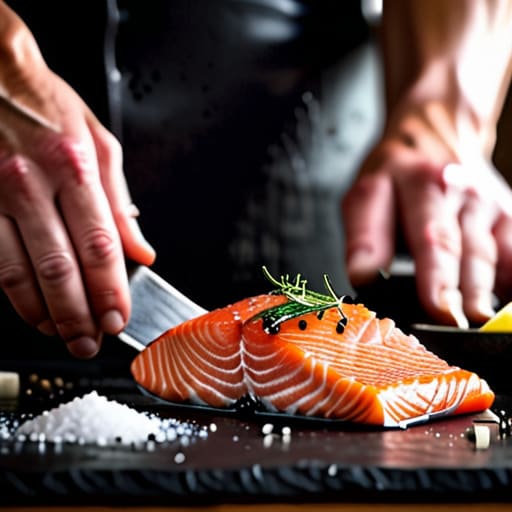
As we wrap up this culinary deep dive, I want you to look back at the framework we’ve built together. We started by selecting the right foundation—matching the fish to your skill level—and moved into the intentional art of seasoning to unlock those deep, natural flavors. Remember, cooking fish isn’t about following a rigid, stressful checklist; it’s about understanding how different textures and spices interact. When you approach your kitchen with the same mindful intention you bring to your daily schedule, you stop reacting to recipes and start mastering the process. Whether you’re pan-searing a delicate fillet or roasting something heartier, the key is to respect the ingredients and trust your instincts.
At the end of the day, I believe that every meal is an opportunity to practice being present. Just as I use my vintage hourglasses to remind myself to breathe during a busy workday, I want you to view cooking as a way to reclaim your time and nourish your soul. Don’t let the fear of a ruined dinner hold you back from trying something new. Perfection is a myth, but the joy of creating something delicious from scratch is very real. Go into your kitchen with confidence, embrace the small messes, and most importantly, find your own rhythm at the stove. You’ve got this!
Frequently Asked Questions
How can I tell if my fish is actually cooked through without overdoing it and making it dry?
The Fear of the Dry Fish: How to Master the Perfect Doneness
What are some simple ways to handle the smell of cooking fish in a small kitchen?
The “fishy” aroma lingering in a tiny apartment can definitely derail your post-dinner zen. To keep your space feeling fresh, I swear by a quick ritual: simmer a small pot of water with lemon slices and rosemary right after you finish cooking. It’s like a natural, aromatherapy reset for your kitchen. Also, don’t forget to clear the trash immediately—getting those scraps out of the house is the ultimate productivity hack for a clean environment.
Is it better to cook fish from frozen, or should I always make sure it's completely thawed first?
I used to think I had to be perfectly prepared to succeed, but my psychology background taught me that perfectionism is just a productivity killer. If you’re staring at a frozen fillet, don’t panic! You can absolutely cook from frozen—it just requires a bit more intentionality with your timing to avoid a mushy texture. However, if you have the bandwidth, thawing completely allows for much better seasoning absorption and more even heat distribution.
