I used to think that mastering the kitchen required a pantry full of expensive, pre-cooked shortcuts and a mountain of “essential” gadgets that just ended up cluttering my workspace. I was caught in that productivity trap of thinking more tools meant more efficiency, but I was wrong. The truth is, if you want to truly master how to cook beans and lentils, you don’t need a high-tech pressure cooker or a subscription to a gourmet meal kit; you just need to understand the rhythm of the ingredients. I remember standing in my tiny apartment kitchen years ago, staring at a bag of dried chickpeas and feeling completely overwhelmed by the perceived complexity of it all, wondering why I couldn’t just make things simple.
I’m not here to give you a complicated, step-by-step manual that feels like a chore. Instead, I want to share the psychological shifts and practical habits that turn these humble staples into the backbone of a high-energy lifestyle. I promise to show you how to approach how to cook beans and lentils with intention, focusing on minimal effort for maximum nourishment. We’re going to strip away the fluff and get straight to the methods that actually work for a busy life.
Table of Contents
- Choosing Your Rhythm Soaking Dried Beans vs No Soak
- The Stovetop Bean Cooking Method for Mindful Preparation
- Small Habits, Big Flavors: My Five Golden Rules for Better Beans
- Finding Your Flavorful Flow: My Top Lessons
- The Ritual of the Simmer
- Finding Your Flow in the Kitchen
- Frequently Asked Questions
Choosing Your Rhythm Soaking Dried Beans vs No Soak
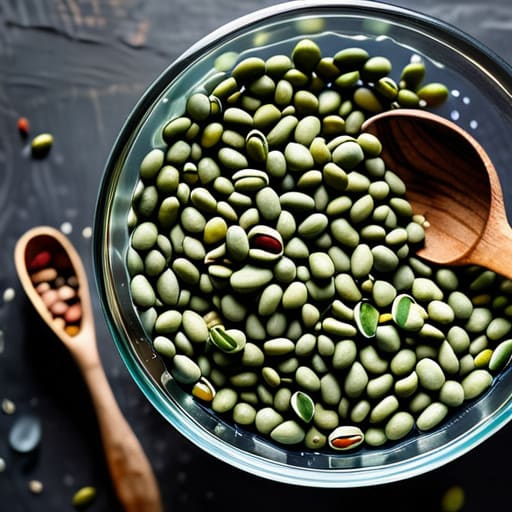
Deciding between soaking dried beans vs no soak often feels like a battle between your long-term goals and your immediate schedule. When I’m in the middle of a heavy work week, the idea of waiting twelve hours for a soak feels like an impossible hurdle. However, I’ve learned that if you want to respect your digestion and achieve that creamy, perfect texture, the soak is worth the investment. It’s a lesson in patience that mirrors how we approach our biggest projects—sometimes the prep work is what actually ensures the final result doesn’t fall flat.
If you are truly pressed for time, don’t panic; you don’t always have to follow the traditional path. You can lean into a stovetop bean cooking method using higher heat, or better yet, dive into some pressure cooker bean recipes to cut your waiting time down to a fraction of the original. While skipping the soak might slightly alter the cooking times for different legumes, it’s all about finding a rhythm that fits your specific lifestyle. Whether you’re a meticulous planner or a spontaneous cook, the goal is to make the process work for you, not against you.
The Stovetop Bean Cooking Method for Mindful Preparation
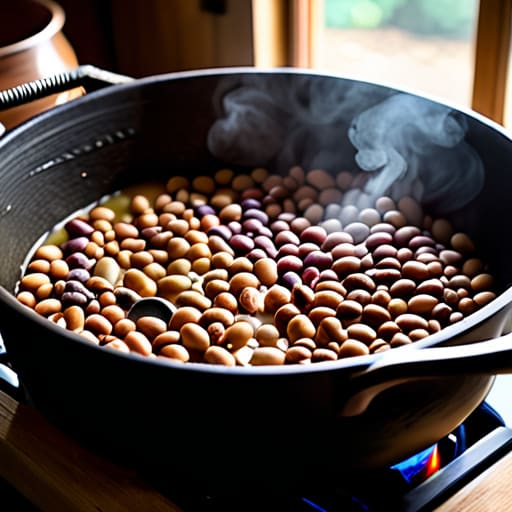
Once you’ve decided on your soaking strategy, it’s time to move to the stove. I like to view the stovetop bean cooking method as a form of slow productivity; it’s not the fastest route, but it offers a level of control that a pressure cooker just can’t replicate. When you’re simmering beans in a heavy-bottomed pot, you can actually feel the progression. You can check the texture every few minutes, ensuring they reach that perfect, creamy consistency without turning into mush. It’s a rhythmic, tactile process that forces you to slow down and stay present.
Keep in mind that cooking times for different legumes can vary wildly, so patience is your best friend here. While a red lentil might be ready in fifteen minutes, a hearty kidney bean might demand an hour of your undivided attention. I always keep a small notebook nearby—much like my bullet journal—to jot down how long specific batches take. This little bit of data helps me optimize my meal prep for the week ahead, turning a kitchen chore into a predictable, stress-free ritual.
Small Habits, Big Flavors: My Five Golden Rules for Better Beans
- Don’t skip the aromatics; just as I wouldn’t start my workday without a clear intention, I never start my beans without a base of garlic, onion, or bay leaves to give them a sense of purpose.
- Salt your water, but be patient; adding salt too early can sometimes toughen the skins, so I like to wait until the beans are halfway through their journey to ensure they stay creamy and tender.
- Respect the simmer; high heat is the enemy of consistency, so keep your burner low and steady—think of it as finding your natural flow rather than forcing a frantic pace.
- Use the “flavor soak” method; if you have the extra time, adding a piece of kombu or a splash of apple cider vinegar to your soaking water can do wonders for digestibility and depth.
- Trust your senses over the timer; every batch of lentils or beans has its own unique rhythm, so instead of staring at the clock, take a moment to taste and feel the texture to know exactly when they’ve reached their peak.
Finding Your Flavorful Flow: My Top Lessons
Respect the process by choosing your soaking method based on your schedule; whether you’re an overnight planner or a spontaneous cook, giving your legumes the right prep time is the secret to a perfect texture.
Embrace the slow simmer as a mindfulness practice, using the gentle rhythm of the stovetop to transition from a hectic workday into a more intentional, nourishing evening.
Don’t fear the experimentation; once you master the foundational timing, you can start treating your pantry like a canvas, adding spices and textures that reflect your own unique rhythm.
The Ritual of the Simmer
“Cooking beans isn’t just about following a recipe; it’s a lesson in patience and preparation. Just as we can’t rush our personal growth, we can’t rush the soak or the simmer—if you respect the process, the reward is always worth the wait.”
Ella Thompson
Finding Your Flow in the Kitchen
As we wrap up this journey into the world of legumes, I hope you feel more equipped to tackle your next batch of beans or lentils with intention. Whether you decided that a long, overnight soak was the best way to respect the texture of your chickpeas, or you opted for the efficiency of a quick stovetop simmer, remember that there is no single “right” way—only the way that fits your current rhythm. By mastering these foundational methods, you aren’t just learning a culinary skill; you are building a sustainable system for nourishment that supports your busy lifestyle without adding unnecessary chaos to your mental load.
At the end of the day, cooking shouldn’t feel like another grueling item on your to-do list. Instead, I want you to view these moments in the kitchen as a chance to practice the same mindfulness we apply to our work and our habits. When you slow down to watch the steam rise or listen to the gentle bubble of a pot, you are reclaiming your time and your energy. Trust yourself to experiment, to adjust your timing, and to find the perfect cadence that works for you. You have the tools, you have the knowledge, and most importantly, you have the power to make your nourishment as intentional as your ambitions.
Frequently Asked Questions
Can I use a pressure cooker or Instant Pot to speed up the process without losing that mindful connection to the food?
Efficiency Meets Intention: Finding Your Flow with Pressure Cooking
How do I know when my beans are perfectly tender instead of mushy or still unpleasantly firm?
The “bite test” is your best friend here. I always keep a small spoon handy to pull a single bean out for a taste test every fifteen minutes. You’re looking for that sweet spot: a creamy center with a slight, pleasant resistance—what we call al dente. If the skin starts to burst or the insides feel grainy, they’re likely overdoing it. Trust your senses; your palate is a much better timer than any clock.
Are there specific spices or aromatics I should add to the pot to make the cooking process more nourishing for both my body and my spirit?
Think of your cooking pot as a space for ritual. To nourish both body and spirit, I love adding aromatics like smashed garlic, sliced ginger, or a bay leaf early on. These aren’t just for flavor; the act of prepping them is a grounding, sensory pause in your day. A pinch of turmeric or cumin adds warmth and anti-inflammatory benefits, turning a simple meal into a mindful, restorative practice that fuels your focus.
