I used to spend my Sunday afternoons staring at color-coded meal prep containers, feeling like a failure because my “optimized” lunches looked more like a science experiment than actual food. We’ve been sold this exhausting myth that learning how to build a balanced meal requires a PhD in nutrition, a massive grocery budget, and three hours of frantic chopping every single weekend. Honestly? That’s not productivity; that’s just performative busyness that leads straight to burnout. I realized that my obsession with perfection was actually draining the very energy I needed to tackle my most important work.
I’m not here to give you a list of restrictive “superfoods” or a complicated mathematical formula to follow. Instead, I want to show you how to approach nutrition through the lens of intentionality and ease. I’m going to share the practical, psychology-backed framework I use to construct plates that fuel my brain without hijacking my schedule. We are going to strip away the hype and focus on a sustainable rhythm that makes how to build a balanced meal feel like a tool for your success, rather than another chore on your to-do list.
Table of Contents
- Mastering the Protein Vegetable Carbohydrate Ratio
- Applying the Healthy Plate Method for Daily Focus
- Small Shifts for Sustained Energy: My Top 5 Fueling Strategies
- Fueling Your Focus: My Top Three Takeaways
- Fueling Your Focus
- Fueling Your Flow: The Final Piece of the Puzzle
- Frequently Asked Questions
Mastering the Protein Vegetable Carbohydrate Ratio
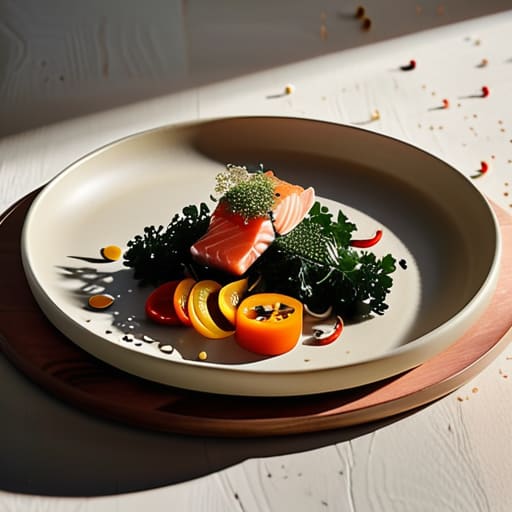
When I first started diving into the psychology of habit formation, I realized that we often fail our goals not because of a lack of willpower, but because our fuel is mismatched with our intentions. To truly sustain your focus, you need to move beyond just “eating healthy” and start looking at your protein vegetable carbohydrate ratio. Think of these three elements as the pillars of your energy architecture. Protein provides the structural foundation to keep you satiated, vegetables offer the micronutrient depth to prevent brain fog, and carbohydrates act as the essential fuel for your cognitive engine.
Instead of getting bogged down in complex math, I love using the healthy plate method to simplify my daily routine. I aim to fill half my plate with colorful, fiber-rich veggies, a quarter with high-quality protein, and the final quarter with complex carbs. This isn’t about restrictive dieting; it’s about strategic macronutrient distribution that supports your workflow. When you master this balance, you stop experiencing those mid-afternoon energy crashes that derail your most productive hours.
Applying the Healthy Plate Method for Daily Focus

Once you’ve grasped the science of your protein-vegetable-carbohydrate ratio, the next step is making it effortless in the middle of a chaotic workday. This is where the healthy plate method becomes your best friend. I like to visualize my plate as a roadmap for my energy levels: half the space is dedicated to colorful, non-starchy vegetables, a quarter to lean protein, and the final quarter to complex carbs. When I’m staring down a mountain of emails, I don’t want to be calculating grams; I just want a visual cue that tells me I’m fueling my brain for the long haul.
Implementing this doesn’t require a degree in nutrition, but it does require a bit of intentionality. Think of it as a form of portion control for healthy eating that actually feels liberating rather than restrictive. If you’re a fan of meal prepping, try prepping your components separately—roasted sweet potatoes, grilled chicken, and sautéed kale—so you can quickly assemble a balanced bowl. This way, you aren’t just eating to satisfy hunger; you’re strategically choosing ingredients that prevent that dreaded 3:00 PM brain fog.
Small Shifts for Sustained Energy: My Top 5 Fueling Strategies
- Stop viewing meal prep as a chore and start seeing it as a productivity hack; prepping versatile components like roasted veggies or a batch of quinoa on Sunday saves your mental energy for the big decisions during the week.
- Prioritize “brain foods” that prevent the dreaded mid-afternoon slump—think healthy fats like avocado or walnuts—because a sudden glucose crash is the fastest way to derail your focus.
- Practice mindful seasoning instead of heavy sauces; using fresh herbs and spices adds incredible flavor without the heavy, lethargic feeling that comes from processed, sugary condiments.
- Don’t let perfectionism paralyze your plate; if you’re in a rush, a simple “assembly meal” of canned beans, pre-washed greens, and a hard-boiled egg is infinitely better for your workflow than skipping lunch entirely.
- Listen to your body’s satiety cues like you would a client’s feedback; eating until you’re comfortably fueled rather than stuffed ensures you stay sharp and present for your most important tasks.
Fueling Your Focus: My Top Three Takeaways
Stop viewing food as just calories and start seeing it as cognitive fuel; when you balance your macros, you aren’t just eating, you’re stabilizing your brain chemistry for sustained productivity.
Use the plate method as a mental shortcut to reduce decision fatigue, allowing you to spend less energy worrying about “what’s for dinner” and more energy on what actually moves the needle in your life.
Listen to your body’s rhythm rather than rigid rules—the goal is to find a nutritional baseline that prevents the mid-afternoon slump so you can stay present and intentional throughout your day.
Fueling Your Focus
“Think of your plate not as a set of restrictive rules, but as a strategic blueprint; when we nourish our bodies with intention, we aren’t just eating—we’re providing the cognitive fuel necessary to show up fully for the work that actually matters.”
Ella Thompson
Fueling Your Flow: The Final Piece of the Puzzle
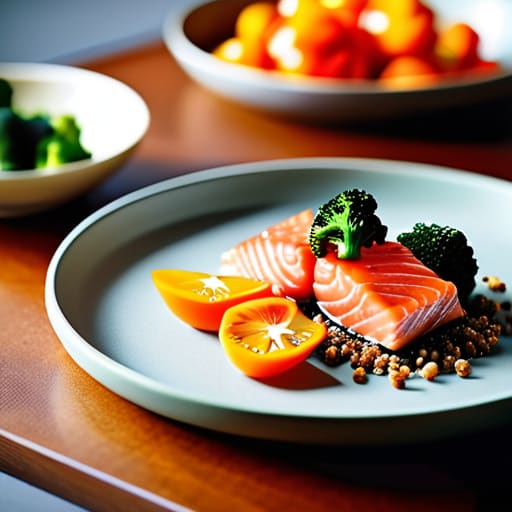
As we wrap this up, I want you to remember that building a balanced meal isn’t about achieving some impossible level of dietary perfection; it’s about strategic decision-making. By mastering that protein, vegetable, and carbohydrate ratio and using the plate method as your visual guide, you are essentially engineering your energy levels for the day ahead. We’ve talked about how these components work together to prevent those mid-afternoon brain fog episodes that derail our most important tasks. When you stop viewing food as just “fuel” and start seeing it as the foundation of your cognitive performance, you change the entire game of how you approach your daily schedule.
At the end of the day, my goal for you isn’t to turn your kitchen into a laboratory, but to help you find a sustainable rhythm that supports your biggest ambitions. I often look at my vintage hourglasses and realize that time is our most precious resource, and we waste so much of it fighting against our own biology. When you nourish yourself with intention, you aren’t just eating; you are investing in your future self. So, take these tools, grab your planner, and start building meals that allow you to show up fully for the work and the people that truly matter.
Frequently Asked Questions
How do I adjust these ratios on days when I have an intense afternoon of deep work versus a sedentary day at my desk?
Think of your plate as a tool for energy management. On those heavy deep-work days, I lean into more complex carbohydrates—think quinoa or sweet potatoes—to provide the steady glucose my brain craves for sustained cognitive endurance. Conversely, on sedentary days, I dial back the carbs and bump up the fiber-rich vegetables and healthy fats. It’s all about preventing that mid-afternoon insulin spike that leads to the dreaded brain fog.
I struggle with decision fatigue when meal prepping; are there any quick "template" meals that follow these rules without requiring a ton of mental energy?
I totally get it. Decision fatigue is the ultimate productivity killer—it’s that same mental drain you feel when staring at a blank planner. To bypass the “what should I eat?” loop, try the “Bowl Method.” Grab a base of greens or quinoa, add a pre-cooked protein like chickpeas or rotisserie chicken, and toss in whatever roasted veggies are in your fridge. It’s a repeatable template that honors your nutrition without draining your willpower.
Does the timing of my meals actually impact my cognitive focus, or is it just about the nutritional composition itself?
It’s a bit of both, really. While the nutritional composition provides the “fuel,” the timing dictates your “rhythm.” From a psychological perspective, eating at consistent intervals helps stabilize your blood sugar, preventing those mid-afternoon cognitive crashes that derail my most important deep-work sessions. Think of it like my vintage hourglasses: the nutrients are the sand, but the timing is the flow. Aligning your meals with your natural energy peaks is key to sustained focus.
