I used to think that mastering how to bake bread at home required a kitchen full of expensive, high-tech gadgets and a degree in chemistry. I spent way too many Saturday mornings staring at complex, thirty-step recipes that felt more like a chore than a creative outlet, leaving me more stressed than satisfied. But here’s the truth: you don’t need a professional proofing basket or a specialized stone to create something beautiful. Most of the “expert” advice out there is just unnecessary noise designed to make a simple, primal process feel intimidating.
In this guide, I’m stripping away the fluff to show you how to find your own rhythm in the kitchen. I want to help you understand the psychology of the process—learning to trust your senses and your timing rather than a rigid, stressful timer. We aren’t aiming for perfection; we are aiming for a practice that nourishes your soul and fits into your actual life. I’ll provide you with honest, experience-based steps that focus on what truly matters: the joy of the craft and the simple magic of flour, water, and patience.
Table of Contents
Sourcing Essential Baking Ingredients With Mindfulness
When I first started exploring the world of flour and water, I made the mistake of treating my grocery run like a frantic race against the clock. I’d grab whatever was cheapest, only to find my loaves coming out heavy and lifeless. Now, I approach gathering my essential baking ingredients with much more intention. I like to visit my local farmers’ market or a specialty grocer, feeling the weight of the flour bag and checking the texture of the grains. It’s a small way to ground myself before the actual work begins.
For anyone diving into bread making for beginners, I can’t stress enough how much quality matters. It isn’t just about calories; it’s about the chemistry. When you choose a high-quality, unbleached flour, you are essentially setting the stage for a healthy yeast fermentation process. Think of your ingredients as the foundation of your mental space—if they are chaotic or low-quality, your process will feel that way, too. By selecting ingredients with care, you aren’t just prepping a recipe; you are honoring the ritual of what’s to come.
Understanding the Yeast Fermentation Process as a Lesson in Patience
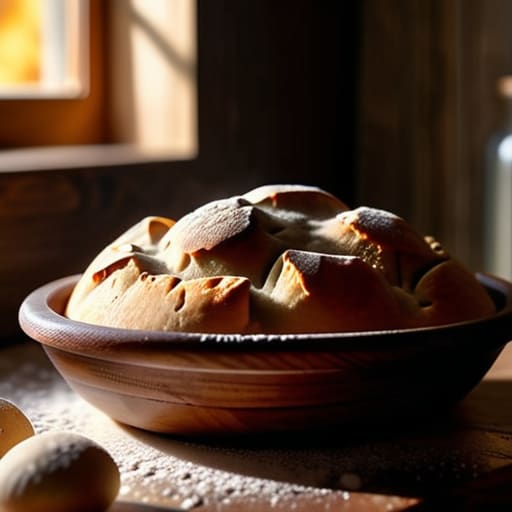
As I sat in my kitchen yesterday, watching a small bowl of dough slowly expand, I was reminded of why I fell in love with psychology in the first place. We live in a world of instant gratification, but the yeast fermentation process refuses to be rushed. You can’t demand that the microbes work faster just because you have a busy schedule; you have to work on their timeline. This is where many people starting with bread making for beginners hit a wall. They view the rising period as “dead time” or a hurdle to overcome, rather than a vital, living phase of the craft.
In my consulting work, I often talk about the “waiting periods” in our lives—those moments where we feel unproductive because we aren’t actively checking items off a list. Baking teaches us the opposite. When you are waiting for your dough to rise, you aren’t wasting time; you are participating in a biological transformation. Learning to embrace these quiet intervals is a masterclass in intentional patience. Instead of reaching for your phone, try turning one of my vintage hourglasses and simply observing the magic of the rise.
Mastering the Rhythm: 5 Ways to Find Your Flow in the Kitchen
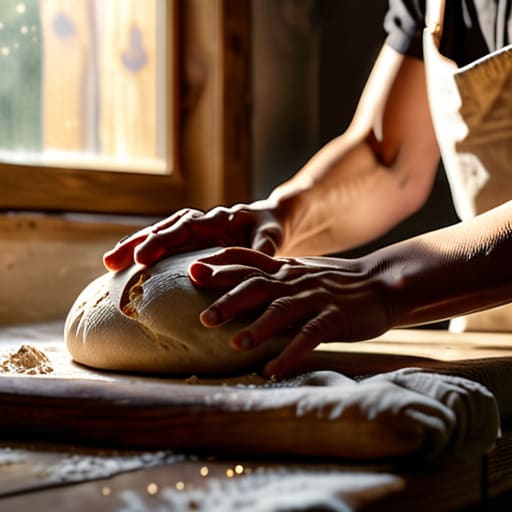
- Embrace the “Touch Test” over the timer. While I love my vintage hourglasses for keeping me grounded, bread doesn’t care about the clock. Instead of obsessing over whether it’s been sixty minutes, use your hands to feel the elasticity of the dough. Learning to read the physical feedback of the gluten is where the real connection happens.
- Designate a “Dough Zone” to minimize decision fatigue. Just like I curate my bullet journal to avoid mental clutter, I find that having a dedicated, organized workspace for baking prevents that mid-recipe panic. When your flour, salt, and water are already laid out, you can focus on the tactile joy of the process rather than hunting for a measuring cup.
- Use the “Proofing Window” as a forced mindfulness break. We often treat bread making like a race to the finish line, but that’s where we lose the magic. When your dough is rising, step away from your screens. Use that time to breathe or sit with a cup of tea; let the stillness of the dough remind you that some of the best growth happens when we aren’t actively “doing” anything.
- Don’t fear the “ugly” loaf. In my psychology studies, we talk a lot about perfectionism being the enemy of progress. Your first loaf might be a bit lopsided or have a dense crumb, and that’s perfectly okay. Treat every bake as a data point in your learning journey rather than a test of your worth.
- Audit your kitchen environment for sensory focus. Baking is a multi-sensory experience, so lean into it. Put on a calming playlist or notice the specific scent of the yeast blooming in warm water. By engaging your senses, you transform a chore into a grounding ritual that resets your nervous system for the rest of the day.
Finding Your Rhythm in the Dough
Treat your kitchen like a sanctuary for mindfulness; instead of rushing through the steps, use the tactile experience of kneading to ground yourself in the present moment.
Embrace the unpredictable nature of fermentation as a psychological exercise in letting go, recognizing that some of life’s best results require time we cannot control.
Shift your focus from the final loaf to the intentionality of the process, understanding that true productivity in baking—and in life—is about the quality of your presence, not just the output.
## The Rhythm of the Rise
“Baking bread isn’t just about following a recipe; it’s about learning to sync your internal clock with the slow, intentional pace of the dough, proving that the most meaningful results often come when we finally stop rushing.”
Ella Thompson
The Rhythm of the Rise
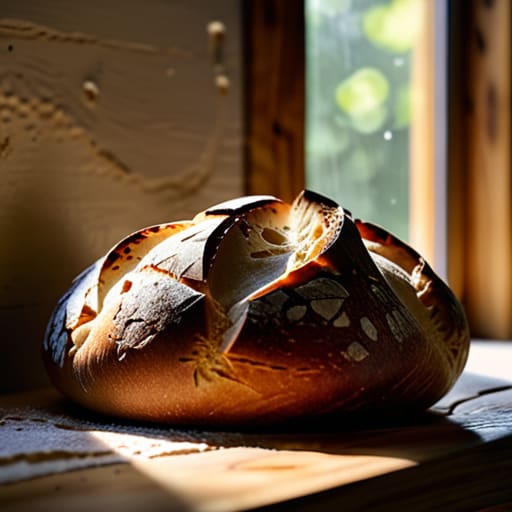
As you pull that first, golden-brown loaf from the oven, remember that you haven’t just completed a recipe; you’ve practiced a form of intentional living. We’ve walked through the importance of sourcing ingredients with presence, the delicate chemistry of yeast, and the way fermentation demands we slow down our frantic mental pace. Baking bread is a beautiful, tactile reminder that meaningful results cannot be rushed. By treating each step—from the initial measurement to the final proof—as a conscious choice rather than a chore, you transform a kitchen task into a profound exercise in mindfulness and self-regulation.
Ultimately, I want you to look at your flour-dusted counters and see more than a mess; I want you to see a space where you reclaimed your time. In a world that constantly screams at us to move faster, choosing to bake is a radical act of choosing your own tempo. Don’t worry if your first loaf isn’t a masterpiece or if the crust isn’t perfectly crackly. The true magic lies in the rhythm you find within the process. So, take a deep breath, slice into that warmth, and savor the quiet victory of doing something truly worthwhile.
Frequently Asked Questions
How do I know if my kitchen environment is actually helping or hurting my dough's rise?
Think of your kitchen as an ecosystem. If your space is drafty or overly air-conditioned, your yeast will essentially go into hibernation, stalling that crucial rise. I always check for “micro-climates”—a warm spot near the oven is often a baker’s best friend, while a cold windowsill is a dough-killer. If your dough feels sluggish despite following the timing, your environment is likely working against you. Aim for warmth and stillness to let the magic happen.
What should I do if I feel myself getting frustrated when my bread doesn't look like the pictures?
First, take a breath and reach for one of my vintage hourglasses. When your loaf looks nothing like that Pinterest-perfect sourdough, your brain is likely stuck in a “perfectionism loop.” Remember: bread is a living, breathing thing, not a math equation. Instead of judging the shape, focus on the sensory details—the smell, the texture, the effort. Perfection is a distraction; progress is the real ingredient. Let the “ugly” loaf teach you resilience.
Can you suggest a way to fit the long fermentation times into a busy, high-pressure workday?
I used to think a long ferment meant I had to be a slave to my kitchen, but that’s where the burnout happens. Instead, treat your dough like a “set it and forget it” project. I love using a “cold ferment” in the fridge; you mix it in the evening, tuck it away, and let the slow chill do the work while you crush your workday. It turns a time constraint into a rhythmic, low-stress ritual.
