I remember sitting at my desk last Tuesday, staring at a mountain of planners and feeling that familiar, heavy sense of overwhelm. As a time management consultant, I’m constantly preaching about intentionality, but I realized I was neglecting a vital part of my own rhythm: unstructured play. We often fall into the trap of thinking that “keeping kids busy” is the same as engaging them, but there is a massive psychological difference between mindless screen time and activities that actually foster cognitive growth. Finding meaningful kids craft ideas shouldn’t feel like just another chore on your to-do list; it should be an opportunity to slow down and connect.
In this post, I’m moving away from the “busywork” approach and sharing five curated projects designed to spark genuine curiosity. Instead of just filling time, these activities are selected to help your little ones develop fine motor skills and creative problem-solving abilities. I promise that by the end of this list, you’ll have a toolkit of purposeful projects that turn a chaotic afternoon into a moment of calm, productive connection.
Table of Contents
Nature's Tiny Masterpieces
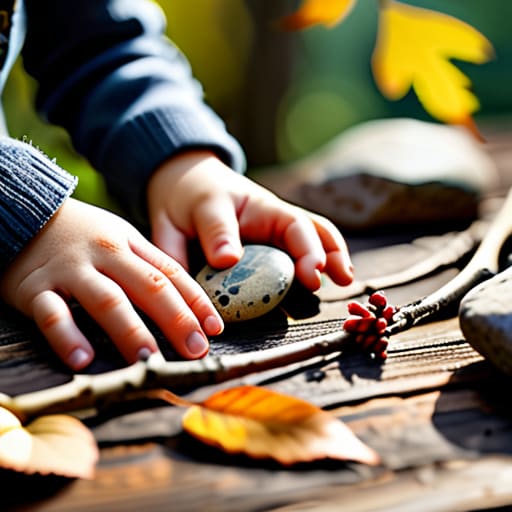
I’ve always been fascinated by how much we can learn from simply observing the world around us. Instead of reaching for a plastic kit from a big-box store, I love encouraging kids to head outside and collect “treasures” like fallen leaves, smooth stones, or interesting twigs. This isn’t just about making something pretty; it’s about fostering a sense of mindful observation that helps them slow down and truly notice the details in their environment.
The Magic of Storytelling Stones
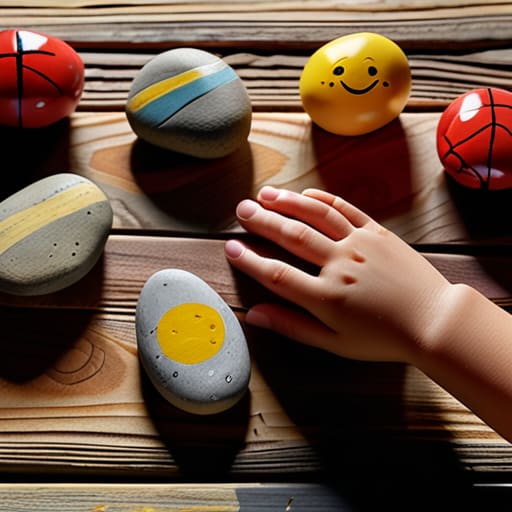
As a psychology enthusiast, I’m constantly amazed by the power of narrative in child development. One of my favorite low-prep activities involves taking simple, smooth river stones and painting small icons on them—think a tiny sun, a little house, or a simple smiley face. These become “storytelling stones” that your child can use to build their own worlds through play.
Sensory Dough and Stress Relief
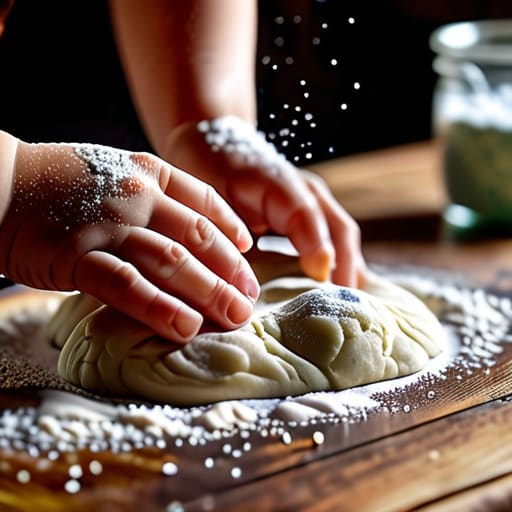
We often forget that kids experience the world—and stress—through their senses just as much as adults do. Making homemade play dough is a fantastic way to engage their tactile senses while giving them a productive outlet for any restless energy. There is something deeply grounding about the process of mixing flour, salt, and water until it reaches that perfect, squishy consistency.
Collaborative Family Murals
In my own life, I’ve learned that the most meaningful things are often the ones we create alongside others. Instead of a solo project, try taping a massive roll of butcher paper to the floor or a long hallway wall and letting the whole family contribute to a giant mural. This shifts the focus from “look what I made” to “look what we created together,” which is a powerful shift in mindset.
Upcycled Cardboard Architecture
My inner organizer is always looking for ways to reduce waste, and nothing beats the endless possibilities of a cardboard box. Before you toss that delivery package into the recycling bin, challenge your kids to see it as a piece of potential architecture. Whether it’s a miniature castle or a futuristic spaceship, cardboard is the ultimate medium for unstructured play.
Finding the Rhythm in Creativity
Focus on the process rather than the finished product; the real magic happens in the messy, unscripted moments of discovery that build a child’s confidence.
Use crafts as a way to foster mindfulness and presence, helping kids learn to slow down and engage deeply with the task at hand.
Prioritize meaningful connection over a cluttered craft room by choosing activities that spark genuine curiosity and allow for individual expression.
Beyond the Glitter and Glue
“When we sit down for a craft project, we aren’t just teaching our children how to use scissors or mix colors; we are creating a dedicated space for them to practice focus, embrace imperfection, and discover the quiet joy of seeing an idea come to life through their own hands.”
Ella Thompson
Beyond the Glitter and Glue
As we wrap up our little exploration into these creative outlets, I hope you see that these activities are about so much more than just keeping little hands busy for twenty minutes. Whether you chose the sensory-focused play or the structured building projects, the goal was never to produce a perfect masterpiece for the fridge, but to foster a sense of intentional engagement. By selecting crafts that spark genuine curiosity rather than just filling time, you are helping your children build focus, patience, and a sense of agency over their own environment. Remember, the most successful “craft time” isn’t the one that leaves the house the cleanest, but the one where your child feels truly connected to the process of making something from scratch.
At the end of the day, I want you to remember that productivity in parenting isn’t about checking a box or completing a curriculum; it’s about the quality of the moments you cultivate. When we step away from the digital noise and dive into the messy, beautiful world of tactile creativity, we are teaching our children how to find their own rhythm in a chaotic world. Don’t be afraid of the spilled paint or the stray beads. Embrace the chaos, because in those unstructured, creative intervals, your child is learning the most important lesson of all: how to transform their own imagination into reality.
Frequently Asked Questions
How can I encourage my child to stay focused on a craft without it turning into a stressful battle of wills?
I’ve found that the “battle of wills” usually happens when we treat crafting like a chore rather than a process. Instead of pushing for a perfect finished product, try focusing on the sensory experience. If they lose interest, don’t force it; that’s just their rhythm telling them they need a break. I often use a small sand timer—much like my vintage hourglasses—to help kids visualize time, making the transition between “focus time” and “play time” feel natural rather than forced.
What are some ways to foster genuine creativity rather than just following a strict, step-by-step instruction manual?
To foster genuine creativity, we have to stop treating crafts like a checklist and start treating them like an experiment. I always tell my clients that the “perfect” result is often the enemy of true engagement. Instead of handing over a rigid manual, try offering “open-ended prompts.” Give them a basket of varied textures—scraps of fabric, smooth stones, or recycled cardboard—and a theme rather than a blueprint. Let them lead the process; the magic happens in the messy, unscripted middle.
How do I balance meaningful, hands-on activities with the inevitable mess they leave behind in our living space?
I completely get it—the “creative chaos” can feel overwhelming when you’re just trying to maintain a sense of calm in your home. I like to treat mess management like a ritual rather than a chore. Set clear boundaries by using designated “maker stations” or even just a heavy-duty tray to contain the spillover. If we view the cleanup as a mindful transition back to order, rather than an interruption to the joy, it becomes much more manageable.
