I was sitting on my floor last Tuesday, surrounded by a chaotic mountain of tangled wire, mismatched beads, and a mounting sense of frustration, when I realized something vital: I was treating my hobby like a second job. I had fallen into the trap of thinking that diy jewelry making required a massive, expensive inventory and a perfectly organized studio to be “productive.” But as I watched the sand trickle through my favorite vintage hourglass, I realized that the clutter wasn’t helping my creativity; it was actually draining my mental energy. We often mistake busywork for actual crafting, turning a soulful outlet into just another item on an endless to-do list.
In this guide, I’m stripping away the fluff and the overwhelming “must-have” gadget lists to focus on what actually matters. I want to show you how to approach diy jewelry making as a ritual of mindful presence rather than a race toward perfection. You’ll learn how to curate a functional toolkit, master the foundational techniques that yield real results, and—most importantly—how to find your own creative rhythm without the burnout. Let’s stop chasing quantity and start crafting pieces that actually mean something to you.
Table of Contents
- Step-by-Step Instructions
- Curating Your Space With Essential Beadwork Supplies
- Mastering Wire Wrapping Techniques for Mindful Creation
- Beyond the Beads: 5 Mindful Strategies for a More Intentional Creative Flow
- Finding Your Flow: The Heart of Intentional Jewelry Making
- ## The Rhythm of the Craft
- Finding Your Creative Rhythm
- Frequently Asked Questions
Guide Overview
Tools & Supplies
- Needle-nose pliers for gripping and bending wire
- Wire cutters for trimming metal and cord
- Beading mat to prevent rolling
- Assorted glass beads (approx. 50-100 pieces)
- Jewelry wire or elastic cord (1 roll/strand)
- Lobster clasps and jump rings (set of 10)
Step-by-Step Instructions
- 1. Before you touch a single bead, I want you to clear your physical and mental space. Set up a dedicated station with a clean surface and ensure you have all your tools—pliers, wire cutters, and your chosen materials—within arm’s reach. This isn’t just about organization; it’s about minimizing decision fatigue so your brain can stay present in the creative process.
- 2. Curate your color palette and textures with intention. Instead of grabbing every random bead in your stash, select a small, cohesive group of elements that speak to the mood you want to capture. I find that limiting my options actually fuels deeper creativity because it forces me to work within a beautiful, intentional framework.
- 3. Begin by laying out your design on a bead mat or a piece of felt. I always recommend “dry fitting” your components before you ever pick up the pliers. This allows you to visualize the flow and rhythm of the piece, ensuring that the visual balance feels right before you commit to a permanent structure.
- 4. Once you’re happy with the layout, start the assembly process, focusing on one connection at a time. Whether you are looping wire or threading beads, try to match your breathing to your movements. Treating each small mechanical task as a micro-meditation helps prevent that frantic “I need to finish this” feeling that kills the joy of crafting.
- 5. As you work through the assembly, pay close attention to the tension and the way light hits your materials. If you feel yourself rushing, stop and take a moment to look at one of my vintage hourglasses or simply close your eyes for a minute. It’s much better to slow down the pace than to rush into a mistake that requires you to undo all your hard work.
- 6. Secure your findings—like clasps, crimp beads, or jump rings—with steady, deliberate pressure. This is the structural foundation of your piece, so don’t treat it as a chore to be rushed through. Think of this step as anchoring your intention into a tangible, lasting object.
- 7. Finally, step back and evaluate your finished piece through the lens of how it makes you feel. Does it bring a sense of calm or a spark of joy? If it doesn’t quite resonate, don’t view it as a failure; see it as a valuable data point in your journey toward mastering both your craft and your creative rhythm.
Curating Your Space With Essential Beadwork Supplies
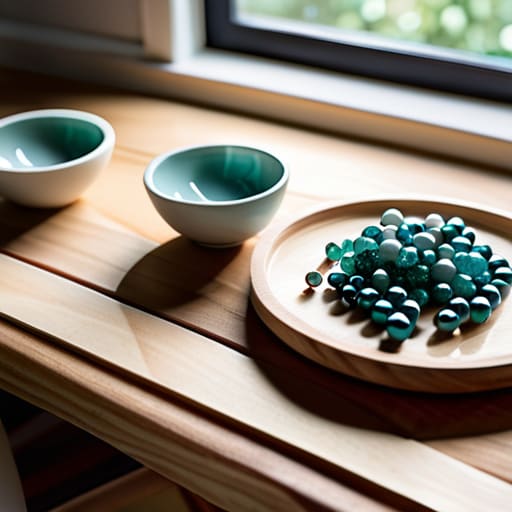
When I first started diving into this hobby, my desk looked like a glitter bomb had gone off. I thought that having every color of glass bead imaginable would fuel my creativity, but I quickly learned that a cluttered workspace leads to a cluttered mind. To truly find your flow, you need to organize your essential beadwork supplies in a way that reduces decision fatigue. I highly recommend investing in a tiered bead organizer or even just a few small ceramic dishes. When everything has a designated home, you spend less time digging through chaos and more time actually engaging with your creative process.
As you build your kit, don’t feel pressured to buy everything at once. Focus on high-quality jewelry making tools for beginners, such as a reliable pair of needle-nose pliers and a sturdy bead mat to prevent your pieces from rolling away. I’ve found that having a clean, intentional setup acts as a psychological cue; once my tools are laid out, my brain knows it’s time to transition from the stress of the workday into a state of mindful creation.
Mastering Wire Wrapping Techniques for Mindful Creation
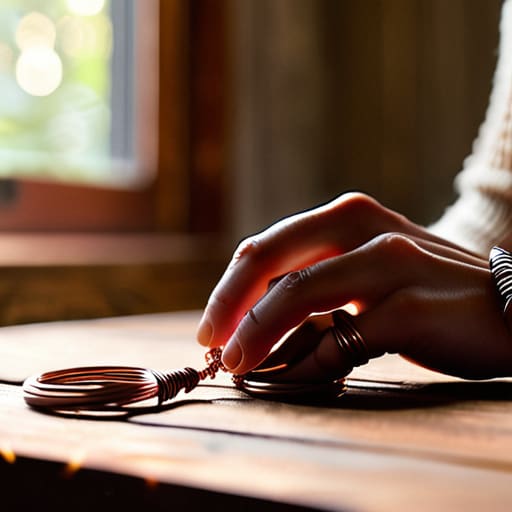
Once you’ve gathered your essential beadwork supplies, I find that moving into wire wrapping is where the real magic—and the real mental shift—happens. While many see it as just another technical skill, I view it as a form of moving meditation. When I’m sitting at my desk, twisting fine copper wire around a stone, the world tends to quiet down. It’s not about rushing to finish a piece; it’s about the deliberate precision required to loop and coil. If you find yourself getting frustrated with a stubborn wire, take a cue from my vintage hourglasses: stop, breathe, and reset.
To get started, you don’t need a professional studio, but investing in a few quality jewelry making tools for beginners—like needle-nose pliers and wire cutters—will prevent the physical tension that often leads to mental burnout. Focus on mastering one basic loop before attempting complex wire wrapping techniques. By slowing down your movements and focusing on the tactile sensation of the metal, you transform a simple task into a ritual of mindful presence. This is how we move from simply “being busy” to truly creating with intention.
Beyond the Beads: 5 Mindful Strategies for a More Intentional Creative Flow
- Stop the “Supply Hoarding” Cycle: It’s easy to feel productive when you’re scrolling through endless bead shops online, but that’s often just procrastination in disguise. Instead of buying everything in sight, challenge yourself to create one complete piece using only what you currently have on your desk. It forces you to be resourceful rather than just a consumer.
- Design with Your “Energy Budget” in Mind: Some days I have the mental bandwidth for intricate, tiny seed bead patterns, and other days, I can barely focus on a single task. Learn to match your jewelry project to your cognitive load. If you’re feeling drained, opt for simple corded bracelets; save the complex wire-wrapping for when your focus is sharp.
- The “One-Piece” Rule for Preventing Burnout: When I was first getting into jewelry, I used to try and churn out dozens of pieces to feel “successful.” Now, I treat my crafting like my time management philosophy: quality over quantity. Focus on finishing one piece that truly resonates with you rather than leaving ten half-finished projects gathering dust.
- Use Sensory Anchors to Enter Flow State: Just like I use my vintage hourglasses to signal a mindfulness break, use a specific scent or a particular lo-fi playlist to signal to your brain that it’s time to create. This psychological cue helps you transition from the chaos of your daily to-do list into a deep, creative flow state much faster.
- Document the “Why,” Not Just the “How”: In my bullet journal, I don’t just sketch designs; I note how I felt while making them. Did a certain color palette calm you down? Did a specific technique frustrate you? Understanding the emotional connection to your craft turns jewelry making from a mere hobby into a powerful tool for self-regulation and reflection.
Finding Your Flow: The Heart of Intentional Jewelry Making
Shift your focus from the quantity of pieces you produce to the quality of the connection you feel with each creation; remember, one meaningful pendant is worth more than a box of rushed trinkets.
Treat your crafting sessions as a psychological reset by using your tools—like your pliers or beads—as anchors to bring your wandering mind back to the present moment.
Use your creative process as a way to practice “productive rest,” allowing the repetitive motions of beadwork to soothe your nervous system rather than adding another item to your stressful to-do list.
## The Rhythm of the Craft
“Don’t treat beadwork as just another task to check off your to-do list; treat it as a way to reclaim your focus, where every knot tied and every stone placed becomes a small, intentional victory against the chaos of a busy day.”
Ella Thompson
Finding Your Creative Rhythm
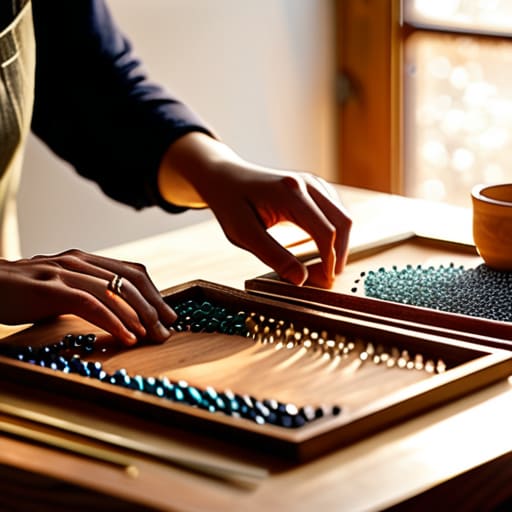
As we wrap up this journey into the world of jewelry making, I want you to take a moment to reflect on how far you’ve come. We’ve moved from curating a purposeful workspace filled with the right beads to mastering the delicate, meditative art of wire wrapping. Remember, the goal wasn’t just to accumulate a pile of supplies or to check a “crafting” box off your to-do list. Instead, it was about learning how to channel your focus through tactile, intentional movements. By organizing your tools and honing your technical skills, you haven’t just learned a new hobby; you’ve built a foundation for a sustainable creative practice that respects both your time and your mental energy.
As you move forward, I encourage you to treat your next jewelry-making session not as a chore, but as a sacred appointment with yourself. Don’t get caught in the trap of perfectionism or the urge to churn out dozens of pieces just to feel “productive.” Instead, let each bead and each twist of wire be a way to reconnect with your center. Whether you are crafting a simple necklace or an intricate statement piece, let the process remind you that true fulfillment comes from doing what truly matters. Now, go grab your pliers, set your timer, and find your flow.
Frequently Asked Questions
How do I keep from getting overwhelmed by all the different types of beads and findings when I'm first starting out?
I completely hear you. When I first started my bullet journaling habit, I felt that same “choice paralysis” staring at a sea of supplies. My advice? Don’t try to master every gemstone and clasp at once. Start with a “capsule collection”—just a few high-quality glass beads and basic jump rings in a single color palette. By limiting your options, you reduce cognitive load and can actually focus on the joy of the rhythm, rather than the stress of the inventory.
Is there a way to balance the technical side of jewelry making with the mindful, creative flow I'm looking for?
It’s so easy to get lost in the “perfectionist trap”—spending hours obsessing over a single wire loop until the joy completely evaporates. To keep that flow, I treat the technicality as the skeleton and your intuition as the soul. Don’t let the tools dictate the rhythm. If a technique feels like a chore, step back, flip one of my vintage hourglasses, and breathe. Master the skill so it becomes muscle memory, freeing your mind to actually create.
How can I set up a sustainable routine for my crafting sessions so it feels like a ritual rather than just another chore on my to-do list?
To turn crafting from a chore into a ritual, you have to stop treating it like a task to “finish” and start treating it like a space to “enter.” I love using my vintage hourglasses to signal a transition; when the sand starts flowing, my phone goes on Do Not Disturb. Set a specific sensory cue—maybe a certain playlist or a cup of herbal tea—to tell your brain it’s time to flow, not just to work.
