I remember sitting on my kitchen floor last Tuesday, surrounded by a literal mountain of plastic spray bottles, feeling completely overwhelmed by the sheer clutter of my own cleaning cabinet. It wasn’t just the physical mess; it was the mental load of managing a dozen different chemicals, most of which smelled like a laboratory accident. I realized then that I was falling into the trap of thinking I needed a specialized, expensive solution for every single square inch of my apartment. We’ve been sold this myth that effective home care requires a massive inventory of branded products, but honestly, most of those diy cleaning products recipes you see online are either way too complicated or just plain ineffective.
I’m not here to give you a chemistry lesson or suggest you spend your entire weekend boiling herbs in a cauldron. Instead, I want to share a streamlined, psychology-backed approach to cleaning that focuses on simplicity and intentionality. I’m going to walk you through a handful of versatile, no-nonsense recipes that actually work, helping you reclaim your time and your space. My goal is to help you strip away the excess so you can focus on what truly matters in your home.
Table of Contents
- Beyond Surface Shine the Psychology of Non Toxic Household Cleaners
- Mindful Ingredients Mastering Vinegar and Baking Soda Cleaning
- Small Shifts, Big Impact: My Top 5 Tips for a Mindful Cleaning Routine
- My Three Golden Rules for Mindful Cleaning
- Cleaning as a Ritual of Care
- Finding Your Rhythm in a Cleaner Home
- Frequently Asked Questions
Beyond Surface Shine the Psychology of Non Toxic Household Cleaners
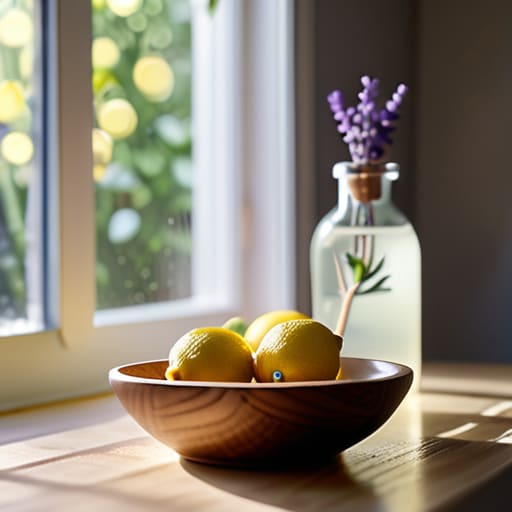
When I first started my journey into time management, I realized that our physical environment acts as a silent architect of our mental state. If your home feels heavy with the sharp, stinging scent of synthetic bleach, your brain stays in a state of low-level “threat detection.” By switching to non-toxic household cleaners, we aren’t just scrubbing surfaces; we are actually regulating our nervous systems. There is a profound psychological shift that happens when you replace harsh chemicals with the gentle, familiar scents of essential oils for cleaning, like lavender or lemon. It transforms a chore into a sensory ritual that grounds you.
Furthermore, the “clutter” in our minds often stems from the hidden stressors in our surroundings. When I use simple combinations like vinegar and baking soda cleaning methods, I feel a sense of agency and control. We often overlook how much peace of mind comes from knowing our space is truly safe. Creating a sanctuary that prioritizes safe cleaning for pets and kids allows us to fully inhabit our homes without that nagging, subconscious anxiety about what we might be inhaling. It’s about intentionality, not just cleanliness.
Mindful Ingredients Mastering Vinegar and Baking Soda Cleaning
When I first started my journey into intentional living, I used to feel overwhelmed by the sheer number of specialized bottles cluttering my under-sink cabinet. I realized that I didn’t need a chemistry lab to maintain a sanctuary; I just needed to understand the simple science of vinegar and baking soda cleaning. Vinegar is your acidic powerhouse, perfect for cutting through limescale and neutralizing odors, while baking soda acts as a gentle, abrasive scrub that lifts grime without the harshness of industrial chemicals. By leaning into these eco-friendly cleaning ingredients, you aren’t just tidying up; you’re simplifying your mental load.
To take your ritual to the next level, I love adding a few drops of high-quality essential oils to my mixtures. A splash of lemon or tea tree oil doesn’t just make your home smell like a spa—it adds a layer of aromatherapy that can actually ground you during a hectic afternoon. This approach turns a chore into a sensory experience, providing safe cleaning for pets and kids while ensuring your environment remains a true refuge. It’s about finding that perfect rhythm between efficiency and care.
Small Shifts, Big Impact: My Top 5 Tips for a Mindful Cleaning Routine

- Start with a “Scent-Sory” Connection. Instead of that harsh, chemical smell that triggers a stress response, use pure essential oils like lemon or lavender in your DIY sprays. It transforms a chore into a moment of aromatherapy that actually grounds you.
- Curate a Minimalist Toolkit. Don’t fall into the trap of thinking you need twenty different bottles. I’ve found that mastering just three core elements—vinegar, baking soda, and castile soap—can tackle almost everything, reducing decision fatigue and clutter.
- Batch Your Prep for Mental Clarity. Just like I plan my weekly bullet journal, I like to spend one Sunday afternoon mixing my glass spray bottles. Having your cleaners ready to go prevents that “where is the spray?” friction when you’re trying to maintain your momentum.
- Respect the Chemistry of Your Surfaces. My psychology background taught me that rushing leads to mistakes. Always test a small, inconspicuous area first; treating your home with this kind of intentionality prevents the frustration of accidental damage.
- Use Cleaning as a Micro-Meditation. Instead of viewing scrubbing as a task to check off, try to view it as a way to clear your mental workspace. When you focus on the rhythmic motion of wiping a counter, you’re practicing a form of active mindfulness that resets your focus for the day ahead.
My Three Golden Rules for Mindful Cleaning
Shift your mindset from “chores to finish” to “rituals to embrace”; when you use intentional, non-toxic ingredients, you’re not just cleaning a surface, you’re reclaiming your mental space.
Master the basics of vinegar and baking soda to simplify your toolkit; reducing the complexity of your cleaning supplies prevents decision fatigue and keeps your routine sustainable.
Prioritize your environment to protect your energy; choosing DIY solutions is a psychological win that aligns your physical surroundings with your desire for a healthy, stress-free home.
Cleaning as a Ritual of Care
“When we swap harsh, synthetic chemicals for simple, intentional ingredients, we aren’t just cleaning a countertop; we are reclaiming our environment and creating a sensory space that supports our mental clarity rather than cluttering it with toxins.”
Ella Thompson
Finding Your Rhythm in a Cleaner Home
As we’ve explored, transitioning to DIY cleaning products isn’t just a way to save a few dollars or avoid harsh chemicals; it’s a deliberate step toward reclaiming your environment. By mastering the simple chemistry of vinegar and baking soda, you aren’t just scrubbing surfaces—you are curating a sanctuary that aligns with your values. We’ve looked at how the ingredients we choose impact our mental clarity and how moving away from synthetic scents can help reduce the cognitive load of a cluttered, chemically-heavy home. Remember, the goal isn’t perfection or a sterile, museum-like house, but rather creating a space that supports your mental well-being and intentional living.
I often find myself turning to one of my vintage hourglasses when I feel overwhelmed by my to-do list, reminding myself that everything happens in its own time. Cleaning can be exactly the same way. Don’t feel pressured to overhaul your entire pantry overnight. Start with one small ritual—perhaps a simple citrus spray for your coffee table—and notice how that tiny act of mindfulness shifts your energy. You have the power to transform your daily chores from a source of stress into a meaningful practice of self-care. Trust your rhythm, embrace the process, and watch how a cleaner home leads to a much clearer mind.
Frequently Asked Questions
Are there certain surfaces, like marble or granite, that I should absolutely avoid cleaning with vinegar to prevent permanent damage?
That is such a vital question, and I’m so glad you asked before reaching for the spray bottle! Yes, please—keep the vinegar far away from your marble, granite, or any natural stone surfaces. Because vinegar is acidic, it can actually “etch” the stone, eating away at the polish and leaving permanent, dull marks. For those beautiful surfaces, stick to a pH-neutral cleaner or just mild dish soap and warm water to keep them glowing safely.
How can I make my DIY cleaners smell more like a spa and less like a salad dressing using essential oils?
Let’s be real: nobody wants their sanctuary smelling like a giant bowl of vinaigrette. To pivot from “salad dressing” to “spa retreat,” I love using high-quality essential oils. For a calming, high-end vibe, try a blend of lavender and eucalyptus in your vinegar spray. If you want something more energizing, lemon and peppermint work wonders. Just remember to add them after your base mixture has cooled to preserve their therapeutic properties!
If I'm transitioning from store-bought chemicals to natural alternatives, how long should I expect it to take before my home feels truly "clean" and refreshed?
It’s less about a specific timeline and more about a shift in your sensory perception. When you stop using heavy, synthetic fragrances, your nose actually resets. You might feel “less clean” at first because that aggressive lemon-scent isn’t masking anything. But give it about two weeks. Once your olfactory system stabilizes, you’ll start noticing a true, subtle freshness—the kind that feels like a calm exhale rather than a chemical assault.
