Have you ever sat down at your desk, fully intending to conquer your day, only to find yourself staring blankly at a blinking cursor while your brain feels like it’s running through molasses? We’ve all been there—that paralyzing moment where the sheer volume of your to-do list makes you want to close your laptop and hide under the covers. I used to think the solution was more discipline or a more expensive digital planner, but I eventually realized that the struggle isn’t about a lack of willpower; it’s about how we manage our cognitive energy. That’s when I truly discovered the pomodoro technique, and it changed my entire relationship with work.
I’m not here to sell you on some magical productivity hack that promises to turn you into a robot. Instead, I want to share how you can use the pomodoro technique to work with your brain’s natural rhythms rather than fighting against them. I’ll be breaking down the psychological “why” behind these timed intervals and giving you my own practical, battle-tested tweaks to ensure you’re actually making progress on what matters, without the inevitable burnout.
Table of Contents
- Mastering Pomodoro Timer Intervals for Deep Work Productivity
- Managing Cognitive Load Through Purposeful Rhythm
- My Personal Playbook for Making the Pomodoro Method Actually Work
- Finding Your Rhythm: Three Lessons to Carry Forward
- Finding Your Natural Tempo
- Finding Your Personal Rhythm
- Frequently Asked Questions
Mastering Pomodoro Timer Intervals for Deep Work Productivity
When I first started consulting, I realized that most people treat their timers like a rigid drill sergeant rather than a rhythmic guide. The standard 25-minute sprint is a fantastic entry point, but if you’re tackling a complex project that requires heavy lifting, you might find those frequent interruptions jarring. To truly master deep work productivity, I often recommend experimenting with longer cycles—think 50 minutes of intense focus followed by a 10-minute breather. This shift allows you to enter a flow state more deeply without the anxiety of a ticking clock constantly pulling you out of your zone.
However, the real magic isn’t just in the working blocks; it’s in how you handle the gaps. I’ve learned through my own psychology studies that strategic rest is non-negotiable. Instead of scrolling through social media during your downtime, try stepping away from your desk or practicing a quick mindfulness exercise with one of my vintage hourglasses. This approach to avoiding burnout with breaks ensures that your brain actually recovers, keeping your cognitive energy high for the next round of tasks.
Managing Cognitive Load Through Purposeful Rhythm
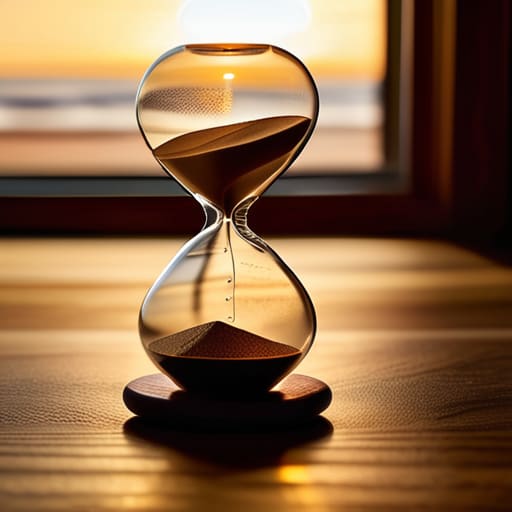
One of the biggest mistakes I see people make is treating their brain like a machine that can run at 100% capacity indefinitely. In my psychology studies at Berkeley, I became fascinated by how our mental energy isn’t an infinite resource; it’s more like a battery that drains with every decision we make. This is where cognitive load management becomes your secret weapon. When we push through hours of intense focus without a structured pause, we aren’t actually being productive—we are just accumulating mental fatigue that will eventually lead to errors and frustration.
By leaning into a rhythmic approach, you aren’t just “taking breaks”; you are actively resetting your neurological baseline. Using structured intervals allows you to oscillate between high-intensity output and restorative downtime, which is essential for avoiding burnout with breaks. I often turn to one of my vintage hourglasses when I feel that mental fog rolling in, reminding myself that a five-minute pause is an investment, not a distraction. When you respect these natural ebb and flow cycles, you transform your workflow from a frantic sprint into a sustainable, intentional marathon.
My Personal Playbook for Making the Pomodoro Method Actually Work
- Don’t just set a timer; curate your environment. Before you start your first twenty-five-minute sprint, clear your desk of anything that doesn’t serve your current task. I’ve found that even a stray coffee mug can become a subtle psychological distraction that breaks your flow.
- Treat your short breaks as sacred, non-negotiable recovery periods. Instead of scrolling through social media—which actually keeps your brain in a state of high cognitive processing—try standing up, stretching, or watching the sand fall in one of my vintage hourglasses. You need a true mental reset to sustain this rhythm.
- Learn to embrace the “interruption log.” We’ve all been there: you’re mid-sprint and suddenly remember you need to email your landlord. Instead of breaking your focus to do it, jot it down on your bullet journal and promise yourself you’ll tackle it during a long break. This protects your cognitive momentum.
- Customize your intervals to match your natural energy peaks. While the standard 25/5 split is a great starting point, I often suggest my clients experiment. If you’re hitting a deep “flow state,” don’t be afraid to extend your work block to 50 minutes, provided you balance it with a longer, restorative break afterward.
- Use your “long breaks” for intentional movement, not just more screen time. The psychology of productivity tells us that physical movement helps consolidate what we’ve just learned or worked on. A quick walk around the block or even just a few mindful breaths can prevent the mid-afternoon burnout that many of us dread.
Finding Your Rhythm: Three Lessons to Carry Forward
Stop viewing the timer as a taskmaster; instead, treat those 25-minute intervals as sacred windows of intention that protect your mental energy from burnout.
Listen to your brain’s unique cues—if a standard interval feels too rushed or too long, don’t be afraid to tweak the rhythm to better suit your personal cognitive flow.
True productivity lives in the breaks, so use your downtime to actually disconnect, whether that’s a quick stretch or watching the sand fall in one of my vintage hourglasses, rather than just scrolling through your phone.
Finding Your Natural Tempo
“The Pomodoro Technique isn’t just a way to track minutes on a clock; it’s a psychological permission slip to stop racing against the day and start working in harmony with your brain’s natural capacity for focus.”
Ella Thompson
Finding Your Personal Rhythm
As we’ve explored, the Pomodoro Technique is so much more than just a timer on your desk; it is a way to respect your brain’s natural limits. By mastering your intervals to facilitate deep work and intentionally managing your cognitive load, you are essentially building a sustainable framework for your focus. Remember, the goal isn’t to see how many red tomatoes you can tick off a list, but to use these structured rhythms to prevent burnout and ensure that your mental energy is being directed toward the tasks that actually move the needle. When you stop fighting against your biology and start working with it, productivity stops feeling like a battle and begins to feel like a purposeful flow.
I often look at my collection of vintage hourglasses when I feel the pressure of a mounting to-do list starting to weigh on me. They remind me that time is finite, but our capacity to live intentionally is nearly limitless. Don’t feel pressured to be perfect with your first few sessions; instead, treat this as an experiment in self-discovery. Adjust the timers, listen to your internal cues, and find the cadence that feels right for your unique life. At the end of the day, I truly believe that when we align our actions with our intentions, we don’t just become more efficient—we become more present in the lives we are working so hard to build.
Frequently Asked Questions
How do I handle unexpected interruptions or urgent tasks when my Pomodoro timer is running?
We’ve all been there—you’re finally in the zone, and suddenly, a “quick” Slack message or an urgent email breaks your flow. My rule? Don’t let the interruption hijack your brain. If it’s truly urgent, pivot and reset your timer. If not, jot it down in your journal to tackle during your next break. Protecting your cognitive rhythm is key; treating every distraction as a “to-do” for later keeps your current momentum intact.
Is it better to stick to the traditional 25-minute intervals, or should I customize the timing to fit my own natural focus spans?
This is such a great question, and honestly, it’s where the psychology of productivity gets really interesting. While the traditional 25-minute sprint is a fantastic baseline for overcoming procrastination, I’m a huge advocate for customization. We aren’t machines with identical operating systems! If you find yourself hitting a “flow state” at the 40-minute mark, don’t let a timer break your momentum. Listen to your brain’s natural rhythm; the goal is alignment, not rigid adherence to a clock.
What are some effective ways to use my short breaks so I actually recharge instead of just scrolling through my phone?
It’s so easy to fall into the “doomscrolling trap” during those five-minute breaks, but that’s actually adding more cognitive clutter rather than clearing it. To truly recharge, I love stepping away from all screens. Try a quick micro-meditation, grab a glass of water, or even just stare out the window to let your eyes rest. Think of it as a mental palate cleanser—you’re resetting your brain, not just pausing your work.
