I was staring at a sea of mass-produced, plastic terracotta pots from a big-box store, feeling that familiar sense of mental clutter. We’ve been told that decorating our homes requires a massive budget or a professional designer, but that’s a total myth. In reality, the most intentional spaces are built through small, mindful actions—like crafting your own diy planters to ground your environment. I remember my first attempt; it was a messy, slightly lopsided tin can, but seeing that first sprig of mint thrive in something I actually built changed my entire perspective on my workspace. It wasn’t just about the plant; it was about the agency I felt in creating my own little oasis.
In this guide, I’m stripping away the fluff and the “Pinterest-perfect” pressure to give you a practical roadmap for success. We aren’t just making crafts; we are designing tools for a more intentional lifestyle. I’ll walk you through selecting the right materials, understanding the psychology of color and texture in your home, and the technical basics of ensuring your plants actually thrive. You’re going to learn how to create meaningful greenery that fits your unique rhythm without wasting a second of your precious time.
Table of Contents
- Step-by-Step Instructions
- Upcycled Container Gardening Finding Meaning in Repurposed Household Items
- Sustainable Gardening Projects Crafting a Purposeful Indoor Herb Garden Diy
- Beyond the Craft: 5 Psychological Anchors for Your DIY Planter Projects
- Cultivating Your Intentional Green Space
- ## The Psychology of Growth
- Bringing Your Vision to Life
- Frequently Asked Questions
Guide Overview
Tools & Supplies
- Drill with drill bits for creating drainage holes
- Measuring tape for precise sizing
- Scissors or utility knife for cutting materials
- Upcycled containers (tins, plastic bottles, or wooden crates) 1-3 units
- Potting soil 1 bag
- Small stones or gravel for drainage 1 small bag
- Decorative paint or twine for styling 1 set
Step-by-Step Instructions
- 1. First, I want you to gather your materials, but don’t just grab anything from the junk drawer. Think about the intentionality of your space. You’ll need a sturdy container—like a vintage tin, a ceramic mug, or even a reclaimed wooden box—along with some well-draining potting soil, small pebbles for drainage, and your chosen greenery. I find that choosing containers with unique textures helps ground my workspace and makes the process feel more like a ritual than a chore.
- 2. Before you even touch the soil, take a moment to prep your container. If you’re using something that doesn’t have built-in drainage holes, like a cute thrifted teapot, you’ll need to create a “drainage layer” at the bottom. Pour about an inch of small pebbles or gravel into the base. This is a crucial step to prevent root rot, which is essentially the plant equivalent of burnout—too much pressure with nowhere to go.
- 3. Now, it’s time to add your medium. Scoop your potting soil into the container, filling it about halfway. I like to use my hands for this part; there’s something incredibly therapeutic about the tactile sensation of the earth. As you add the soil, try to visualize the space you are creating for your plant to grow and thrive, much like how we structure our daily routines to allow for personal growth.
- 4. Gently remove your plant from its nursery pot. If the roots feel a bit cramped, give them a very light massage to loosen them up—think of it as a micro-meditation for your greenery. Place the plant in the center of your DIY planter, ensuring it sits at a height where the rim of the pot is still visible. This balance is key to making sure the plant looks settled and purposeful in its new home.
- 5. Fill in the gaps around the sides of the plant with more soil, pressing down very lightly with your fingers. You want to eliminate large air pockets without compacting the soil too tightly. If the soil level is too low, add a little more until it sits about a half-inch below the rim. This prevents water from overflowing and keeps the process clean and controlled.
- 6. Once your plant is tucked in, give it a gentle “welcome home” watering. Pour just enough water to dampen the soil thoroughly, but stop before it pools at the top. I always keep a small vintage watering can nearby for this; it turns a mundane task into a mindful moment of connection with my environment.
- 7. Finally, find the perfect spot for your new creation. Whether it’s on your desk to provide a pop of color during deep-work sessions or on a windowsill to catch the morning light, place it where it will actually serve your well-being. A plant isn’t just decor; it’s a living reminder to breathe and stay present amidst the chaos of a busy day.
Upcycled Container Gardening Finding Meaning in Repurposed Household Items
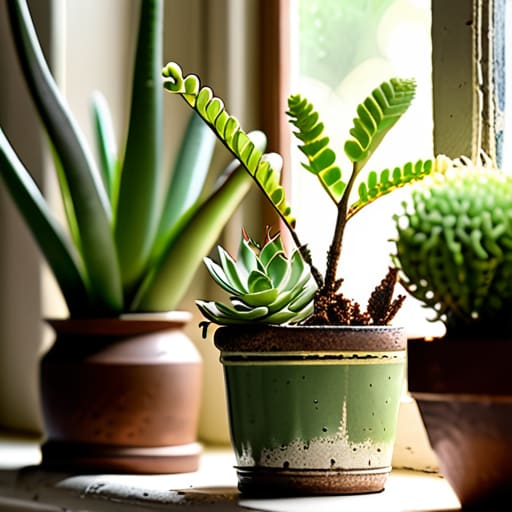
One of my favorite ways to practice mindfulness is through the act of transformation. When I look at an old, chipped ceramic mug or a weathered tin can, I don’t just see clutter; I see the potential for a new life cycle. Engaging in upcycled container gardening allows us to slow down and find beauty in the overlooked. By using repurposed household items for plants, you aren’t just saving money—you’re practicing a form of environmental stewardship that aligns perfectly with a mindful lifestyle.
If you’re feeling a bit stuck, start small with your kitchen scraps. An old colander makes a stunning, breathable vessel for a sprawling ivy, and even empty glass jars can be turned into a beautiful indoor herb garden diy project on your windowsill. The key is to look at your surroundings through a lens of possibility rather than utility. When we choose to breathe life into something discarded, we create a sense of intentionality in our living spaces that store-bought decor simply can’t replicate. It’s about making your environment reflect your values, one repurposed vessel at a time.
Sustainable Gardening Projects Crafting a Purposeful Indoor Herb Garden Diy
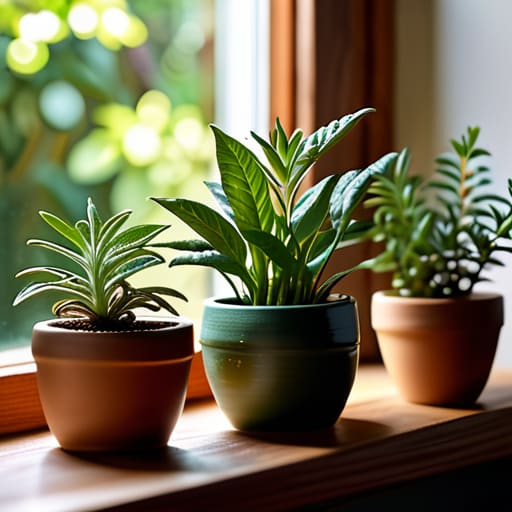
There is something incredibly grounding about nurturing life right on your windowsill. For me, an indoor herb garden DIY isn’t just about having fresh basil for dinner; it’s about creating a sensory ritual that anchors you during a frantic workday. When I’m feeling overwhelmed by a mounting to-do list, I find myself stepping away from my screen to check on my rosemary or mint. It’s a tiny, living reminder to breathe and stay present.
To keep this project aligned with a mindful lifestyle, I highly recommend focusing on sustainable gardening projects that minimize waste. You don’t need to rush to a big-box store to buy expensive ceramic pots. Instead, look toward your kitchen or pantry for repurposed household items for plants, like old glass jars or even sturdy tin cans. By giving these objects a second life, you aren’t just decorating; you are practicing intentionality. This approach turns a simple hobby into a meaningful way to reduce your footprint while bringing a lush, vibrant energy into your home workspace.
Beyond the Craft: 5 Psychological Anchors for Your DIY Planter Projects
- Match your planter’s energy to your workspace. If you’re someone who thrives in calm, minimalist environments, opt for sleek, neutral-toned containers; if you need a burst of creative dopamine, don’t be afraid to go bold with vibrant colors and textures.
- Prioritize drainage to prevent “decision fatigue” later. There is nothing more draining than having to troubleshoot a dying plant because your beautiful DIY vessel lacks a way for excess water to escape—always drill those holes first.
- Use your planters as visual cues for mindfulness. I like to place my smallest, most delicate succulents right next to my vintage hourglasses; seeing them serves as a gentle, green reminder to breathe and reset when my schedule gets hectic.
- Consider the “growth trajectory” of your plant before you commit to a vessel. It’s easy to get swept up in the aesthetic of a tiny, vintage teacup, but if you’re planting something with aggressive roots, you’re setting yourself up for a cycle of constant, stressful repotting.
- Curate your greenery to support your mental intention. If your goal is focus, surround your DIY planters with snake plants or ZZ plants; if you need stress relief after a long day of consulting, lean into the lush, soft textures of ferns.
Cultivating Your Intentional Green Space
Remember that the goal isn’t just to add more “stuff” to your desk; it’s about selecting planters that foster a sense of calm and purpose in your daily environment.
Don’t let perfectionism stall your progress—upcycling an old mug or a vintage tin is a beautiful way to practice mindfulness and give new life to objects that already hold meaning.
View your DIY gardening as a rhythmic ritual rather than another chore on your to-do list, using the care of your plants to ground yourself amidst a busy schedule.
## The Psychology of Growth
“Building a DIY planter isn’t just about creating a vessel for soil; it’s about designing a dedicated space for growth, where the intentionality you pour into the craft mirrors the mindfulness you bring to your own daily rhythms.”
Ella Thompson
Bringing Your Vision to Life
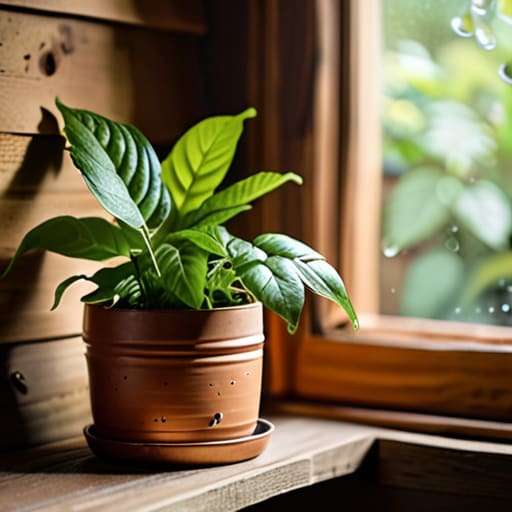
As we wrap up this journey of creation, I hope you see that building your own planters is about so much more than just finding a place for soil and seeds. Whether you chose to breathe new life into an old tin can through upcycling or carefully curated a sustainable herb garden, you have successfully practiced the art of intentional living. We’ve explored how repurposing what we already own can reduce waste, and how creating dedicated green spaces can actually ground our mental state. By taking these small, tactile steps, you aren’t just decorating a room; you are designing an environment that supports your well-being and reflects your unique rhythm.
At the end of the day, my goal isn’t for you to have the most Pinterest-perfect garden on the block, but to have a space that feels deeply connected to your purpose. Life can get incredibly chaotic—I certainly feel that pull toward constant busyness every single day—but these little pockets of greenery serve as a much-needed anchor. I encourage you to look at your new planters not as finished tasks on a checklist, but as living invitations to slow down and breathe. Remember, productivity is never about how many chores we complete, but about how much meaning we cultivate in the spaces we inhabit.
Frequently Asked Questions
How can I ensure my upcycled containers won't cause mold or rot if I'm using them for moisture-loving plants?
This is such a common concern, and honestly, it’s where many of my clients stumble when they try to balance creativity with sustainability. To prevent rot, you have to prioritize airflow. If you’re repurposing a tin can or a plastic jug, grab a drill and create several drainage holes at the bottom. I also swear by adding a layer of pebbles or activated charcoal at the base; it acts as a buffer, ensuring your plants thrive without the dampness turning into a messy habit.
Are there specific psychological benefits to choosing certain colors or textures when designing my DIY planters for a workspace?
Absolutely! Since I studied psychology at Berkeley, I’m obsessed with how our environment shapes our mental state. When designing your planters, think about the “vibe” you need to focus. If you’re feeling overwhelmed, opt for soft, organic textures like terracotta or unglazed ceramic; they feel grounding. For a midday energy boost, incorporate pops of yellow or bright green. Using color and texture isn’t just about aesthetics—it’s about intentional sensory design to regulate your mood.
What is the best way to balance my desire for aesthetic, handcrafted planters with the practical need for proper drainage and plant health?
This is such a common tension between form and function! I used to prioritize aesthetics so much that I’d end up with a beautiful ceramic vessel that actually stunted my plant’s growth. My rule of thumb? Never compromise on drainage. If you find a stunning handcrafted piece without holes, use it as a “cachepot”—keep your plant in a practical plastic nursery pot with drainage, then nestle it inside the beautiful one. It’s the perfect marriage of style and science.
