I remember sitting at my desk in Berkeley, staring at a mountain of psychology textbooks while my stomach growled, realizing I had zero plan for dinner. It’s that classic, overwhelming feeling: you want to eat well, but the mental load of deciding what to cook, shopping for ingredients, and cleaning up feels like a second full-time job. We often fall into the trap of thinking that healthy eating requires hours of prep, but that’s a recipe for burnout. When you’re trying to find your rhythm, searching for easy meals for beginners shouldn’t feel like a daunting research project; it should be a way to reclaim your evening.
In this post, I’m stripping away the complexity to share five of my absolute favorite go-to recipes. These aren’t just random ideas; they are high-impact, low-effort solutions designed to fuel your body without draining your precious mental energy. By the end of this list, you’ll have a toolkit of nutritious meals that fit perfectly into even the most chaotic schedules. Let’s stop letting “what’s for dinner?” be a source of stress and start making it a seamless part of your productive day.
Table of Contents
The Power of the Sheet Pan Roast
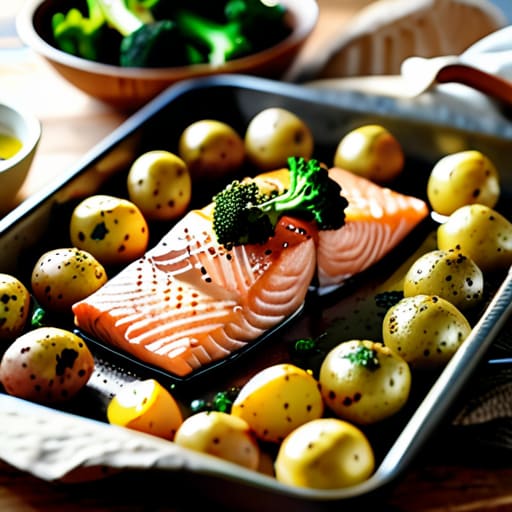
When I first started my consulting practice, my kitchen was a disaster zone because I was trying to cook complex recipes after a ten-hour workday. I quickly learned that the secret to staying consistent isn’t culinary mastery, but rather reducing decision fatigue. Sheet pan meals are a total game-changer for this; you simply toss your proteins and veggies in olive oil and spices, spread them out, and let the oven do the heavy lifting while you focus on your evening wind-down.
One-Pot Pasta Perfection
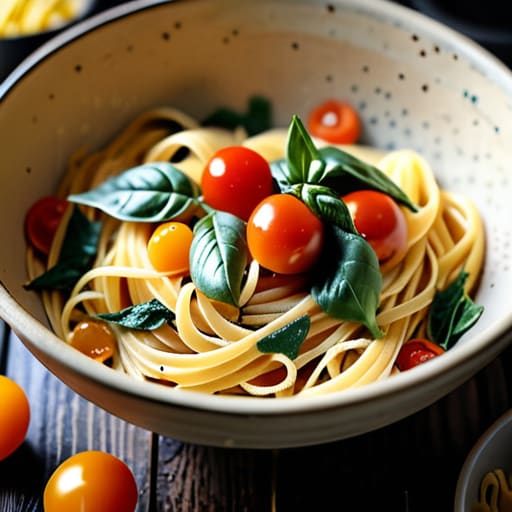
We often fall into the trap of thinking that a “real” meal requires a dozen different components, but that’s a fast track to burnout. I’m a huge advocate for the one-pot pasta method because it streamlines the entire process from start to finish. You essentially cook your noodles directly in a flavorful broth or sauce, which allows the starches to create a naturally creamy texture without needing a bunch of extra ingredients or complicated techniques.
The Elevated Grain Bowl
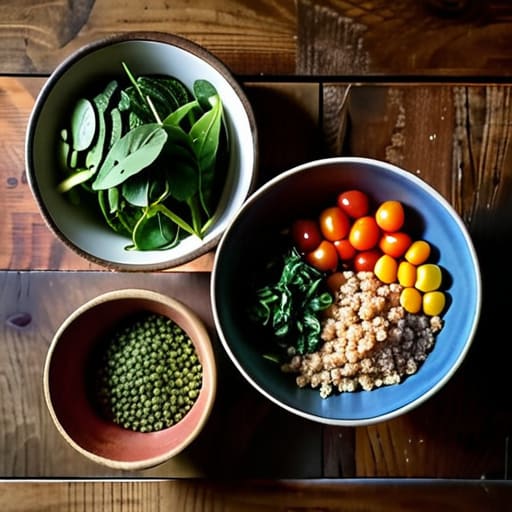
I love grain bowls because they embrace the concept of “modular productivity.” Instead of following a rigid recipe, you treat your meal like a collection of small, manageable tasks. Start with a base of pre-cooked quinoa or brown rice, add a handful of greens, some canned chickpeas for protein, and whatever raw veggies you have on hand. It’s a way to build a nutrient-dense meal that feels completely customized to your cravings at that exact moment.
Breakfast for Dinner
Sometimes, the most productive thing you can do is lean into simplicity. We often overcomplicate our evening routines, but there is no rule saying you can’t have scrambled eggs and avocado toast at 7:00 PM. I call this “low-friction dining.” When my cognitive load is maxed out, reaching for high-quality proteins like eggs is a way to nourish my body without requiring any intense focus or complex timing.
The No-Cook Mediterranean Plate
There are days when even turning on the stove feels like too much of a cognitive demand. In my experience, the most sustainable way to eat well is to have a “no-cook” fallback option ready to go. A Mediterranean plate—think hummus, olives, sliced cucumbers, feta cheese, and some whole-grain crackers—is essentially a deconstructed meal that requires zero heat and minimal effort.
Finding Your Rhythm in the Kitchen
Remember that meal prepping isn’t about achieving culinary perfection; it’s about reducing decision fatigue so you can save your mental energy for the things that actually matter.
Focus on high-impact, simple ingredients that nourish your body without turning your kitchen into a source of stress or another overwhelming task on your list.
Treat your cooking routine as a way to reclaim your time, using these easy wins to create more space for mindfulness and the activities that truly fuel your soul.
The Psychology of the Plate
“We often treat meal prep like a high-stakes performance, but true efficiency lies in lowering the barrier to entry; when we simplify our kitchen routines, we aren’t just saving time—we’re preserving the mental bandwidth we need to show up fully for the things that actually matter.”
Ella Thompson
Reclaiming Your Evening Routine
As we wrap up, I want you to take a second to look back at these five options. Whether you’re leaning into the simplicity of a sheet-pan dinner or the efficiency of a hearty grain bowl, the goal isn’t to become a Michelin-star chef overnight. It’s about reducing the cognitive load that comes with the dreaded “what’s for dinner?” question. By selecting meals that require minimal prep and cleanup, you aren’t just feeding your body; you are actively protecting your most precious resource: your time. Remember, the best recipe is the one that actually gets eaten without leaving you feeling completely drained by the time you reach the sink.
At the end of the day, I truly believe that how we nourish ourselves is a profound act of self-care. We often fall into the trap of thinking that “productivity” means perfecting every single aspect of our lives, but I’ve learned through my own journey—and through many late nights staring at a messy kitchen—that true efficiency is about intentionality over perfection. Don’t let a complex recipe or a sink full of dishes discourage you. Start small, find your rhythm, and give yourself the grace to grow at your own pace. You deserve a life that feels as good as it looks, one delicious, simple meal at a time.
Frequently Asked Questions
How can I stick to these simple meal plans when I'm feeling too exhausted to even think about cooking?
I completely hear you—there’s nothing more draining than staring at a fridge when your brain is already at zero percent. When exhaustion hits, stop trying to “cook” and start “assembling.” This is where my vintage hourglasses come in handy; I use those tiny breaks to remind myself to lower the bar. Keep “emergency” staples like frozen veggies or rotisserie chicken on hand. On those nights, your goal isn’t culinary excellence; it’s simply fueling yourself.
What are some budget-friendly ways to keep my pantry stocked with these beginner-friendly staples?
I used to feel so overwhelmed by grocery runs, but I’ve learned that a stocked pantry is all about intentionality, not excess. To keep costs down, I swear by buying staples like grains and legumes in bulk—it’s a total game-changer for your budget. I also love a “shop your pantry” night once a week to use up what I already have. It reduces waste and keeps your decision fatigue at bay!
Is there a way to prep these meals in advance without everything losing its freshness by midweek?
I totally get that anxiety—there’s nothing worse than looking forward to a meal only to find it’s turned into a soggy mess. I actually use a “component prepping” method rather than full meal assembly. Instead of mixing everything, I prep individual ingredients like roasted veggies or grains in separate airtight containers. This keeps textures intact and lets you assemble everything fresh right before eating. It’s a small psychological shift that makes your mid-week meals feel brand new.
