I remember sitting at my desk last Tuesday, staring at a mountain of spreadsheets, while my stomach growled with the realization that I had absolutely nothing edible ready for lunch. It’s that classic, frantic cycle: you start the week with the best intentions, but by Wednesday, decision fatigue sets in and you end up grabbing whatever processed convenience food is within arm’s reach. We often view nutrition as just another task on an endless to-do list, but I’ve learned that without a strategy, we aren’t just losing time—we are draining our mental energy. Finding sustainable healthy meal prep ideas isn’t about becoming a kitchen slave or spending your entire Sunday in a flour-dusted trance; it’s about building a system that protects your focus.
In this post, I’m stripping away the complexity and sharing five of my go-to frameworks for reclaiming your lunch hour. We aren’t just talking about Tupperware containers; we are looking at how to design a nutrition system that works with your biology, not against it. By the end of this list, you’ll have the tools to transform your kitchen from a source of stress into a cornerstone of your productivity.
Table of Contents
The Power of Component Prepping
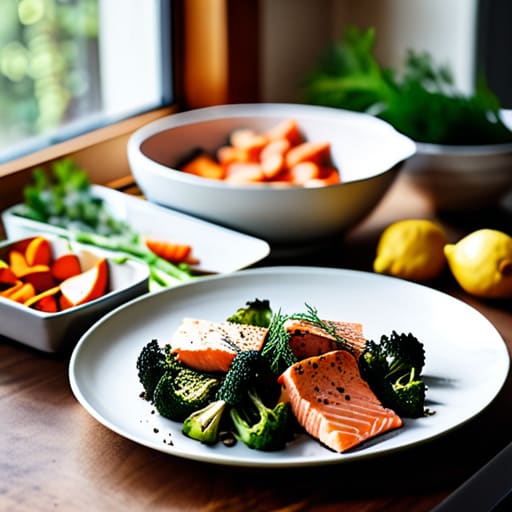
Most people approach meal prep like they’re preparing for a military operation, trying to box up entire, rigid meals that lose their soul by Wednesday. I prefer the component method. Instead of making five identical chicken salads, I spend my Sunday roasting two trays of seasonal vegetables, cooking a large batch of quinoa, and preparing a versatile protein like lemon-herb salmon. This gives you the psychological freedom to assemble and adapt based on your mood and energy levels throughout the week.
Batch-Cooking Your Liquid Gold
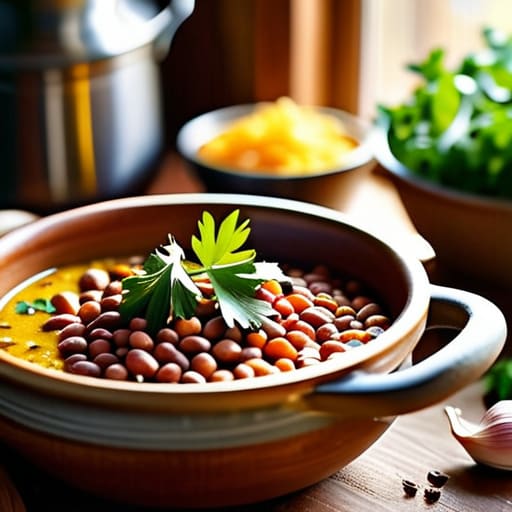
There is something incredibly soothing about the ritual of simmering a large pot of soup or stew on a Sunday afternoon. I often find myself watching the steam rise, using that time to reset my mind before the Monday rush. Beyond the aromatherapy, batch-cooking soups, stews, or even hearty lentil dal is one of the most efficient uses of your time. These dishes actually tend to taste better after a day or two in the fridge as the flavors marry and deepen.
The Breakfast Buffer Strategy
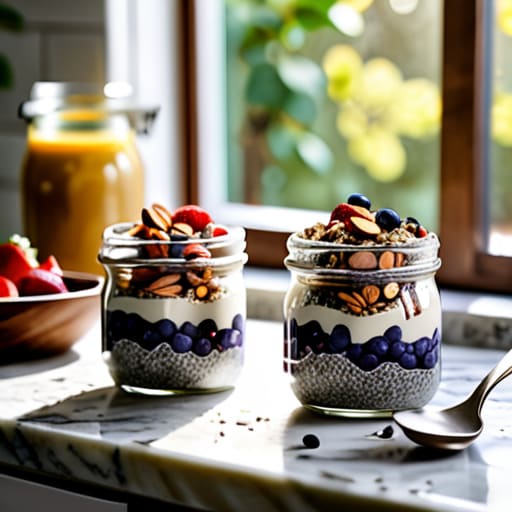
We often spend so much mental energy planning our lunches and dinners that we completely neglect the most important fuel of the day. I’ve learned through my own trial and error that a chaotic morning almost always dictates a fragmented afternoon. If you start your day by scrambling for a piece of toast or, worse, skipping breakfast entirely, you’re setting your cognitive rhythm up for a crash. I love prepping overnight oats or chia seed puddings in small glass jars.
Mastering the Sauce Secret
If you’ve ever felt like meal prepping is boring or repetitive, you’re likely missing the most important element: the flavor profile. You can eat the exact same base of roasted sweet potatoes and kale three days in a row and feel like a gourmet chef if you simply rotate your dressings. I always keep a few homemade sauces on hand—think a creamy tahini dressing, a spicy peanut sauce, or a bright chimichurri.
Smart Protein Sourcing
Protein is the cornerstone of satiety, and from a psychological standpoint, it’s what keeps those mid-afternoon hunger pangs from turning into a total loss of productivity. Instead of trying to cook complex meat dishes, I recommend prepping versatile protein bases. This might mean hard-boiling a dozen eggs, baking a batch of seasoned tofu cubes, or even prepping a large container of seasoned chickpeas.
Reclaiming Your Time Through Intentional Nutrition
Stop viewing meal prep as just another box to check on your to-do list; instead, treat it as a strategic investment in your mental clarity and daily energy levels.
Focus on systems over perfection by building a repeatable framework that reduces decision fatigue when you’re at your most exhausted.
Remember that the ultimate goal of a nutrition system isn’t just physical health, but creating the cognitive space you need to focus on the work and passions that truly matter.
The Psychology of the Prep
“Meal prepping isn’t about obsessing over Tupperware or counting every single calorie; it’s about removing the decision fatigue that drains your mental energy, so you can show up as your best self when it actually counts.”
Ella Thompson
Reclaiming Your Time and Your Plate
As we wrap up, I want you to remember that meal prepping isn’t about achieving some unattainable standard of kitchen perfection or spending your entire Sunday in a flour-dusted trance. Whether you’re leaning into the simplicity of batch-cooking grains, the efficiency of “buffet-style” component prepping, or the mindful ritual of slow-roasting seasonal vegetables, the goal is the same: to reduce the number of decisions you have to make when you are tired and hungry. By implementing these strategies, you aren’t just organizing containers; you are protecting your mental energy from the decision fatigue that often leads to mindless snacking or expensive takeout orders.
At the end of the day, your relationship with food should serve your life, not consume it. I often find myself staring at my vintage hourglasses during a break, reminded that time is our most precious, non-renewable resource. Don’t let your nutrition become another source of stress on your to-do list. Instead, view your meal prep as an act of self-kindness—a way to gift your future self a smoother, more intentional week. You have the power to design a rhythm that nourishes your body and respects your schedule. Now, go grab your planner, pick one method that feels doable, and start small. You’ve got this.
Frequently Asked Questions
How do I prevent my prepped meals from getting boring or tasting like "leftovers" by midweek?
The “leftover blues” happen when we prep entire meals instead of components. My secret? Stop building static dishes and start prepping “flavor modules.” Instead of a finished chicken pasta, prep roasted chicken, a jar of lemon-tahini dressing, and some sautéed greens separately. By assembling them fresh each day and swapping your sauces or spices, you’re essentially “re-dressing” your ingredients. It keeps the textures crisp and makes every meal feel intentional, not recycled.
I struggle with decision fatigue—is there a way to meal prep without spending my entire Sunday planning every single ingredient?
I hear you, and honestly, I’ve been there. When your brain is already fried from a week of high-stakes decisions, the last thing you need is a complex spreadsheet of ingredients. Try the “Component Method” instead. Don’t plan full recipes; just prep versatile building blocks—a batch of roasted veggies, a grain, and a protein. It turns mealtime into a quick assembly job rather than a mental marathon, saving your decision capital for what truly matters.
What are some realistic ways to meal prep when I have a chaotic schedule and unpredictable work hours?
When your schedule feels like a moving target, the biggest mistake is trying to prep entire, rigid meals. Instead, think in “components.” Spend twenty minutes roasting a batch of veggies and boiling some eggs; these are your building blocks. If a work crisis hits, you can toss them into a quick grain bowl in seconds. Focus on flexibility over perfection—prep for the chaos, not against it, so you’re never left scrambling.
