I was standing in my kitchen last Tuesday, staring at a leaking bottle of dish soap that had somehow migrated to the very back of a dark, chaotic abyss, when it hit me: we’ve been lied to about home management. Most “organization gurus” want you to believe that learning how to organize under the sink requires a massive investment in $50 acrylic bins and a complete kitchen overhaul. They sell you the idea that aesthetic perfection is the only way to achieve order, but honestly? That’s just performative productivity. When you’re elbow-deep in cleaning supplies, you don’t need a Pinterest-perfect showroom; you need a system that actually works with your brain, not against it.
In this guide, I’m stripping away the fluff and the expensive clutter to give you a psychological blueprint for a functional space. We aren’t just moving bottles around; we are going to apply some intentional design principles to ensure your most cluttered corner becomes a source of calm rather than a micro-stressor. I’ll show you how to categorize your essentials based on frequency of use and how to reclaim that wasted square footage without breaking your budget. Let’s stop chasing the “perfect look” and start building a rhythm of efficiency that actually lasts.
Table of Contents
- Maximizing Small Cabinet Space Through Mindful Curation
- Kitchen Cabinet Decluttering Tips for a Purposeful Home
- Five Intentional Strategies to Reclaim Your Under-Sink Sanctuary
- Small Changes for a More Intentional Kitchen
- The Psychology of the Sink
- Finding Your Flow Beneath the Sink
- Frequently Asked Questions
Maximizing Small Cabinet Space Through Mindful Curation
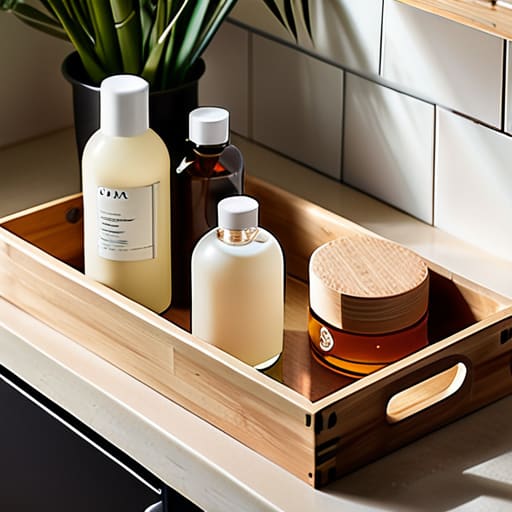
When I first started diving into the psychology of our living spaces, I realized that a cluttered cabinet isn’t just a physical mess—it’s a subtle form of mental friction. Every time you struggle to find the dish soap, you’re experiencing a tiny micro-stressor that drains your focus. To combat this, I recommend approaching your space through the lens of mindful curation rather than just “stuffing things in.” Start by applying some essential kitchen cabinet decluttering tips: if you haven’t used that specific heavy-duty degreaser in six months, it’s likely just taking up precious mental and physical real estate.
Once you’ve narrowed down your essentials, focus on intentional accessibility. This is where the magic happens. Instead of digging through a dark abyss, I love using under sink pull out organizers to bring everything to the forefront. It transforms a chaotic corner into a streamlined system where every item has a dedicated home. By investing in a few smart storage solutions, you aren’t just tidying up; you are actively designing a routine that supports a calmer, more efficient version of yourself.
Kitchen Cabinet Decluttering Tips for a Purposeful Home
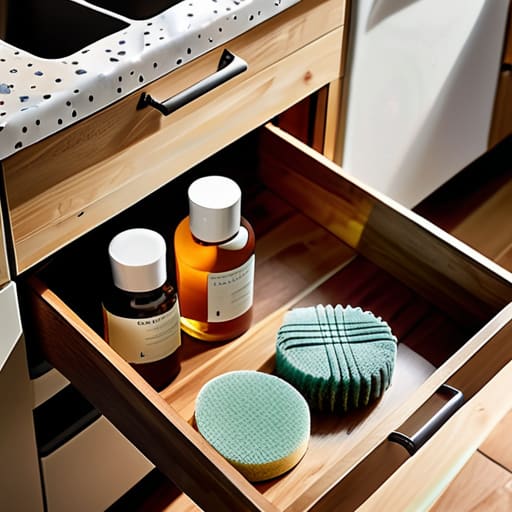
When I first started my journey into productivity, I realized that my physical environment was a direct reflection of my mental state. If my kitchen cabinets were a chaotic mess of half-empty bottles and expired sponges, my brain felt just as scattered. To truly find your rhythm, you need to approach your kitchen cabinet decluttering tips with a sense of intention. Instead of just moving things around, ask yourself: Does this item actually serve my current lifestyle? If you haven’t touched that specialty gadget in two years, it’s likely just taking up precious mental and physical real estate.
Once you’ve cleared the excess, it’s time to build a system that supports your flow. I’m a huge advocate for using under sink pull out organizers because they eliminate the “black hole” effect where supplies go to die in the back of the cabinet. I also highly recommend investing in some high-quality waterproof cabinet liners; they don’t just protect your wood from inevitable leaks, they provide a clean, structured foundation that makes maintenance feel effortless rather than a chore.
Five Intentional Strategies to Reclaim Your Under-Sink Sanctuary
- Group your essentials by “use-case” rather than just size. I’ve found that when I group all my surface cleaners together and all my scrubbers in another small bin, I stop the frantic searching that usually happens right when I’m mid-task. It’s about reducing the cognitive load of finding what you need.
- Utilize vertical real estate with expandable shelving. Most of us waste the top half of that dark cabinet, but by adding a small, tiered shelf, you’re essentially creating a second floor. This prevents that dreaded “tower of doom” where you have to move five things just to reach the sponge at the bottom.
- Invest in clear, stackable bins to create visual transparency. There is a psychological weight to looking into a dark, cluttered cabinet. Using clear containers allows your brain to instantly register what you have, which eliminates that “do I have more dish soap?” anxiety during your grocery run.
- Implement a “one-in, one-out” rule for cleaning supplies. It’s so easy to let half-empty bottles of niche cleaners accumulate, but they just create physical and mental noise. If you buy a new multi-purpose spray, commit to finishing or recycling an old one first to keep the space breathable.
- Use a tension rod to hang spray bottles. This was a total game-changer for my own routine. By hanging your bottles by their triggers on a small rod, you free up the entire floor of the cabinet for larger items like buckets or bulk refills, turning wasted air into functional storage.
Small Changes for a More Intentional Kitchen
Stop treating your under-sink area like a graveyard for half-empty bottles; by curating only what you actually use, you reduce the visual noise that drains your mental energy.
Use vertical space and tiered organizers to create a sense of order, allowing you to find what you need without the frantic, stress-inducing scramble through cluttered corners.
View your organization process as a ritual of mindfulness rather than a chore, ensuring your kitchen environment supports a calm, efficient flow for your daily routine.
The Psychology of the Sink
“When we stop treating our under-sink cabinets like a graveyard for half-empty bottles and start treating them as a curated toolkit, we aren’t just organizing cleaning supplies—we’re reclaiming the mental clarity that comes from an intentional, friction-free home.”
Ella Thompson
Finding Your Flow Beneath the Sink
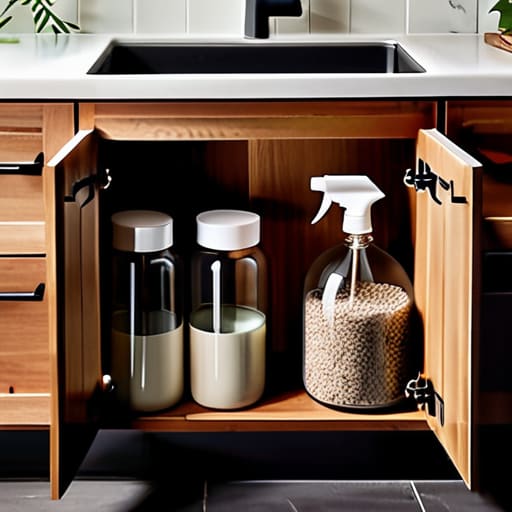
As we’ve explored, organizing your under-sink area isn’t just about neatly lining up spray bottles or finding the perfect stackable bin; it’s about the intentionality behind every item you choose to keep. By practicing mindful curation and applying purposeful decluttering techniques, you’ve transformed a chaotic, dark corner into a space that actually serves your daily needs. Remember that the goal isn’t to achieve a Pinterest-perfect aesthetic for the sake of appearances, but to create a system where everything has a designated home. When you reduce the friction of searching for a sponge or a scrub brush, you are effectively minimizing micro-stressors that clutter your mental bandwidth throughout the day.
At the end of the day, I want you to look at your organized cabinet and see more than just storage—see a reflection of your commitment to a more intentional lifestyle. We often think productivity requires massive, sweeping changes, but true transformation usually happens in these small, quiet pockets of our homes. Every time you open that cabinet and find exactly what you need without a struggle, you are reinforcing a habit of clarity and ease. Trust the process, honor your own unique rhythm, and remember that by mastering these tiny spaces, you are ultimately reclaiming the mental space necessary to focus on what truly matters in your life.
Frequently Asked Questions
How can I organize these heavy cleaning supplies without making it a struggle to reach them every single day?
I totally get that struggle—nothing kills my morning momentum like wrestling with a heavy bottle of bleach tucked behind a stack of sponges. To avoid that friction, I recommend the “frequency-first” rule. Group your heavy hitters—like laundry detergent or floor cleaner—on the lowest, most accessible shelf or even in a rolling bin. By placing the weight at the base, you stabilize the cabinet and save your back (and your patience) every single day.
What are some ways to manage leaky bottles or damp sponges so they don't create a mess under my cabinets?
Nothing kills my productivity quite like the mental friction of finding a sticky, mysterious puddle under the sink. To stop the chaos, I swear by using small, waterproof plastic bins to corral leaky bottles; it keeps the mess contained and makes cleaning a breeze. For those damp sponges, ditch the direct contact and grab a small, elevated wire basket. Letting them air-dry properly prevents that dreaded, soggy buildup and keeps your space feeling fresh.
I have a tiny, awkward space—should I prioritize using stackable bins or pull-out drawers to make the most of it?
If you’re dealing with a cramped, awkward nook, I’d lean toward pull-out drawers. In my experience, stackable bins often lead to “buried treasure syndrome”—you end up digging through layers, which creates friction and mental clutter. Pull-out drawers bring everything to you, respecting your time and energy. Think of it as reclaiming accessibility; when you can see everything at a glance, you reduce the decision fatigue that usually comes with a messy cabinet.
