I used to think that a Pinterest-perfect bathroom meant buying a dozen matching acrylic bins and color-coding my skincare like it was a high-stakes art project. But let’s be real: most “aesthetic” advice for bathroom organization is just a recipe for more clutter and wasted time. I remember standing in my tiny apartment bathroom last Tuesday, staring at a mountain of half-used serums and tangled hair ties, feeling completely overwhelmed by the sheer friction of my morning routine. It wasn’t just a messy counter; it was a mental drain that stole my focus before the day even truly began.
I’m not here to sell you on expensive organizers that will just end up overflowing by next month. Instead, I want to show you how to use a little bit of psychology to design a space that actually works for you. We are going to strip away the fluff and focus on intentional systems that reduce decision fatigue and reclaim your morning calm. This isn’t about achieving perfection; it’s about creating a functional sanctuary that supports your rhythm and lets you start your day with intention.
Table of Contents
Decluttering Bathroom Vanity to Quiet the Morning Mind
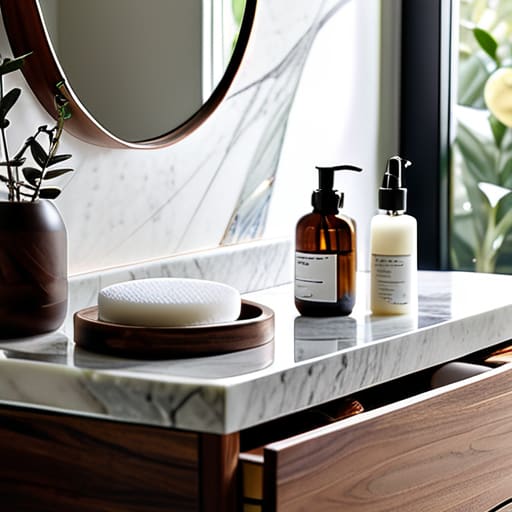
I remember a time when my own morning routine felt like a frantic scavenger hunt. I’d spend ten minutes just digging through a mountain of half-used serums and tangled hair ties, my cortisol levels spiking before I’d even had my first sip of coffee. When we look at a chaotic surface, our brains perceive it as an unfinished task, which creates a subtle but persistent mental weight. Decluttering your bathroom vanity isn’t just about aesthetics; it’s about reducing the cognitive load you face the moment you wake up.
To start, I recommend a “ruthless edit” of your daily essentials. If you haven’t reached for that specific eye cream in three months, it doesn’t belong on your counter. By implementing some simple bathroom countertop decluttering tips—like using a small, chic tray to corral only your most-used items—you create a visual “calm zone.” This intentionality transforms your vanity from a site of chaos into a curated space that supports your morning rituals rather than interrupting them. When your physical environment is streamlined, your mind finally has the breathing room to settle into the day.
Organizing Toiletries and Skincare for Mindful Self Care
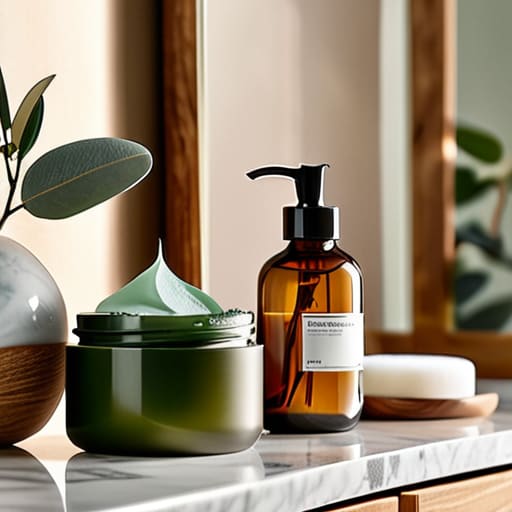
Once we’ve cleared the surface clutter, we can finally address the real heavy hitters: our skincare and hygiene products. I used to treat my morning routine like a frantic scavenger hunt, digging through a chaotic pile of serums and cleansers just to find my moisturizer. It was the antithesis of self-care. Now, I view organizing toiletries and skincare as a way to respect my future self. By grouping products by their function—cleansing, treating, and hydrating—you create a logical flow that mirrors the steps of your ritual.
If you’re working with limited real estate, don’t feel defeated by a tiny footprint. I’ve found that maximizing vertical bathroom space is a total game-changer for keeping those daily essentials within reach without crowding your sink. Think about using tiered acrylic trays or even small, stackable drawers inside your cupboards. These little bathroom cabinet organization ideas allow you to see everything at a glance, removing that subtle cognitive friction that turns a relaxing moment into a stressful chore. When your tools are visible and accessible, your morning ritual can finally become the sanctuary you deserve.
Five Small Shifts to Reclaim Your Morning Flow
- Implement a “One-In, One-Out” Rule for Skincare: We’ve all been there—buying a new serum while three half-empty bottles hide in the back of the cabinet. To prevent that sense of visual overwhelm, commit to finishing or donating a product before introducing a new one to your collection.
- Utilize Vertical Space to Reduce Countertop Friction: A cluttered surface is a cognitive drain. Use tiered organizers or even small floating shelves to lift your daily essentials off the counter, creating a clear, open space that invites calm rather than chaos.
- Create “Ritual Zones” with Decorative Trays: Instead of letting your toothbrush, perfume, and hair ties scatter, group them on a beautiful ceramic or wooden tray. This psychological grouping tells your brain that these items belong to a specific ritual, making the transition into your morning routine feel intentional.
- Audit Your “Just-in-Case” Stash: We often hoard extra shampoo bottles or half-used cotton pads “just in case,” but this hidden clutter creates a sense of mental heaviness. Be ruthless with your under-sink storage; if you haven’t touched it in three months, it’s likely just taking up valuable mental real estate.
- Use Transparent Containers for Visual Clarity: There is a specific kind of anxiety that comes from digging through opaque bins to find a hair tie. Switch to clear acrylic organizers so you can see exactly what you have at a glance, removing the micro-frustrations that can derail your focus before your day even begins.
Small Shifts for a Calmer Morning
Treat your bathroom organization as a psychological tool; by removing visual clutter, you reduce the “cognitive load” that often leads to morning decision fatigue.
Design your space around your rituals, not just your products, by ensuring your most essential self-care items are the easiest to reach and use.
View organization as an act of intentionality rather than a chore, turning your morning routine from a frantic rush into a grounding moment of clarity.
The Psychology of Space
“Your bathroom shouldn’t be a graveyard for half-used bottles and tangled hair ties; it should be a curated sanctuary where the absence of visual noise allows your morning mind to finally find its center.”
Ella Thompson
Creating Your Morning Sanctuary
As we’ve explored, organizing your bathroom isn’t just about finding a place for every serum and toothbrush; it’s about reducing the cognitive load that greets you the moment you wake up. By decluttering your vanity and intentionally arranging your skincare, you are effectively removing the tiny, invisible frictions that drain your willpower before you’ve even had your coffee. When your environment is streamlined, your brain doesn’t have to fight through visual noise to find what it needs, allowing you to transition from sleep to wakefulness with a sense of calm, intentionality, and ease.
At the end of the day, remember that your space is a reflection of the mental energy you want to cultivate. I often find myself watching the sand fall in one of my vintage hourglasses just to remind myself that time is precious—and how we spend our first few minutes of the day sets the tone for everything that follows. Don’t view organization as another chore on your to-do list, but rather as an act of self-respect. When you design a sanctuary that supports your rhythm, you aren’t just tidying a room; you are building a foundation for a more mindful life.
Frequently Asked Questions
How can I maintain an organized bathroom when I have limited drawer or counter space?
When space is tight, we have to stop thinking horizontally and start thinking vertically. I always tell my clients that if you can’t go out, go up! Utilize over-the-door organizers or stackable acrylic drawers to reclaim that lost real estate. It’s about reducing visual noise; by using tiered shelving, you clear the counter clutter that triggers morning anxiety, turning a cramped corner into a streamlined, intentional ritual space.
What are some ways to organize my bathroom that don't feel like just another chore on my to-do list?
The secret is to stop viewing organization as a “project” and start seeing it as way to reduce decision fatigue. Instead of a massive overhaul, try “micro-organizing.” Spend just five minutes a night resetting your most-used surface, or use small, beautiful trays to group your daily essentials. When your tools are intuitively placed, you aren’t “cleaning”—you’re simply setting your future self up for a seamless, stress-free morning ritual.
How do I decide which products to keep and which to let go of without feeling guilty about the wasted money?
I completely hear you—that “sunk cost” guilt is real. But here’s the psychological shift: that money is already spent. Keeping a product you never use doesn’t bring the cash back; it only costs you more in mental clutter and physical space. Ask yourself, “If I were shopping today, would I buy this?” If the answer is no, let it go. Reclaim your space for the rituals that actually serve your current self.
