I remember sitting on my living room floor last Tuesday, surrounded by three different types of specialized surface cleaners and a mountain of microfiber cloths, feeling completely defeated by the sheer chaos of my own apartment. I had spent forty-five minutes scrubbing a single baseboard, convinced that if I just bought the “right” gadget, I’d finally master how to clean faster. But as I watched the sand trickle through one of my vintage hourglasses, I realized I wasn’t being productive; I was just performing labor. We’ve been sold this lie that cleaning requires an arsenal of expensive tools and hours of grueling, meticulous effort, when in reality, that’s just a recipe for burnout.
I’m not here to sell you a new vacuum or a complicated twelve-step ritual that eats up your entire weekend. Instead, I want to share how we can use a bit of psychology to work with our brains, not against them. I’m going to show you how to strip away the performative scrubbing and focus on high-impact movements that actually restore your environment. We are going to reclaim your time by focusing on intentionality over intensity, ensuring you spend less time fighting the mess and more time actually living in your space.
Table of Contents
- Leveraging Cleaning Efficiency Hacks for Mindful Momentum
- Effective Cleaning Tools for Speed and Intentionality
- The Psychology of Speed: 5 Strategies to Reclaim Your Time
- Finding Your Rhythm: The Core of Efficient Cleaning
- The Psychology of the Quick Clean
- Reclaiming Your Time and Your Space
- Frequently Asked Questions
Leveraging Cleaning Efficiency Hacks for Mindful Momentum

When I’m feeling overwhelmed by a messy apartment, I don’t reach for a heavy-duty scrub brush first; I reach for my vintage hourglass. It reminds me that momentum is a psychological game. To build this, I swear by a room by room cleaning strategy rather than trying to tackle the entire house at once. When you focus on one zone, you prevent the “task-switching tax” that drains our mental energy. By staying within the boundaries of a single room, you create a sense of completion that triggers a small dopamine hit, keeping you moving forward without the burnout.
I’ve also found that true speed comes from reducing friction. This is where decluttering for faster cleaning becomes your secret weapon. It’s impossible to polish a surface that is buried under mail and half-empty coffee mugs. I like to think of it as clearing the mental runway; once the physical clutter is gone, the actual cleaning becomes a rhythmic, almost meditative process. Instead of fighting against the mess, you’re simply maintaining the flow of your space.
Effective Cleaning Tools for Speed and Intentionality
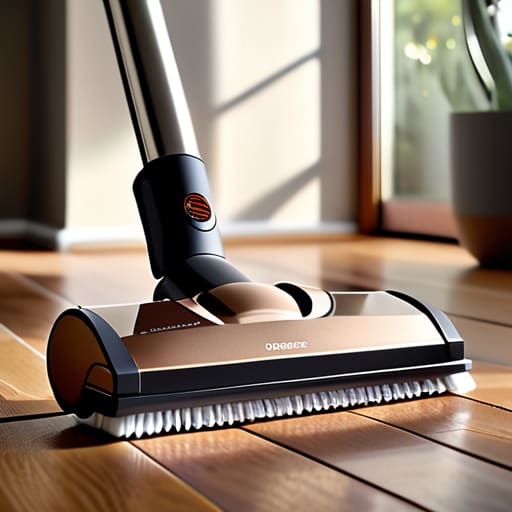
When I first started consulting, I realized many people weren’t struggling with a lack of willpower, but rather with the wrong gear. We often treat cleaning like a marathon, but if you use the wrong equipment, you’re essentially running in sand. To truly master effective cleaning tools for speed, you have to move away from the “one size fits all” mentality. I always recommend investing in high-quality, ergonomic tools—think a lightweight cordless vacuum or high-absorbency microfiber cloths—that reduce the physical friction of the task. When your tools work with you rather than against you, you stop fighting your environment and start flowing through it.
I’ve also found that the psychology of “visual noise” plays a massive role in how long a task takes. This is where decluttering for faster cleaning becomes your secret weapon. If your surfaces are buried under mail and trinkets, you aren’t just cleaning; you’re playing a high-stakes game of Tetris. By keeping a few versatile, multi-surface cleaners and a dedicated “reset basket” for stray items, you can transform a chaotic room into a serene space in half the time. It’s about working smarter, not harder.
The Psychology of Speed: 5 Strategies to Reclaim Your Time
- Stop the “Micro-Tasking” Trap: We often fall into the habit of jumping from the kitchen sink to a stray sock in the hallway, which kills our cognitive momentum. Instead, try “zone cleaning”—commit to one room and finish its core tasks before allowing your brain to wander to the next area. It keeps your focus sharp and your progress visible.
- Use the “Two-Minute Rule” for Instant Wins: If a cleaning task takes less than 120 seconds—like wiping down a mirror or putting a dish in the dishwasher—do it immediately. This prevents small chores from accumulating into an overwhelming mountain of “to-dos” that trigger anxiety later in the week.
- Harness the Power of “Temptation Bundling”: If you find cleaning a drag, pair it with something your brain loves. I personally only allow myself to listen to my favorite true-crime podcasts or a specific upbeat playlist while I’m tidying. It turns a chore into a dopamine-driven ritual.
- Set a Visual Timer to Gamify Your Focus: Much like the vintage hourglasses on my desk, a physical timer creates a healthy sense of urgency. Tell yourself you’ll blitz the living room for just 15 minutes. The ticking clock prevents perfectionism from creeping in and forces you to prioritize high-impact areas over trivial details.
- Declutter Before You Deep Clean: There is no point in scrubbing a surface that is buried under mail and knick-knacks. Spend five minutes clearing the “surface noise” first. By reducing the visual clutter, you’re not just cleaning faster; you’re creating a calmer mental environment that makes the actual cleaning feel much less taxing.
Finding Your Rhythm: The Core of Efficient Cleaning
Stop viewing cleaning as an endless marathon of chores; instead, treat it as a series of high-impact sprints that respect your mental energy and time.
Invest in tools that actually serve your workflow, because the right equipment isn’t just about speed—it’s about reducing the friction that leads to procrastination.
Use cleaning as a way to reclaim your space rather than just checking off a list, focusing on the areas that most significantly impact your ability to feel calm and productive.
The Psychology of the Quick Clean
“Cleaning shouldn’t be a marathon of exhaustion; it should be a series of intentional sprints that clear your physical space so your mind has the room to actually breathe.”
Ella Thompson
Reclaiming Your Time and Your Space
At the end of the day, cleaning faster isn’t about rushing through your chores like you’re running a marathon; it’s about being smarter with your energy. We’ve talked about how the right tools can act as extensions of your intent and how leveraging small bursts of momentum can prevent that dreaded burnout. By focusing on high-impact zones and using the psychological principles of habit stacking, you move away from the cycle of endless scrubbing and toward a system of intentional maintenance. Remember, the goal isn’t to spend your entire Saturday with a vacuum in hand, but to create a streamlined process that respects your time and your mental bandwidth.
As I sit here watching the sand slip through my vintage hourglass, I’m reminded that time is our most precious, non-renewable resource. Don’t let your domestic responsibilities consume the hours meant for your passions, your rest, or your loved ones. When you master the art of efficient cleaning, you aren’t just tidying a room; you are protecting your peace and carving out space for what truly matters. You deserve a home that supports your lifestyle rather than one that dictates it. So, take these strategies, find your own unique rhythm, and start living more intentionally starting today.
Frequently Asked Questions
How do I stop myself from getting distracted by "deep cleaning" a single drawer when I'm supposed to be doing a quick whole-house tidy?
Oh, I have been there—I once spent forty minutes color-coding my spice rack when I was actually supposed to be prepping for a client meeting! The trick is to recognize that “drawer rabbit hole” for what it is: a form of productive procrastination. When you feel that urge to dive deep, set a physical timer on your desk. Tell yourself, “I can organize this drawer after the house is tidy.” Use the tidy-up as your momentum builder, not your perfectionism trap.
Can you suggest a way to structure a cleaning routine that doesn't feel like a massive mental burden after a long workday?
I completely understand that “after-work paralysis.” When your brain is fried, a massive to-do list feels like a mountain you just can’t climb. Instead of a marathon, try the “Micro-Burst Method.” Set a vintage hourglass for just 15 minutes. Focus on one high-impact zone—like clearing the kitchen counters—and then stop. By shrinking the scope, you bypass that psychological resistance, building small wins that protect your peace rather than draining your remaining battery.
How can I involve my family or roommates in these efficiency hacks without it feeling like I'm just giving them a list of chores?
I’ve been there—turning into the “chore police” is the fastest way to spark resentment rather than rhythm. Instead of handing out a checklist, try reframing the conversation around shared mental space. I like to host a “ten-minute reset” where we all put on a high-energy playlist and tackle one zone together. When you frame it as a collective effort to reclaim our calm, it feels less like a demand and more like a team win.
