I was staring at my vintage hourglass last Tuesday, watching the sand trickle down, when it hit me: I was spending more time troubleshooting my “connected” lightbulbs than actually enjoying my evening. We’ve been sold this massive, expensive myth that building a smart home for beginners requires a futuristic command center and a degree in computer science. Honestly? Most of the tech hype out there is just digital noise designed to clutter your mental bandwidth rather than clear it. If a gadget doesn’t actively give you back your time or reduce your decision fatigue, it isn’t “smart”—it’s just another chore on your to-do list.
I’m not here to sell you on a lifestyle of endless notifications and redundant apps. Instead, I want to show you how to curate a space that actually supports your rhythm. My goal is to provide a practical, psychology-backed roadmap for setting up a smart home for beginners that focuses on intentionality over complexity. We are going to strip away the fluff and identify the specific tools that automate the mundane, so you can stop managing your house and start living your life.
Table of Contents
- Finding Your Best Smart Home Starter Kit
- Prioritizing Smart Home Security for Beginners
- Protecting Your Mental Bandwidth: 5 Ways to Keep Your Smart Home Stress-Free
- Making Tech Work for Your Mental Well-being
- The Psychology of a Seamless Space
- Designing Your Intentional Space
- Frequently Asked Questions
Finding Your Best Smart Home Starter Kit
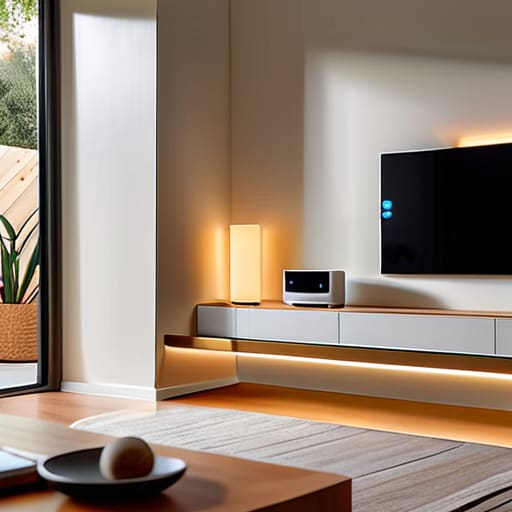
When I first started experimenting with home automation, I made the classic mistake of buying every shiny new gadget that crossed my path. I ended up with a drawer full of devices that refused to talk to one another, which was the exact opposite of the mental clarity I was seeking. To avoid this friction, your first priority should be checking for smart home ecosystem compatibility. Before you click “buy,” decide whether you want your digital life to revolve around Alexa, Google, or Apple. Choosing a cohesive ecosystem ensures that your devices act as a unified team rather than a chaotic collection of solo performers.
Once you’ve picked your lane, I recommend looking for the best smart home starter kit that focuses on your specific “pain points.” If your goal is to reduce morning decision fatigue, prioritize automating home lighting and temperature so your environment adjusts to your circadian rhythm without you lifting a finger. I personally love starting with a single, reliable hub; it acts as the brain of your operation, keeping everything streamlined and predictable. Remember, we aren’t building a sci-fi movie set; we are building a support system for your well-being.
Prioritizing Smart Home Security for Beginners
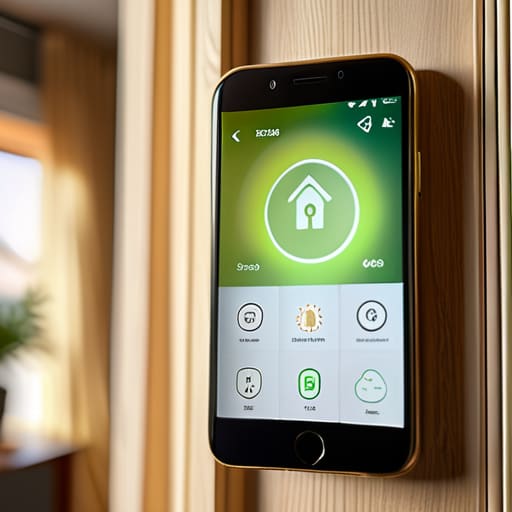
When we talk about optimizing our environments, we often focus on convenience, but true peace of mind comes from safety. For anyone diving into smart home security for beginners, it’s easy to feel overwhelmed by the sheer number of cameras and sensors on the market. I always tell my clients to start with the “why” before the “what.” Are you looking to monitor your front porch, or do you want to ensure your windows are locked while you’re at the office? By identifying your specific anxiety triggers, you can build a system that protects your mental bandwidth rather than adding more digital noise to your life.
The real secret to a seamless setup lies in smart home ecosystem compatibility. There is nothing more frustrating than buying a high-tech lock only to realize it won’t talk to your existing hub. To avoid this friction, I recommend choosing a single platform—like Apple HomeKit, Google Home, or Alexa—and sticking to it during your initial rollout. This ensures that when you’re automating home lighting and temperature to simulate presence while you’re away, everything works in perfect, stress-free harmony.
Protecting Your Mental Bandwidth: 5 Ways to Keep Your Smart Home Stress-Free
- Start with “Single-Purpose” wins. It’s tempting to overhaul your whole life at once, but I’ve found that picking one friction point—like a smart plug for your coffee maker or a single smart bulb for your bedside lamp—prevents the overwhelm that usually kills new habits.
- Audit your digital clutter before you buy. Just like I curate my bullet journals to avoid unnecessary pages, you should ensure every new device serves a genuine purpose in your routine rather than just adding another notification to your phone.
- Choose ecosystems, not just gadgets. To avoid the cognitive load of jumping between ten different apps, stick to one ecosystem (like Apple Home, Google, or Alexa) so your home feels like a cohesive rhythm rather than a chaotic collection of tech.
- Set boundaries with your automation. Automation should work for you, not the other way around; if a “smart” feature requires constant troubleshooting or manual overrides, it’s actually stealing your time instead of giving it back.
- Build in “Analog Moments.” I keep my vintage hourglasses to remind myself to unplug, and I suggest you do the same. Ensure your smart home setup allows for easy manual control so you can still enjoy a tech-free evening without feeling locked out of your own space.
Making Tech Work for Your Mental Well-being
Focus on “frictionless” automation—only invest in smart devices that actually remove a mental load from your plate rather than adding more notifications to manage.
Prioritize security as a foundation for peace of mind; a smart home only feels like a sanctuary if you can trust the privacy of your digital walls.
Build your ecosystem incrementally to avoid decision fatigue, choosing tools that integrate seamlessly into your existing daily rhythm.
The Psychology of a Seamless Space
“The goal of a smart home shouldn’t be to surround yourself with more gadgets to manage, but to curate a digital ecosystem that quietly removes the friction from your day, leaving you with more mental bandwidth for the things that actually move the needle.”
Ella Thompson
Designing Your Intentional Space

As we wrap up this journey into the world of smart technology, remember that the goal isn’t to own every shiny new gadget on the market. We’ve talked about selecting a starter kit that actually serves your specific lifestyle, and more importantly, we’ve prioritized the security measures necessary to keep your digital sanctuary safe. It’s easy to get lost in the “more is better” trap, but the real magic happens when you choose tools that reduce cognitive load rather than adding to it. By focusing on automation that handles the mundane—like dimming the lights when it’s time to wind down or setting a smart thermostat to optimize your sleep environment—you are essentially outsourcing your mental bandwidth to systems that work for you.
At the end of the day, your home should be a place that nourishes your soul, not a source of technological frustration. I often look at my collection of vintage hourglasses to remind myself that time is our most precious resource; don’t waste yours troubleshooting a device that was supposed to make your life easier. Use these smart tools to reclaim your time, create more space for mindfulness, and build a rhythm that feels uniquely yours. You aren’t just building a “smart home”; you are cultivating an environment that supports your highest potential. Go slow, stay intentional, and enjoy the peace you’re creating.
Frequently Asked Questions
Will adding all these smart devices actually make my daily routine more chaotic instead of more efficient?
It’s a valid fear, and honestly, it’s one I hear all the time. If you just buy gadgets for the sake of novelty, you’re essentially just adding more “digital noise” to your mental load. To avoid chaos, treat your smart home like a curated ritual rather than a tech dump. Only integrate devices that solve a specific friction point in your day. If a tool doesn’t actively protect your bandwidth, it’s just clutter.
How do I make sure all these different gadgets actually talk to each other without me spending hours troubleshooting?
The secret to avoiding a troubleshooting nightmare is picking a “language” before you buy. Think of it like choosing a single ecosystem—like Apple Home, Google Home, or Alexa. Before adding a new gadget, look for the “Matter” or “Thread” logo on the box. These are universal standards that ensure devices play nice together. By sticking to one primary hub, you’re building a cohesive rhythm rather than a chaotic collection of digital noise.
Is there a way to automate my home to reduce decision fatigue without breaking the bank?
Absolutely. I often tell my clients that decision fatigue is the silent killer of productivity. You don’t need a thousand-dollar setup to reclaim your mental bandwidth. Start small: a single smart plug for your coffee maker or a smart bulb that dims automatically at 9 PM. These tiny, low-cost automations remove those “micro-decisions” that drain your energy, allowing you to save your cognitive fuel for the things that actually move the needle.
