I was staring at a wilted, slimy bag of spinach last Tuesday, feeling that familiar pang of guilt, and I realized something: we’ve been lied to about kitchen efficiency. We’re told that mastering how to store food properly requires a suite of expensive, specialized vacuum sealers and a dozen different types of color-coded bins that look great on Instagram but add zero value to your actual life. It’s just more mental clutter masquerading as organization. I’ve spent years studying how our environments impact our decision-making, and honestly, the “perfect” kitchen setups often lead to more decision fatigue rather than less.
I’m not here to sell you a lifestyle overhaul or a new set of pricey gadgets. Instead, I want to share the streamlined, psychology-backed systems I use to keep my own kitchen running like a well-oiled machine. We are going to strip away the hype and focus on the high-impact habits that actually preserve your groceries and protect your mental bandwidth. You’ll learn how to master the essentials of food preservation so you can stop wasting money and start reclaiming your time for the things that truly matter.
Table of Contents
- Mastering Refrigerator Organization Tips for Mindful Living
- Preventing Food Spoilage Through Conscious Choices
- The Psychology of the Pantry: 5 Habits to Protect Your Mental Bandwidth
- The Intentional Pantry: Small Shifts for Maximum Mental Clarity
- The Psychology of the Pantry
- Finding Your Kitchen Rhythm
- Frequently Asked Questions
Mastering Refrigerator Organization Tips for Mindful Living
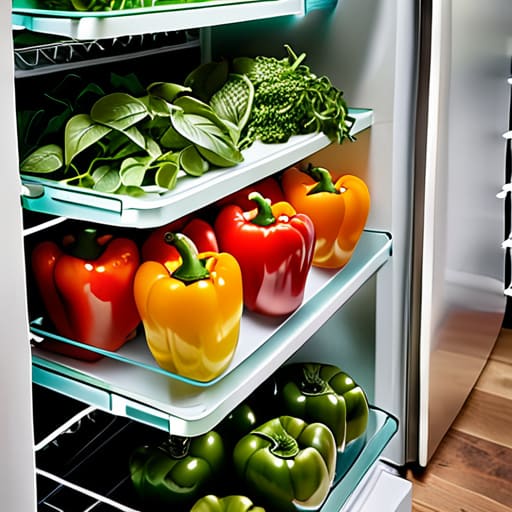
I’ve always found that a cluttered fridge is a direct reflection of a cluttered mind. When I open my refrigerator and see a chaotic pile of half-used jars and wilted greens, my mental bandwidth immediately shrinks. To combat this, I treat my fridge like a curated workspace. By implementing strategic refrigerator organization tips, such as grouping items by frequency of use, you aren’t just tidying up; you are actively reducing decision fatigue during those frantic weekday dinner rushes.
One of my favorite psychological hacks is the “First In, First Out” method. By placing newer groceries behind older ones, you create a visual cue that encourages you to use what you already have, which is essential for preventing food spoilage. I also swear by the airtight container benefits for leftovers; not only do they keep things fresh, but they also provide a sense of order that makes meal prepping feel less like a chore and more like a ritual. When everything has a designated home, you stop searching and start living with more intention.
Preventing Food Spoilage Through Conscious Choices
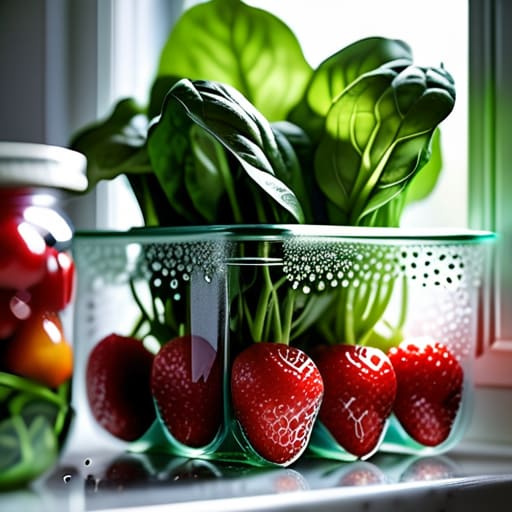
When I look at my kitchen, I don’t just see ingredients; I see potential energy and time. Every time we toss a bag of wilted spinach or a container of fuzzy berries, we aren’t just wasting money—we’re wasting the mental bandwidth we spent selecting and purchasing them. To truly master preventing food spoilage, we have to move past mindless consumption and start looking at our groceries through a lens of intentionality. It starts with understanding the unique needs of your produce; for instance, some greens thrive with a little moisture, while others will turn to mush if you don’t manage their environment.
I’ve found that investing in high-quality glass vessels is a total game-changer for my weekly routine. The airtight container benefits are massive, not just for keeping things fresh, but for creating a visual sense of order that calms my brain. When I can see exactly what I have through clear lids, I stop making those redundant, impulsive trips to the store. By treating our food with this level of respect, we aren’t just being “organized”—we are reclaiming our time and reducing the decision fatigue that often plagues our busy lives.
The Psychology of the Pantry: 5 Habits to Protect Your Mental Bandwidth
- Stop the “out of sight, out of mind” cycle by investing in clear, airtight glass containers; seeing exactly what you have reduces the decision fatigue that usually hits you at 6:00 PM when you’re too tired to cook.
- Treat your leafy greens like delicate investments—wrap them in damp paper towels before tucking them into reusable silicone bags to extend their life and prevent that soul-crushing moment of discovering a bag of slime in your crisper drawer.
- Master the “First In, First Out” method, a simple organizational trick I use in my own kitchen to ensure you’re always using the oldest ingredients first, effectively turning your pantry into a self-regulating system.
- Break the habit of storing everything in its original, bulky cardboard packaging; decanting dry goods like pasta and grains into uniform containers not only saves physical space but creates a sense of visual calm that makes meal prep feel less like a chore.
- Respect the “Ethylene Factor” by separating your high-emitters, like bananas and avocados, from your sensitive produce; it’s a small bit of biological mindfulness that prevents a single piece of fruit from sabotaging your entire vegetable haul.
The Intentional Pantry: Small Shifts for Maximum Mental Clarity
Stop viewing food storage as a chore and start seeing it as a way to protect your future mental bandwidth; when you know exactly where your ingredients are, you eliminate the decision fatigue that kills your productivity.
Treat your pantry like a curated system rather than a chaotic storage unit by grouping items by usage, which prevents the “hidden waste” cycle that drains both your finances and your energy.
Use mindful preservation techniques—like proper airtight sealing and rotation—to honor the resources you’ve invested in, turning a simple kitchen habit into a practice of intentionality and respect for your time.
The Psychology of the Pantry
“We often view food storage as a chore of maintenance, but I see it as a way to protect our mental bandwidth; when we master the art of preserving what we buy, we aren’t just saving groceries—we’re reclaiming the decision fatigue that comes with chaos and replacing it with the peace of an intentional home.”
Ella Thompson
Finding Your Kitchen Rhythm
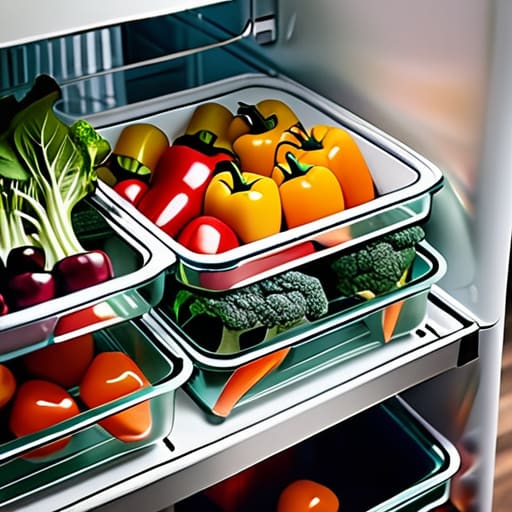
At the end of the day, mastering food storage isn’t just about keeping your produce crisp or your pantry organized; it’s about reclaiming the mental bandwidth that usually gets swallowed up by the “what’s for dinner?” panic. By implementing those refrigerator organization strategies and making more conscious choices about how you handle your groceries, you are effectively reducing the decision fatigue that plagues our busy lives. When you know exactly where your ingredients are and you trust that they will actually last until you need them, you stop reacting to chaos and start acting with intention. It’s about turning a mundane chore into a seamless system that supports your lifestyle rather than draining it.
I know that starting these new habits can feel like just another thing on an already overflowing to-do list, but I promise you, the payoff is worth the initial effort. Think of your kitchen as the engine room of your daily productivity; when it runs smoothly, everything else in your life feels a little more manageable. Remember, true efficiency isn’t about perfection or having a Pinterest-worthy pantry—it’s about creating a space that allows you to focus on what truly matters. Take it one container at a time, find your own unique rhythm, and watch how much more peace of mind you gain when you finally master your environment.
Frequently Asked Questions
How can I balance the desire for a perfectly organized pantry with the actual mental energy required to maintain it?
I’ve been there—staring at a Pinterest-perfect pantry and feeling completely paralyzed by the sheer mental load of maintaining it. Here’s the truth: don’t let the pursuit of aesthetic perfection become a source of decision fatigue. Instead of aiming for a museum-grade setup, focus on “functional zones.” Group items by how you actually use them. If a system feels like a chore, it’s too complex. Aim for ease, not perfection; your mental bandwidth is far more valuable than matching glass jars.
Are there specific psychological cues or visual hacks I can use to stop myself from letting produce wilt in the bottom drawer?
Honestly, I used to struggle with this too—the “crisper drawer abyss” is a real psychological trap. To combat it, try the “Visual Prime” hack: move your most perishable greens to a clear, elevated container right at eye level. When things are hidden in opaque drawers, our brains subconsciously deprioritize them. I also love using small, colorful clips to label produce with “Eat Me First” tags. It turns a chore into a visual cue that nudges your brain toward intentionality.
When I'm feeling overwhelmed by a busy week, what are the absolute non-negotiable food storage habits that will save me the most time and stress later?
When the week starts spiraling, I lean on two non-negotiables: the “prep-as-you-go” rule and the “visibility” principle. First, never put a grocery item away without portioning it; if I’m washing and chopping my greens the moment I shop, I’ve already won half the battle against midweek burnout. Second, use clear glass containers. If I can’t see my ingredients at a glance, they don’t exist to my brain, and that’s how decision fatigue turns into takeout orders.
