I remember standing in my tiny apartment years ago, staring at a shriveled, brown Fiddle Leaf Fig that felt like a personal indictment of my competence. I had followed every “expert” guide to the letter, buying expensive specialized fertilizers and fancy moisture meters, yet I still couldn’t figure out how to care for houseplants without feeling like I was failing a final exam. It turns out, most of the advice out there is just noise—overcomplicated rituals designed to sell you more gadgets rather than helping you understand the actual biology of your plants.
I’m not here to give you a laundry list of expensive products or impossible schedules that will only add to your mental load. Instead, I want to help you find a sustainable rhythm that integrates seamlessly into your existing life. We’re going to strip away the hype and focus on the psychological cues and simple, consistent habits that actually work. My goal is to show you that mastering how to care for houseplants isn’t about being a perfect gardener; it’s about intentionality and learning to observe the quiet signals your green companions are sending you.
Table of Contents
Decoding Indoor Plant Light Requirements for Growth
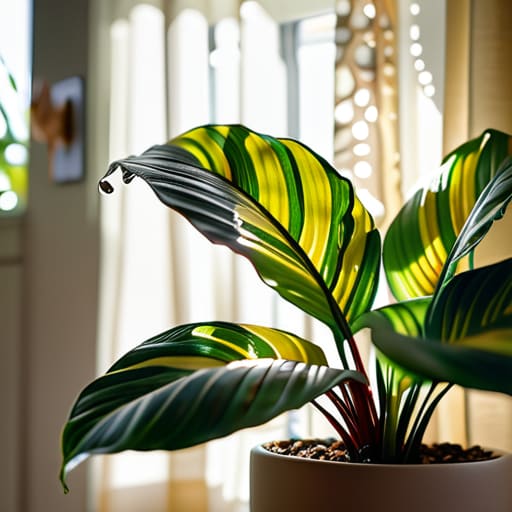
I remember my first attempt at building an indoor jungle; I bought a gorgeous Calathea because it looked stunning in my living room, only to watch it slowly wither away. My mistake wasn’t a lack of love, but a lack of understanding regarding indoor plant light requirements. We often treat light as a secondary thought, but in the psychology of plant growth, light is the primary fuel for their biological rhythms. Just as we need the right environment to stay focused and productive, your plants need a specific balance of photons to thrive rather than just survive.
When you’re assessing your space, don’t just look at the brightness; look at the quality and duration of the light. A north-facing window offers that soft, indirect glow that many tropical varieties crave, whereas a south-facing window can be quite intense. If you find your leaves are scorching or turning pale, you might be pushing them too hard. Finding that “sweet spot” is a lot like finding your own peak productivity hours—it’s all about matching the energy of the environment to the specific needs of the individual.
Choosing the Best Soil for Houseplants to Flourish
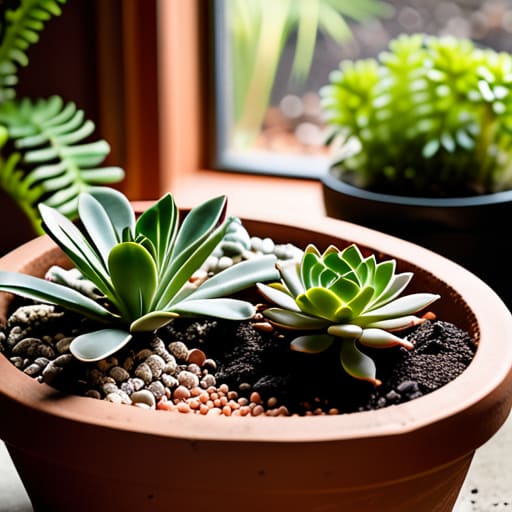
I used to think that all dirt was created equal, but my early attempts at indoor gardening taught me a humbling lesson: the wrong foundation can sabotage even the most diligent care routine. Just as I wouldn’t try to tackle a high-stakes consulting project without the right mental framework, you can’t expect your greenery to thrive in a generic, heavy potting mix. Finding the best soil for houseplants is really about understanding the specific “personality” of your plant. A succulent needs a gritty, fast-draining mix to prevent root rot, while a lush fern craves something that holds onto a bit more moisture to mimic its natural forest floor.
When you’re selecting a medium, think of it as creating an ecosystem rather than just filling a pot. If you’ve been struggling with stunted growth despite meeting all the indoor plant light requirements, the issue might actually be happening below the surface. I always recommend looking for mixes enriched with perlite or coco coir to ensure aeration. After all, when we optimize our environments—whether it’s our workspace or our living room—we’re setting the stage for sustainable, long-term success.
Mastering the Rhythm of Watering: Beyond the Surface
- Stop treating watering like a rigid, weekly chore on your calendar; instead, learn to listen to your plants by checking the soil moisture with your finger to see if they actually need a drink.
- Avoid the “more is better” trap by ensuring your pots have proper drainage, because even the most vibrant plant can’t thrive if its roots are sitting in stagnant water.
- Create a mindful ritual around your watering routine, using the moment to observe new leaves or subtle changes, which helps you catch potential issues before they become overwhelming stressors.
- Match your watering frequency to the seasons, recognizing that your plants’ metabolic rhythms naturally slow down in the winter and demand more attention during their spring growth spurt.
- Use room-temperature water to prevent shocking your plants’ systems, much like how a gentle transition in your own morning routine sets a much more stable tone for the day ahead.
Finding Your Greenery’s Rhythm: Key Lessons for Success
Stop treating plant care like a checklist; instead, observe your plants’ unique signals—like leaf color or drooping—to understand their specific light and soil needs.
Prioritize quality over quantity by investing in the right soil mix for each species, ensuring you’re building a foundation for long-term growth rather than just quick fixes.
Use your plant care routine as a mindful reset, transforming a simple chore into a deliberate moment of connection that nourishes both your indoor jungle and your own mental clarity.
Finding Your Green Rhythm
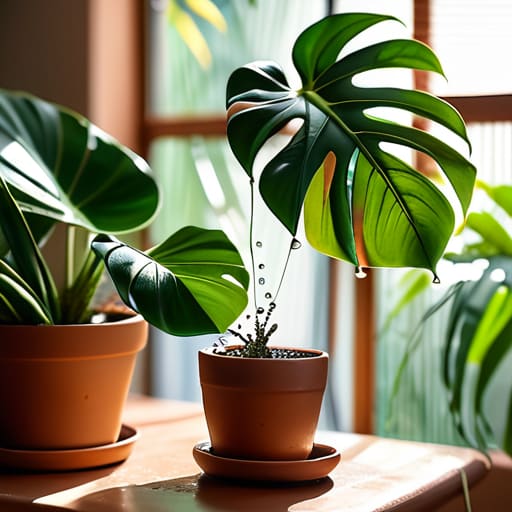
“Think of your houseplants not as another set of chores to check off a list, but as living mirrors of your own daily rhythms; when you learn to listen to their subtle cues, you aren’t just keeping them alive—you’re practicing the very art of intentionality.”
Ella Thompson
Finding Your Green Rhythm
As we wrap up our deep dive into plant care, remember that it isn’t about memorizing a rigid manual, but about understanding the fundamental needs of your leafy companions. We’ve explored how to decode the subtle language of light requirements and the importance of selecting the right soil to create a foundation for success. When you pair these technical elements with a bit of observation, you move away from the stress of “guessing” and toward a more intentional way of nurturing your indoor jungle. It’s all about building a sustainable system where your plants thrive and your maintenance routine feels like a seamless part of your day, rather than a daunting task on an endless to-do list.
Ultimately, I want you to view your houseplants as more than just decor; see them as partners in your journey toward a more mindful lifestyle. There will be moments when a leaf turns yellow or a plant seems to struggle, but don’t let that discourage you. Use those moments as opportunities to practice patience and reconnect with the natural rhythms of growth. When you find that sweet spot between structure and flexibility, you’ll realize that cultivating a garden is actually a way of cultivating yourself. So, grab your watering can, take a deep breath, and enjoy the quiet, rewarding process of watching life unfold right in your living room.
Frequently Asked Questions
How can I tell if I'm overwatering my plants versus just under-watering them?
It’s a common struggle—I used to treat my plants like a checklist rather than living things. To tell the difference, look at the leaves. Under-watering usually shows up as crispy, brown edges or drooping stems that perk up once hydrated. Over-watering is sneakier; you’ll see yellowing, mushy leaves and perhaps a funky smell from the soil. When in doubt, stick your finger an inch into the dirt. If it’s damp, step back and breathe.
What are some low-maintenance plant options if I struggle to keep a consistent routine?
I totally get it—some weeks my planner is a masterpiece, and other weeks, I can barely remember to grab a glass of water. If your routine feels a bit unpredictable, don’t stress. I always recommend starting with “forgiving” plants like Snake Plants or ZZ Plants. They thrive on a little neglect and don’t demand your constant attention, making them perfect companions when you need to focus on your own rhythm rather than a rigid watering schedule.
Are there specific ways to use plant care as a mindfulness practice to help reduce my daily stress?
Think of your plant care routine not as another chore on your to-do list, but as a scheduled moment of stillness. I love using my vintage hourglasses to time my pruning sessions; it forces me to slow down and actually observe. Instead of rushing through watering, try focusing entirely on the sensation of the soil or the way the leaves feel. By grounding yourself in these small, tactile rhythms, you turn maintenance into a meditative reset.
