I was sitting in a crowded cafe last Tuesday, watching a friend spend ten minutes agonizing over a complex editing app just to make a simple latte look “aesthetic,” and I had to laugh. We’ve been sold this massive lie that you need a thousand-dollar lens or a PhD in digital manipulation to capture a moment, but that’s just noise. The truth is, most people struggle with how to take better phone photos not because their hardware is lacking, but because they are overcomplicating the process and losing the soul of the subject. We get so caught up in the technical perfection that we forget we’re actually trying to tell a story.
I’m not here to give you a lecture on aperture or a list of expensive gear you don’t need. Instead, I want to share the psychological shifts and simple, intentional habits that actually move the needle. I’ll show you how to strip away the digital clutter and focus on what truly matters: light, composition, and presence. By the end of this, you won’t just know the technical hacks for how to take better phone photos; you’ll have a sustainable way to capture your world without the stress.
Table of Contents
- Mastering Smartphone Camera Composition Rules for Meaningful Moments
- Improving Smartphone Image Quality Through Mindful Observation
- Beyond the Lens: 5 Mindful Habits for Better Imagery
- Finding Your Focus: Beyond the Technicalities
- ## Beyond the Snapshot
- Finding Your Rhythm Behind the Lens
- Frequently Asked Questions
Mastering Smartphone Camera Composition Rules for Meaningful Moments

When I first started experimenting with my phone camera, I used to just point and shoot, hoping for the best. But I quickly realized that the difference between a cluttered snapshot and a soulful image lies in how you frame your world. One of my favorite smartphone camera composition rules is the Rule of Thirds. Instead of centering your subject like a default setting, try placing them along those imaginary grid lines. This small shift creates a sense of movement and tension that draws the eye in, making the moment feel much more intentional and alive.
I also love playing with depth to tell a better story. If you’re trying to capture a candid moment of a friend laughing or a quiet morning coffee, try using portrait mode effectively to soften the background. By blurring out those distracting elements in the rear, you’re essentially telling the viewer exactly where to look. It’s not about having the most expensive gear; it’s about using the tools you have to highlight what truly matters in the frame. When you master these basics, you stop just capturing images and start composing memories.
Improving Smartphone Image Quality Through Mindful Observation
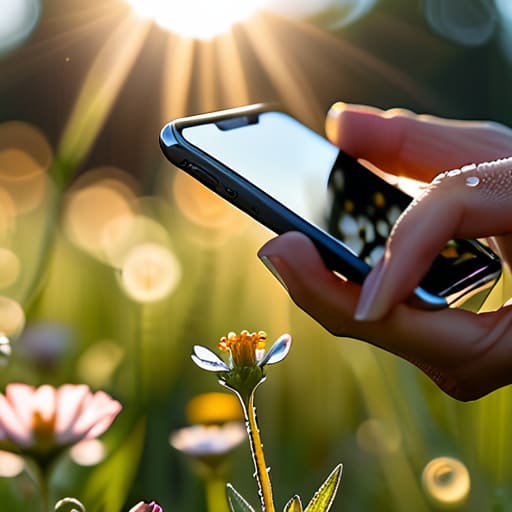
I’ve often found that when I reach for my phone to snap a quick picture, I’m usually rushing—trying to capture a fleeting moment before it disappears. But as someone who obsesses over the rhythm of daily life, I’ve learned that the best way of improving smartphone image quality isn’t actually about upgrading your hardware; it’s about slowing down. Before you even touch the shutter button, I want you to take a breath and really look at your subject. Where is the light coming from? How does the texture of the surface feel? When we approach photography with intention rather than impulse, we stop merely “taking” pictures and start actually seeing them.
This shift in perspective changes how you interact with your device. Instead of relying on auto-everything, try experimenting with different mobile photography lighting techniques, like seeking out the soft, golden glow of a window rather than the harsh glare of overhead bulbs. When you treat the process as a mindful exercise, you’ll find that you aren’t just chasing a clear shot; you’re capturing the essence of the moment. It’s about being present enough to notice the small, beautiful details that a frantic click would always miss.
Beyond the Lens: 5 Mindful Habits for Better Imagery
- Clean your lens before you even think about snapping a shot. It sounds trivial, but a quick wipe with your shirt can instantly remove that hazy, dreamlike smudge caused by fingerprints, bringing your focus back to the crisp reality of the moment.
- Stop the digital zoom madness. When we pinch to zoom, we’re often just stretching pixels and losing the soul of the image; instead, use your feet to move closer to the subject to maintain that beautiful, natural clarity.
- Chase the light, not just the subject. I’ve learned that the most stunning photos happen when you stop fighting the shadows and start looking for how the golden hour light wraps around an object, turning a mundane corner into something poetic.
- Find your steady rhythm. Much like how I use my vintage hourglasses to ground myself, try to find a physical anchor for your phone—a table edge or a steady grip—to prevent those micro-jitters that turn a meaningful memory into a blurry mess.
- Curate your shots rather than hoarding them. Don’t fall into the trap of clicking twenty versions of the same thing; take one intentional photo, breathe, and move on, ensuring you’re actually experiencing the scene rather than just documenting it.
Finding Your Focus: Beyond the Technicalities
Remember that a great photo isn’t about having the latest hardware; it’s about the intentionality you bring to the frame and how you choose to see the world.
Use your camera as a tool for mindfulness rather than a distraction, letting the process of capturing a moment ground you in the present.
Prioritize the emotional resonance of a shot over perfection, because a slightly blurry photo of a real connection is always better than a sterile, perfectly composed one.
## Beyond the Snapshot
“A great photo isn’t about the megapixels in your pocket; it’s about the intentionality in your eyes. Stop chasing the perfect technical shot and start looking for the rhythm of the moment—because when you capture the feeling instead of just the subject, you’re actually preserving a memory.”
Ella Thompson
Finding Your Rhythm Behind the Lens
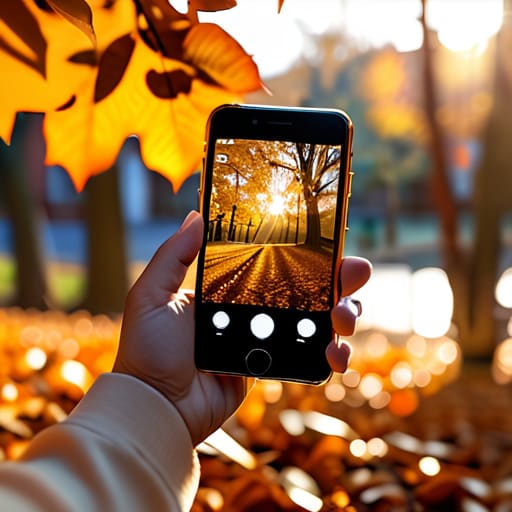
As we wrap up our journey into intentional photography, I want you to remember that technical perfection is rarely the goal. We’ve explored how mastering composition isn’t just about following rigid rules, but about guiding the viewer’s eye to what actually matters. We’ve also discussed how slowing down to observe light and shadow can transform a mediocre snapshot into a moment of genuine connection. By applying these psychological shifts—moving from mindless clicking to mindful observation—you aren’t just taking pictures; you are documenting your unique way of seeing the world.
At the end of the day, your phone is simply a tool to help you capture the essence of your life. Don’t let the pursuit of the “perfect” shot distract you from the beauty of the present moment. I often find that when I stop obsessing over my settings and instead focus on the feeling of the atmosphere, my best photos emerge naturally. So, put down the technical checklists every once in a while, breathe, and just look. Your goal shouldn’t be to create a gallery of flawless images, but to build a meaningful visual diary that honors your own personal rhythm and truth.
Frequently Asked Questions
How can I stop myself from constantly checking the screen and actually stay present while I'm trying to capture a moment?
I used to be guilty of this too—constantly staring at my screen to “check” the shot instead of actually living it. My advice? Try the “One-and-Done” rule. Once you’ve captured the frame, physically tuck your phone away. I even use my vintage hourglass to remind myself that a moment is fleeting. Don’t let the digital version of your life rob you of the real one. Focus on the feeling, not just the pixels.
Are there specific apps or subtle setting tweaks that help me edit my photos without losing that authentic, natural feeling?
I’ve always felt that over-editing is the quickest way to lose the soul of a moment. To keep things authentic, I steer clear of heavy filters and instead use Lightroom Mobile for subtle, intentional tweaks. I find that slightly adjusting the “Warmth” or playing with “Shadows” preserves the mood without making it look artificial. My golden rule? If you can tell it’s been edited, you’ve gone too far. Keep it raw, keep it real.
When I'm feeling overwhelmed by a busy environment, how can I quickly find a sense of focus to snap a single, intentional shot?
When the chaos around you starts to feel deafening, I find it helpful to lean into a quick grounding technique. I often reach for one of my vintage hourglasses to remind myself that time is fluid, not a predator. For your photography, try the “one-subject rule”: ignore the noise and pick just one thing—a sliver of light, a texture, or a single person. By narrowing your psychological focus to one element, you transform the overwhelm into intentionality.
