I used to think that a truly “productive” kitchen required a fleet of high-tech gadgets and a perfectly color-coded pantry that looked more like a museum than a workspace. But after years of studying human behavior and managing my own chaotic city life, I’ve realized that most of those expensive, trendy kitchen tips and tricks are actually just mental clutter in disguise. We’ve been sold this lie that efficiency comes from buying more stuff, when in reality, a cluttered countertop is just a physical manifestation of a cluttered mind.
I’m not here to sell you on a new air fryer or a complicated organizational system that takes three hours to maintain. Instead, I want to share the psychological shifts and streamlined habits that actually work when life gets messy. My goal is to give you honest, experience-based strategies to help you reclaim your space and your time. We are going to focus on intentional movement and simplifying your environment so that cooking feels less like a chore on your to-do list and more like a mindful ritual that actually fuels your day.
Table of Contents
- Mastering Knife Skills for Beginners to Reclaim Your Time
- Culinary Time Saving Methods That Honor Your Energy
- Designing Your Kitchen Ecosystem for Flow and Focus
- Embracing the Kitchen Ritual: My Top Three Lessons
- The Psychology of a Productive Kitchen
- Creating Your Own Culinary Rhythm
- Frequently Asked Questions
Mastering Knife Skills for Beginners to Reclaim Your Time
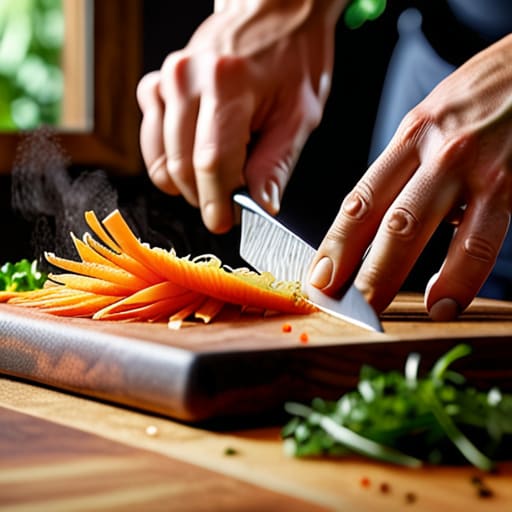
I remember my first attempt at a Sunday meal prep; I spent three hours just dicing onions and carrots, feeling completely defeated by the sheer friction of the task. I realized then that my lack of technique was sabotaging my entire week. Investing time in learning basic knife skills for beginners isn’t just about avoiding a finger nick—it’s about reducing the mental and physical drag of cooking. When you master a proper grip and consistent slicing, you transform a tedious chore into a rhythmic, almost meditative process.
Think of your knife as the primary tool in your productivity toolkit. If it’s dull, you’re working twice as hard for half the results, which is the ultimate drain on your energy. Prioritizing regular kitchen tool maintenance ensures that your prep work flows seamlessly, allowing you to hit that sweet spot of flow state. By refining these fundamental movements, you aren’t just cutting vegetables; you are building meal prep efficiency that buys you back precious minutes of relaxation every single evening.
Culinary Time Saving Methods That Honor Your Energy
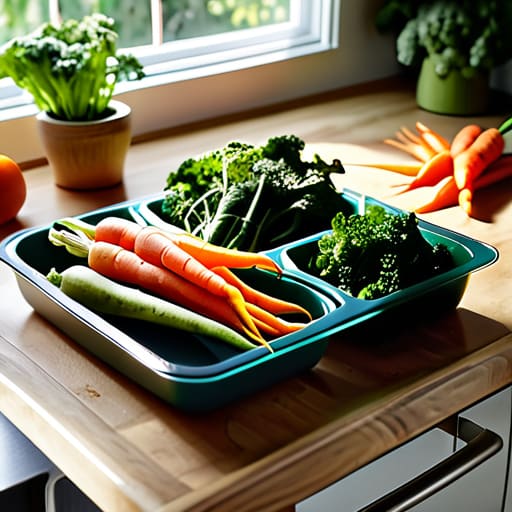
We often fall into the trap of thinking that “saving time” means rushing through a recipe, but as someone who studies the psychology of habits, I know that frantic energy actually leads to more mistakes and mental fatigue. Instead of sprinting through dinner, I advocate for meal prep efficiency that works with your natural circadian rhythms. If you’re a morning person, try chopping your vegetables or prepping your grains when your cognitive load is low. By front-loading these small tasks, you aren’t just saving minutes later in the week; you are protecting your mental bandwidth for when you’re actually hungry and ready to enjoy the process.
Another way to honor your energy is by refining your kitchen organization ideas to minimize “micro-frustrations.” There is nothing more draining than digging through a cluttered drawer for a whisk while your sauce begins to scorch. When your tools are intuitively placed and your workspace is clear, you reduce the decision fatigue that often leads to takeout orders. Think of your kitchen not as a chore zone, but as a curated environment designed to support your flow.
Designing Your Kitchen Ecosystem for Flow and Focus
- Stop the “countertop shuffle” by implementing a strict zone-based organization; when every spice and spatula has a psychological “home,” you eliminate the micro-decisions that drain your mental energy before you even turn on the stove.
- Treat your meal prep like a ritual rather than a chore by batch-processing aromatics—onions, garlic, and ginger—at the start of your week to bypass the friction of prep work during your busiest evenings.
- Audit your utensil drawer with the same scrutiny I use for my planners; if you haven’t reached for that specialty gadget in three months, it’s just visual noise that disrupts your kitchen’s natural rhythm.
- Leverage the “clean-as-you-go” principle as a mindfulness practice, using the quiet moments while water boils or onions sauté to reset your space, ensuring the kitchen remains a sanctuary rather than a source of post-meal dread.
- Optimize your mise en place by prepping all ingredients into small bowls before you touch a pan; this prevents the frantic, cortisol-spiking scramble that happens when you’re trying to chop while something is already sizzling.
Embracing the Kitchen Ritual: My Top Three Lessons
Stop viewing meal prep as a chore to be conquered and start seeing it as a way to protect your future self; when you prepare with intention, you’re actually gifting yourself peace of mind for the rest of the week.
Efficiency isn’t about rushing; it’s about removing the friction. By organizing your tools and mastering your basics, you reduce the cognitive load that makes cooking feel so overwhelming.
Listen to your energy, not just the clock. True productivity in the kitchen means knowing when to dive into a complex recipe and when to lean into simple, nourishing meals that respect your mental bandwidth.
The Psychology of a Productive Kitchen
“A kitchen shouldn’t be a battlefield of clutter and chaos; when we design our culinary spaces to reduce decision fatigue, we aren’t just saving minutes—we’re reclaiming the mental energy needed to actually enjoy the nourishment we create.”
Ella Thompson
Creating Your Own Culinary Rhythm
As we wrap up our deep dive into optimizing your kitchen, remember that these aren’t just “hacks”—they are psychological shifts in how you approach your most essential daily ritual. By mastering those fundamental knife skills, you’re not just cutting faster; you’re reducing the friction that leads to decision fatigue. When you implement energy-honoring time-saving methods, you aren’t cutting corners; you are protecting your mental bandwidth so you don’t end the evening feeling depleted. Whether it’s prepping in batches or organizing your workspace to minimize movement, the goal is to eliminate the unnecessary noise so the act of nourishment becomes seamless rather than a chore.
At the end of the day, your kitchen should be a sanctuary, not a source of stress. I often turn to my vintage hourglasses when I feel the chaos of a messy countertop starting to weigh on my mind, reminding myself that productivity is about intention, not speed. Don’t feel pressured to overhaul your entire routine overnight; instead, pick one small ritual to refine this week. You deserve a kitchen environment that supports your goals and honors your well-being. Remember, you aren’t just preparing food; you are curating a lifestyle that allows you to thrive both in and out of the kitchen.
Frequently Asked Questions
How can I organize my pantry to reduce the mental fatigue of deciding what to cook every night?
The secret to ending that “what’s for dinner?” dread isn’t just tidying up; it’s about reducing decision fatigue. I love using clear, labeled bins to categorize ingredients by “use case”—like a dedicated pasta night bin or a quick grain station. When your pantry is mapped out visually, you stop scanning every shelf and start seeing possibilities. By curating your space to reflect your most frequent meals, you turn cooking from a mental chore into a seamless ritual.
Are there specific kitchen tools that are actually worth the investment for someone trying to streamline their routine?
Don’t let the gadget aisle overwhelm you; most of those single-use tools are just mental clutter in disguise. If you want to truly streamline, invest in high-quality essentials that reduce friction. A heavy-duty chef’s knife, a reliable instant-read thermometer, and a sturdy microplane are game-changers. These tools simplify the process, allowing you to move through recipes with intention rather than frustration. Focus on quality over quantity—fewer, better tools create a much calmer kitchen rhythm.
How do I balance the desire for organized, aesthetic kitchen spaces with the practical need for high-speed meal prep?
I completely hear you—it’s that classic tension between the “Pinterest-perfect” kitchen and the messy reality of a Tuesday night dinner rush. I’ve found that the secret lies in “functional aesthetics.” Don’t hide everything in deep cabinets; instead, use beautiful, open storage for your most-used tools. If you love the look of glass canisters, use them for your daily staples. When your most essential items are both beautiful and within arm’s reach, your environment supports your flow rather than fighting it.
